
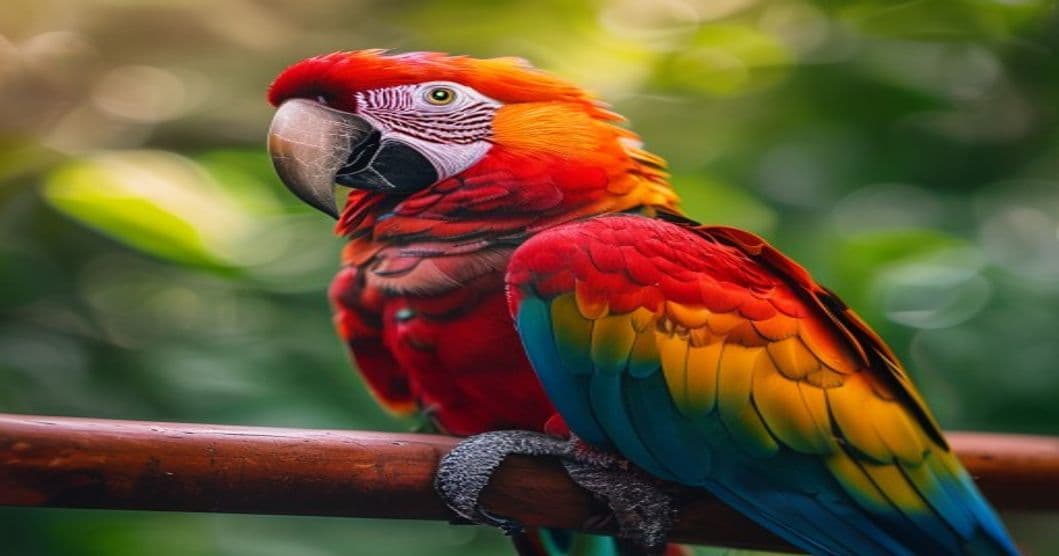
Why African Greys Demand a Higher Level of Health Awareness
African grey parrots are considered one of the most intelligent birds kept as companions, but their complexity extends beyond cognition. Veterinary data consistently shows that African greys are disproportionately susceptible to certain health conditions — particularly fungal infections, viral diseases, and nutritional deficiencies. A seed-only diet, a stressful environment, or a single gap in biosecurity can set the stage for serious illness. Understanding the three conditions covered here — aspergillosis, psittacine beak and feather disease, and vitamin A deficiency — is essential for anyone responsible for an African grey's care.
Aspergillosis
Aspergillosis is a fungal infection caused by Aspergillus fumigatus, a mould found widely in the environment. While healthy birds encounter this fungus routinely without ill effect, African greys are notably prone to developing clinical disease, particularly when their immune system is compromised by poor nutrition, chronic stress, or concurrent illness.
Forms of the Disease
Aspergillosis can present in two main forms. The acute form progresses rapidly and is often fatal without immediate intervention. The chronic form develops slowly over weeks or months, making it harder to detect. Chronic aspergillosis most commonly affects the respiratory tract, particularly the air sacs and lungs. Symptoms include:
- Changes in voice or vocalisation
- Tail bobbing or laboured breathing
- Exercise intolerance — the bird tires quickly or avoids climbing
- Weight loss and reduced appetite
- In advanced cases, neurological signs if the infection spreads
Diagnosis and Treatment
Diagnosis typically requires radiography, endoscopy, and fungal culture. Blood tests may show elevated white cell counts and specific protein markers. Treatment involves prolonged courses of antifungal medication — often voriconazole or itraconazole — and may last several months. Prognosis depends heavily on how advanced the infection is at the time of diagnosis. Minimising environmental risk by avoiding damp substrates, mouldy food, and poor ventilation is critical for prevention.
Psittacine Beak and Feather Disease
Psittacine beak and feather disease (PBFD) is caused by a circovirus and is one of the most serious viral diseases affecting parrots worldwide. It is highly contagious among birds and has no cure. African greys are among the susceptible species, and the impact on affected individuals can be devastating.
Recognising PBFD
The virus attacks cells responsible for feather and beak development. In chronic cases, birds progressively lose feathers — often starting with the powder down feathers, which are particularly important in African greys. The beak may become deformed, brittle, or overgrown. Affected feathers often appear abnormal when they regrow: short, clubbed, or with retained sheaths. Immune suppression caused by the virus also leaves birds vulnerable to secondary infections. In peracute cases — most often seen in young birds — death can occur before obvious feather changes develop.
Testing, Containment and Care
PBFD is diagnosed through PCR testing of feather or blood samples. Any newly acquired African grey should be tested and quarantined for a minimum of 90 days before contact with other psittacines. There is no antiviral treatment for PBFD. Management focuses on supportive care — excellent nutrition, stress reduction, and prompt treatment of secondary infections — to maintain quality of life for as long as possible. Infected birds should not be introduced to collections containing uninfected parrots.
Vitamin A Deficiency
Vitamin A deficiency is arguably the most preventable serious condition in African greys, yet it remains extremely common. The reason is simple: many grey parrots are fed seed-based diets, and seeds are almost entirely devoid of vitamin A or its precursor, beta-carotene.
Why African Greys Are Particularly Vulnerable
African greys have a higher dietary requirement for vitamin A than many other parrot species, and they also have a known tendency towards lower blood calcium levels, which can compound nutritional problems. Chronic vitamin A deficiency leads to changes in the mucous membranes throughout the body, increasing susceptibility to respiratory, digestive, and reproductive infections.
Signs and Consequences
Early vitamin A deficiency may not produce obvious symptoms. As deficiency progresses, clinical signs can include:
- Recurrent respiratory infections or nasal discharge
- White plaques or blunted choanal papillae in the mouth
- Conjunctivitis and eye discharge
- Poor feather condition
- Kidney problems in long-standing cases
Dietary Correction
The most effective strategy is transitioning your African grey to a high-quality pelleted diet as the dietary base — most reputable pellets are formulated to meet vitamin A requirements. Supplementing with fresh vegetables rich in beta-carotene is also beneficial: sweet potato, carrot, butternut squash, and dark leafy greens such as kale and spinach are excellent choices. Supplementing vitamin A directly in high doses can lead to toxicity, so dietary correction is safer than supplementation unless directed by a vet following blood analysis.
Proactive Health Management for African Greys
Given the range and seriousness of conditions that can affect African greys, a reactive approach to health care is not sufficient. These birds should receive:
- An annual full health screening with an avian vet experienced in parrots
- Baseline bloodwork to assess organ function and nutritional status
- PBFD and Chlamydia testing for any newly acquired bird
- A diet built around quality pellets, supplemented with varied fresh produce
- A low-stress environment with predictable routines and adequate sleep
African greys can live for 50 years or more in captivity. That longevity is only achievable with consistent, informed care. Always consult an avian vet for any signs of illness — in a bird this intelligent and this sensitive, early intervention makes all the difference.