
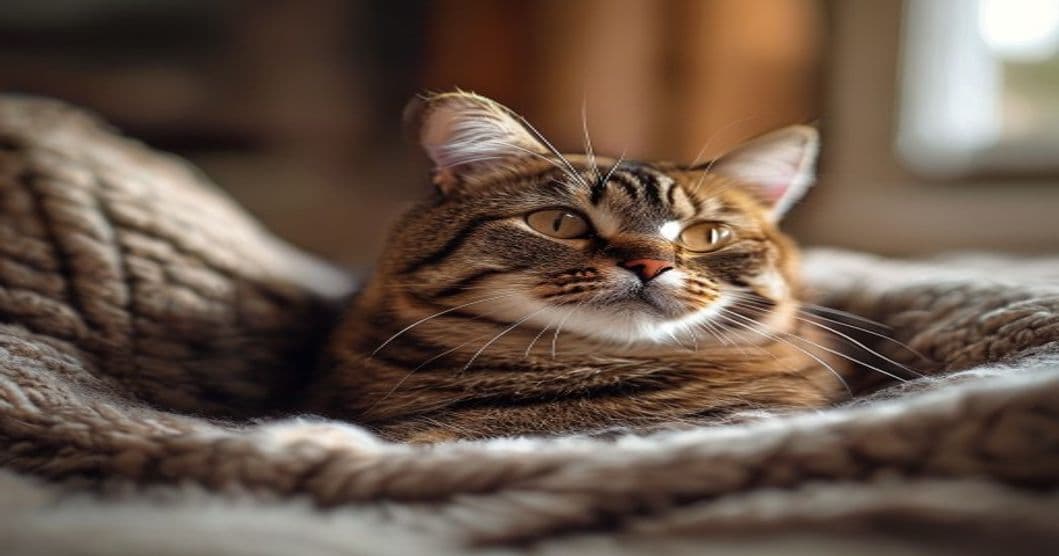
Cats Are Not Small Dogs — And Their Anxiety Responds Differently
Feline anxiety is frequently underdiagnosed, partly because cats tend to withdraw rather than vocalise distress. Studies estimate that stress-related conditions affect a significant proportion of domestic cats, particularly those in multi-pet households or environments with frequent change. The market for calming supplements has expanded accordingly, but the evidence base for cats is even thinner than for dogs. Here is what the research actually supports.
Understanding Feline Stress Before Reaching for Supplements
Cats experience anxiety from a range of triggers: new people, changes in routine, travel, veterinary visits, the presence of other animals, and even changes in furniture arrangement. Before considering any supplement, it is worth identifying the specific stressor and assessing whether environmental modification — providing more vertical space, consistent routines, and quiet refuges — might address the root cause. Supplements work best as part of a wider management strategy, not in isolation.
For moderate to severe anxiety, or when stress manifests as inappropriate elimination, aggression, or excessive grooming, always seek veterinary guidance before self-managing with supplements.
L-Theanine: The Best-Supported Option
L-Theanine, the calming amino acid found in tea leaves, has more published feline-specific research behind it than most natural competitors. A randomised, placebo-controlled study published in the Journal of Feline Medicine and Surgery demonstrated statistically significant reductions in anxiety-related behaviours in cats given L-Theanine over a four-week period. Cats showed reduced hiding, reduced vocalisation, and improved social engagement.
The mechanism involves modulation of glutamate neurotransmission and enhancement of alpha wave brain activity — promoting a state of relaxed alertness without drowsiness. It has a strong safety profile and is well-tolerated in cats at typical supplemental doses. For cats with mild chronic anxiety or situational stress, it represents the most evidence-backed natural option currently available.
Zylkene: Milk Protein Hydrolysate with Clinical Backing
Zylkene is one of the most researched non-pharmaceutical calming supplements available for cats. Its active compound, alpha-S1 tryptic casein hydrolysate, is derived from a naturally occurring milk protein. The mechanism involves GABA receptor modulation — reducing neuronal excitability in a manner loosely analogous to prescription anxiolytics, but far milder in effect.
Multiple clinical studies, including several specifically conducted in cats, have shown reductions in anxiety scores in response to transitional stressors such as moving home, new animal introductions, and hospitalisation. It is given orally, typically in capsule form sprinkled over food, and is generally well-accepted by cats. It is not sedating and does not impair cognitive function.
The evidence is particularly strong for acute situational anxiety. For chronic anxiety, results are more variable, but it remains a reasonable and low-risk intervention when started seven to ten days before an anticipated stressor.
Valerian: Popular but Poorly Evidenced in Cats
Valerian root features in many cat calming products and sprays, partly because cats appear to find its scent stimulating — an effect sometimes confused with a calming action. The active compounds, valerenic acid and isovaleric acid, do interact with GABA-A receptors in laboratory settings, but controlled trials demonstrating anxiolytic effects specifically in cats are largely absent from the peer-reviewed literature.
Some formulations use valerian topically in sprays intended to attract cats to specific areas or carriers. In this context, the stimulant response can reduce avoidance behaviour — which may be helpful for carrier training. However, this is distinct from managing anxiety, and the distinction matters clinically.
Pheromone Products: Not a Supplement, But Noteworthy
Any evidence-based review of feline calming interventions should mention Feliway, a synthetic analogue of the feline facial pheromone. It does not fall under the supplement category, but it has more robust clinical evidence than most ingestible natural products and is often worth combining with oral supplements for situational stress. It is available as a diffuser, spray, and collar.
What to Consider When Choosing a Supplement for Your Cat
- Identify the trigger and duration of anxiety — acute situational stress responds differently to chronic background anxiety.
- L-Theanine and Zylkene currently have the strongest evidence bases for cats and represent a sensible starting point.
- Start supplements at least a week before anticipated stressors for best effect.
- Avoid multi-ingredient products where possible, as they make it difficult to identify what is helping or causing adverse effects.
- Monitor for gastrointestinal upset, changes in appetite, or unusual lethargy.
- If anxiety is significantly disrupting your cat's quality of life, ask your vet about prescription options such as gabapentin or short-term anxiolytics alongside behaviour modification.
Natural supplements occupy a legitimate space in feline anxiety management, but they are most effective when chosen on the basis of evidence rather than marketing claims, and when integrated into a broader plan that addresses environmental and behavioural factors.