
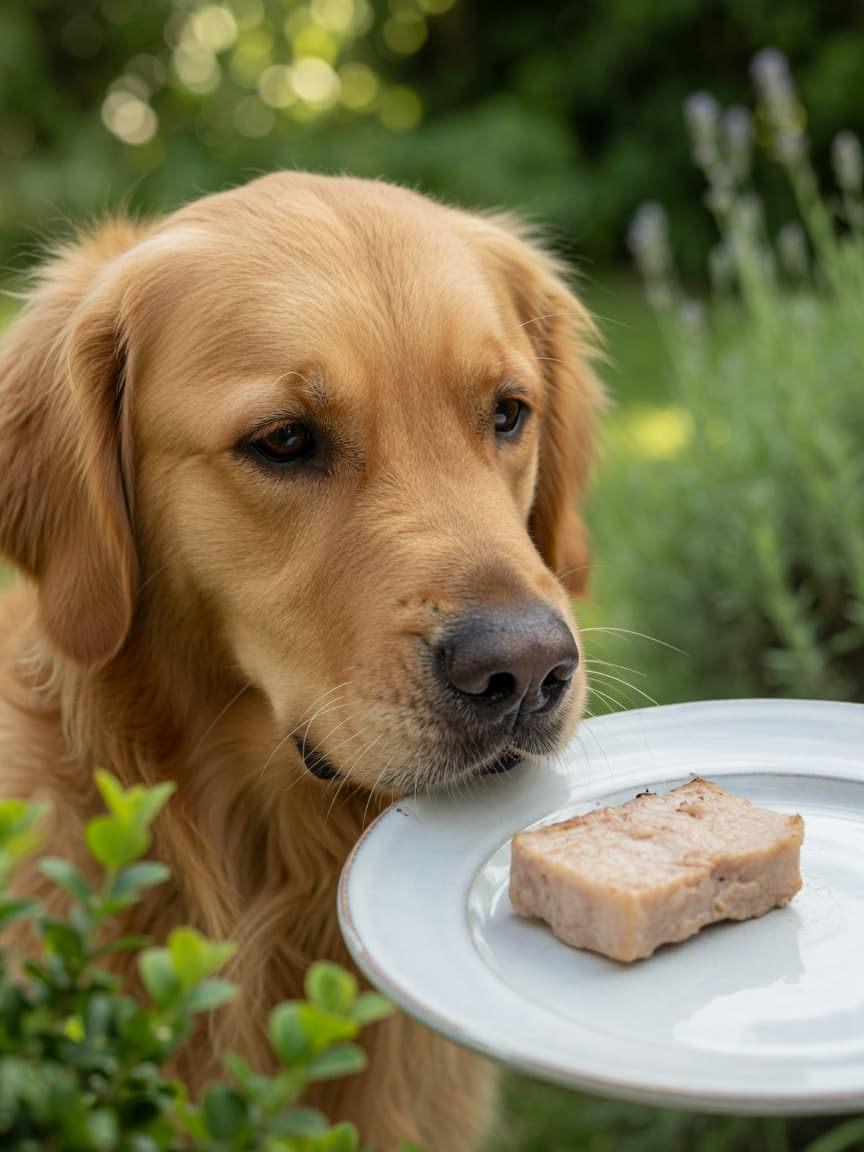
Can Dogs Eat Pork?
The short answer is: yes, dogs can eat pork, but it requires caution. While plain, cooked pork can be safe in small amounts, there are several important risks to understand before offering it to your dog. Many owners assume pork is a straightforward protein choice, but the way it's prepared, the quantity given, and your individual dog's health status all play a crucial role in whether it's appropriate.
Why Pork Requires Caution
Pork is naturally high in fat. When dogs consume fatty foods, they risk developing pancreatitis—inflammation of the pancreas that can cause vomiting, abdominal pain, diarrhoea, and lethargy. This condition can be acute (sudden) or chronic (ongoing), and severe cases may require emergency veterinary care. Dogs with a history of pancreatitis, obesity, or certain metabolic conditions are particularly vulnerable.
Raw or undercooked pork poses a bacterial risk. It may contain parasites and pathogens, including Salmonella and Trichinella, which can cause serious gastrointestinal illness in dogs and potentially spread to your household.
Processed pork products—bacon, sausages, ham, and deli meats—are heavily salted and often contain preservatives, seasonings, and nitrates that are unsafe for dogs. High sodium intake can lead to excessive thirst, urination, salt poisoning in severe cases, and long-term health problems. Garlic and onion powder, common in seasoned pork products, are toxic to dogs and can damage red blood cells.
Pork bones, particularly cooked ones, are dangerous. They can splinter and puncture the oesophagus, stomach, or intestines, potentially causing life-threatening internal bleeding or peritonitis.
Safe Preparation and Amount
If you want to offer pork to your dog, preparation is essential. Cook it thoroughly without any seasoning—no salt, garlic, onion, or spices. Boiling or baking plain pork is safest. Remove all fat and skin before serving, as these are the most problematic components for pancreatitis risk.
Never offer cooked bones. Only give boneless, skinless, unseasoned pork in very small amounts—a few small cubes as an occasional treat, not as a regular part of their diet. For a medium-sized dog, this might mean a tablespoon or two, and it should represent no more than 10% of their daily calorie intake.
If your dog has any digestive sensitivity or a known history of pancreatitis, avoid pork entirely. Your veterinarian can advise based on your dog's individual health profile.
Who Should Avoid Pork Completely
Dogs with pancreatitis, obesity, food sensitivities, or sensitive stomachs should not eat pork. Senior dogs and those with liver or kidney disease also benefit from avoiding it. If your dog is on a restricted diet prescribed by your vet, check before introducing any pork.
It's worth noting that whilst cats are obligate carnivores and require meat-based diets, they have similarly sensitive digestive systems when it comes to fatty foods and processed meats, so the same caution applies if you have feline companions at home.
Warning Signs Your Dog Has Eaten Too Much
Watch for vomiting, diarrhoea or loose stools, abdominal pain or distension, loss of appetite, lethargy, or excessive thirst and urination. If your dog shows any of these signs after consuming pork, contact your veterinarian. Pancreatitis can develop quickly and may require professional treatment.
The Bottom Line
Plain, thoroughly cooked, unseasoned, boneless, skinless pork can be offered to most healthy adult dogs in tiny amounts as an occasional treat. However, the risks genuinely outweigh the benefits for many dogs. Safer protein-based treats include plain cooked chicken (skinless), turkey, or beef, which have lower fat content and fewer associated risks.
When in doubt, ask your vet. They know your dog's health history and can give personalised advice about whether pork is appropriate for your pet. Your dog's long-term health is always worth prioritising over a small taste of pork.