
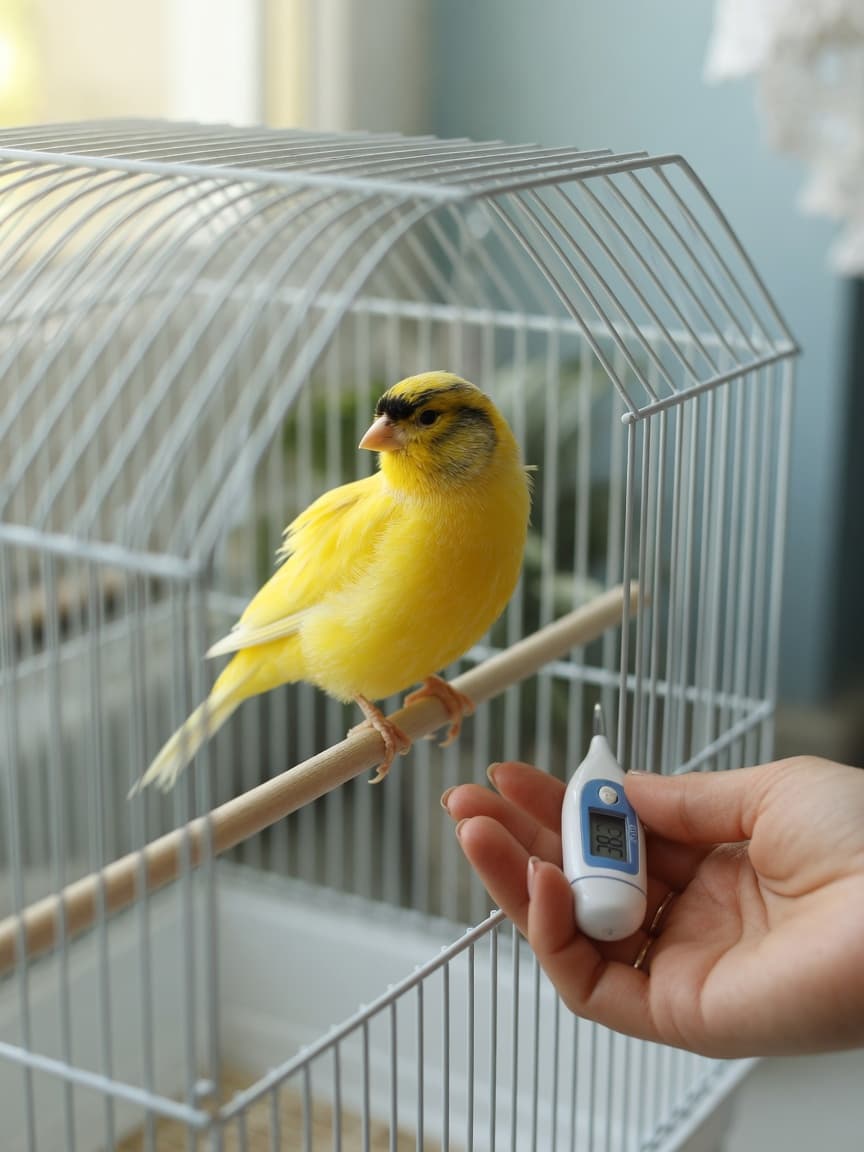
The Hidden Health Vulnerabilities of a Beloved Songbird
Canaries have been kept as companion birds for over 500 years, valued above all for their song. Yet despite generations of selective breeding, canaries remain susceptible to a range of conditions that can silence even the most vocal bird rapidly. Three of the most important health threats facing canaries today are air sac mites, egg binding, and canary pox virus. Each of these conditions can progress from subtle signs to a life-threatening situation within a short window of time, making informed ownership genuinely life-saving.
Air Sac Mites
Air sac mites, caused by the parasitic organism Sternostoma tracheacolum, are one of the most serious respiratory conditions seen in canaries. Unlike mange mites that affect the skin, these parasites live within the trachea, air sacs, and lungs, where they cause direct mechanical obstruction and inflammation.
How to Recognise an Infection
The most telling sign of air sac mite infestation is a change in the character of a canary's song or voice. A male canary that suddenly becomes quieter, produces a scratchy or clicking sound when breathing, or stops singing altogether should be considered a priority veterinary case. Other signs include:
- Open-mouth breathing or laboured respiration
- Tail bobbing in rhythm with breathing
- Clicking or squeaking sounds audible when the bird breathes
- General lethargy and reduced activity
- Weight loss in chronic cases
In severe infestations, birds can die of suffocation. Because the mites are not visible to the naked eye, diagnosis requires veterinary assessment, sometimes including a torch held to the trachea in a darkened room to visualise mite movement, or post-mortem examination.
Treatment
Ivermectin or moxidectin applied topically or given orally is the standard treatment, prescribed and dosed by a vet. All birds in a shared environment must be treated simultaneously, as mites spread through direct contact, shared food and water vessels, and contaminated surfaces. Treatment should be repeated to break the parasite life cycle. Environmental hygiene, including regular cleaning of perches and cage furniture, reduces reinfection risk.
Egg Binding in Canaries
Female canaries are active layers and, like other small passerines, are vulnerable to egg binding — the inability to pass a formed egg through the reproductive tract. Given how small canaries are, the window between onset and a fatal outcome can be extremely narrow.
Risk Factors Specific to Canaries
Canaries kept in cold conditions, fed a calcium-deficient diet, or pushed into repeated breeding cycles without adequate rest are at higher risk. First-time layers and older hens are also more vulnerable. Because canaries are small and often housed in cages rather than handled regularly, egg binding can be well advanced before an owner notices something is wrong.
Signs and Immediate Action
An egg-bound canary will typically be found sitting on the cage floor, fluffed, and unresponsive to usual stimuli. The abdomen may appear swollen. Unlike in parrots, the signs in canaries can be very subtle initially, progressing to collapse quickly. Keeping the bird at 30–32°C while arranging immediate veterinary care is the correct first response. Warmth alone can sometimes allow an egg to pass, but veterinary assessment is essential — complications including oviduct rupture can occur and are rapidly fatal. Do not attempt to press or manipulate the abdomen.
Preventing egg binding involves offering cuttlebone and calcium-rich foods year-round, not just during breeding season, maintaining a stable warm environment, and limiting breeding attempts to sustainable numbers per year.
Canary Pox Virus
Canary pox is caused by an avipoxvirus specific to canaries and closely related finches. It is transmitted primarily by biting insects — particularly mosquitoes — making outdoor aviaries and summer months higher-risk periods, though it can also spread through direct bird contact and contaminated surfaces.
Forms of the Disease
Canary pox can manifest in two forms. The cutaneous form produces raised, wart-like nodules around the eyes, beak, legs, and feet. These lesions can interfere with vision and feeding if they occur around the face. The diphtheritic form — more serious and often fatal — causes lesions to develop internally within the respiratory tract and mouth, leading to difficulty breathing and swallowing. Birds with the diphtheritic form often deteriorate rapidly.
Management and Prevention
There is no specific antiviral treatment for canary pox. Management of affected birds is supportive: maintaining warmth, ensuring the bird can access food and water (which may require softening feed), and preventing secondary bacterial infections with veterinary-prescribed antibiotics where appropriate. Lesions should not be picked at or removed at home.
A vaccine against canary pox is available in some regions and is widely used in breeding collections. Mosquito control around outdoor aviaries — using fine mesh, removing standing water, and avoiding housing birds outdoors during peak mosquito activity at dawn and dusk — significantly reduces transmission risk. New birds should be quarantined before joining an established collection.
Caring for Your Canary's Health: Practical Steps
Canaries are not always obvious in showing illness, and by the time symptoms are apparent, a bird may already be seriously unwell. Building simple monitoring habits into your daily routine makes an enormous difference:
- Listen daily to your canary's vocalisation — changes in song are often the first indicator of respiratory trouble
- Observe droppings each morning; changes in colour, consistency, or volume are meaningful
- Weigh your canary weekly using a small digital scale and keep a log
- Maintain cage temperatures above 18°C, particularly for breeding hens
- Offer cuttlebone and varied fresh foods alongside a quality seed or pellet mix
- Schedule annual checks with an avian vet, even for birds that appear healthy
The three conditions covered in this guide — air sac mites, egg binding, and canary pox — each have the potential to be fatal if treatment is delayed. Equally, all three are manageable when identified early and addressed with appropriate veterinary support. Your canary's song is both a joy and a health indicator: protect it by staying attentive and acting promptly when something seems wrong.