
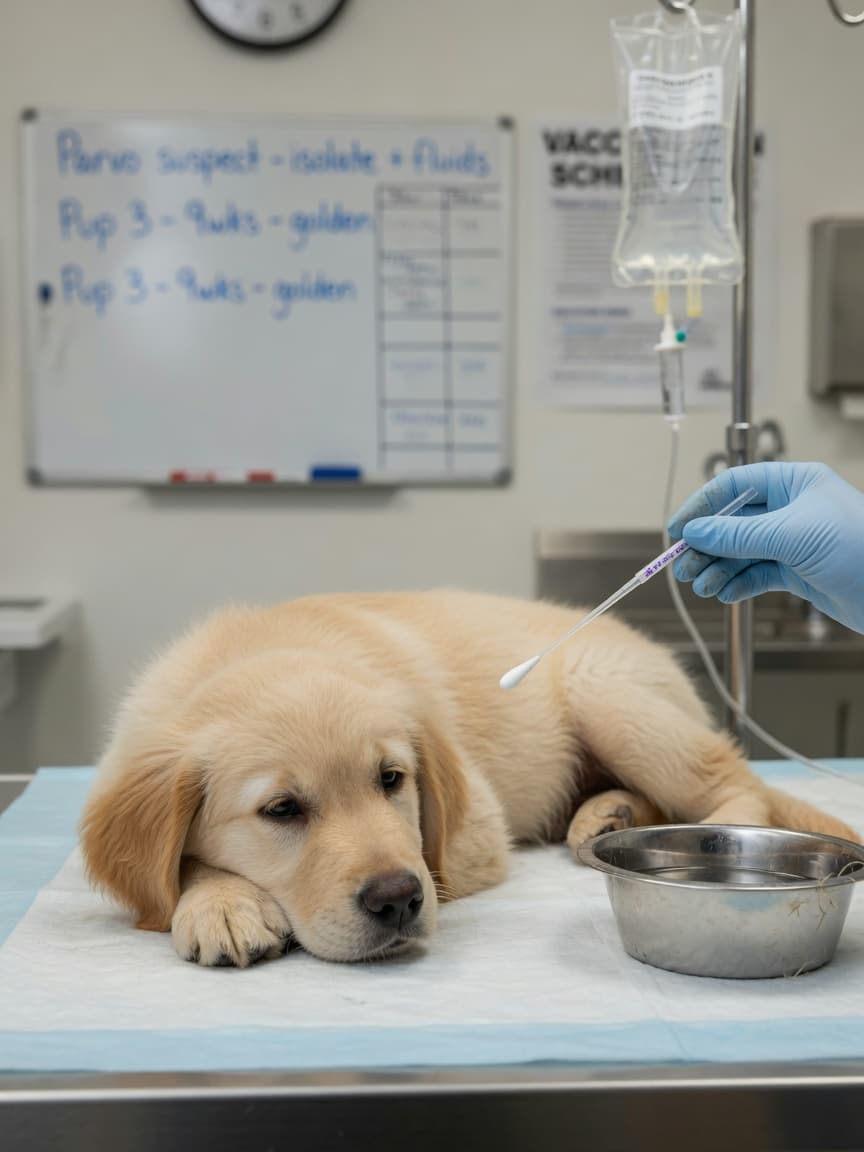
Canine Parvovirus Infection (Parvoviral Enteritis in Dogs) - Digestive System - Merck Veterinary Manual
Canine parvovirus (CPV) remains one of the most serious infectious diseases affecting dogs worldwide, causing severe gastrointestinal illness that can be life-threatening, particularly in puppies and unvaccinated adults. This highly contagious viral infection attacks the lining of the digestive tract, leading to severe vomiting, diarrhoea, and dehydration. Understanding this disease, recognising its symptoms early, and implementing proper prevention strategies are essential for every dog owner concerned with their pet's health and wellbeing.
What is Canine Parvovirus?
Canine parvovirus is a small, non-enveloped DNA virus that primarily affects rapidly dividing cells, particularly those lining the gastrointestinal tract. The virus was first identified in the 1970s and has since become endemic in dog populations across Europe and beyond. There are two main strains—CPV-2a and CPV-2b—both of which cause similar disease patterns in susceptible dogs.
The virus spreads through direct contact with infected faeces, contaminated environments, and occasionally through respiratory secretions. Infected dogs shed vast quantities of viral particles, making the virus extremely resistant and capable of surviving in the environment for months, even in harsh conditions.
Clinical Signs and Symptoms
The incubation period typically ranges from three to seven days. Once infection occurs, owners may observe:
- Sudden onset of severe vomiting, often persistent
- Profuse, watery diarrhoea that may contain blood
- Loss of appetite and lethargy
- Abdominal pain and distension
- Fever or subnormal body temperature
- Rapid dehydration and weight loss
- Pale mucous membranes indicating shock
Puppies aged six weeks to six months face the highest risk of severe disease. Without prompt treatment, mortality rates can reach 10–30% in treated cases and up to 90% in untreated puppies.
Diagnosis and Veterinary Treatment
Your veterinary surgeon will diagnose parvovirus through faecal antigen testing (ELISA) or PCR testing, which detects viral DNA. Blood tests may reveal characteristic changes including leucopaenia (reduced white blood cells) and elevated protein levels.
Treatment is supportive and focuses on managing symptoms whilst the immune system fights the infection. This includes:
- Aggressive intravenous fluid therapy to combat severe dehydration
- Anti-emetic medications to control vomiting
- Antibiotics to prevent secondary bacterial infections
- Nutritional support once vomiting subsides
- Pain management
- Isolation in hospital to prevent disease transmission
Hospitalisation typically lasts five to seven days, with recovery dependent on the dog's age, overall health, and immune system strength.
Prevention Through Vaccination
Vaccination remains the most effective prevention strategy. The standard puppy schedule includes vaccines at eight, twelve, and sixteen weeks of age, with booster vaccinations every one to three years thereafter, depending on your veterinary surgeon's recommendations and the vaccine used.
Maternal antibodies can interfere with early vaccination, which is why multiple doses are necessary. Unvaccinated or incompletely vaccinated dogs of any age remain vulnerable to infection.
Protecting Your Dog from Infection
Beyond vaccination, implement these practical measures:
- Maintain strict hygiene, using disinfectants effective against parvovirus (bleach solutions work well)
- Avoid contact between unvaccinated puppies and unknown dogs or contaminated environments
- Practice responsible waste disposal from all dogs
- Restrict access to public spaces until vaccination is complete
- Ensure all dogs in your household maintain current vaccinations
Key Takeaways
Canine parvovirus represents a serious health threat, but one entirely preventable through vaccination. Maintain your dog's vaccine schedule religiously, recognise early warning signs, and seek immediate veterinary care if symptoms develop. The combination of good hygiene practices, complete vaccination coverage, and prompt medical intervention provides the best protection for your beloved companion.