
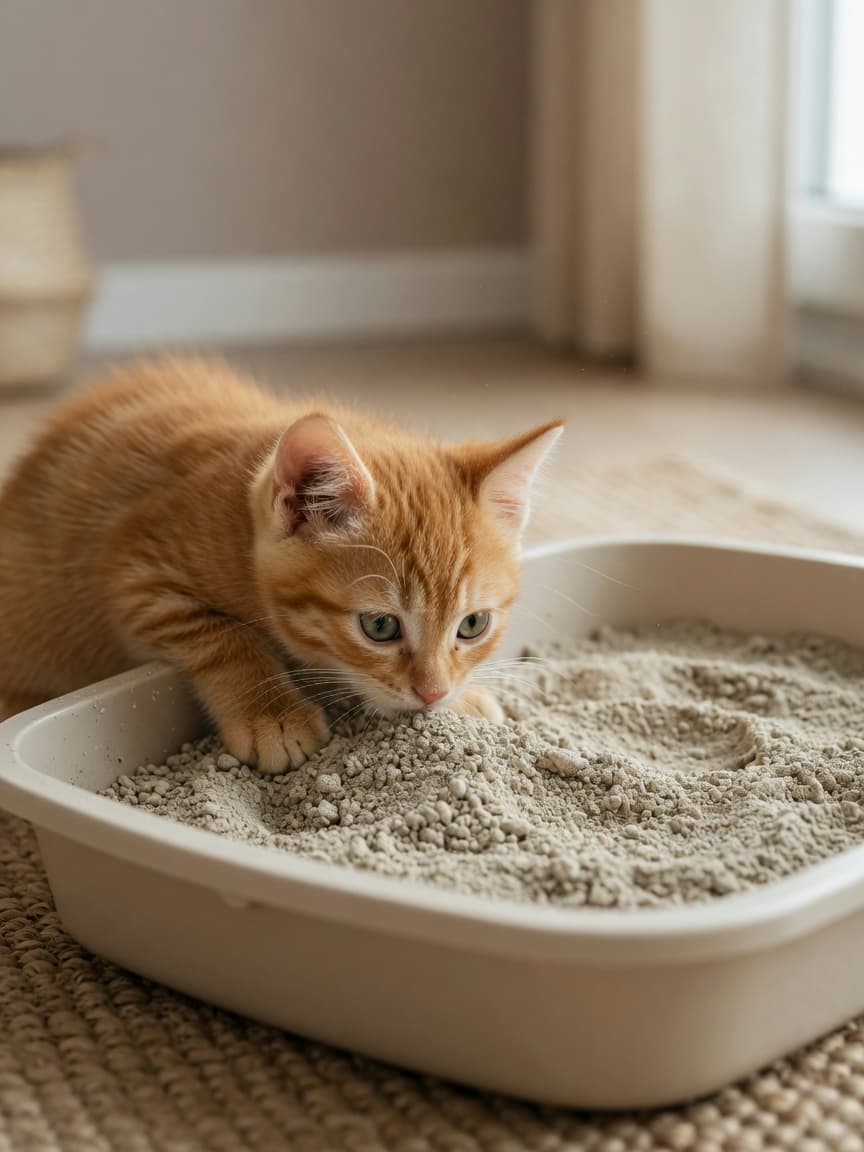
The Good News About Litter Training
Compared to toilet training a puppy, litter training a kitten is remarkably straightforward. Cats have an instinct to bury their waste, inherited from wild ancestors for whom concealing scent was a matter of survival. In most cases, a kitten that has spent its early weeks with its mother will already have some idea of what a litter box is for. Your job is primarily to make the right choice obvious and easy.
That said, there are enough variables — box size, litter type, location, number of boxes — that getting the setup wrong can undermine even the most naturally inclined kitten. This guide walks you through each of those decisions, along with what to do if things do not go to plan.
Choosing the Right Litter Box
Size
The single most common mistake with litter boxes is choosing one that is too small. A box should be large enough for the kitten — or the cat it will grow into — to turn around comfortably and scratch around in the litter. A good rule of thumb is that the box should be at least one and a half times the length of the cat. For a kitten, start with a low-sided box that is easy to climb into. Sides that are too high are a physical barrier for a young kitten and may discourage use from the outset.
Number of Boxes
The well-established guideline from feline behaviour experts is one litter box per cat, plus one. In a single-cat household, that means two litter boxes. This may sound excessive, but it serves an important purpose: cats prefer options, and having two boxes reduces the chance of a kitten being deterred from using one because it has been used recently. In multi-cat households, insufficient boxes is one of the primary drivers of litter box avoidance and inter-cat conflict.
Covered Versus Uncovered
Covered litter boxes are popular with owners because they contain odour and provide some visual privacy. Many cats use them without any issue. However, a significant number of cats dislike the enclosed feel of a covered box, particularly if it traps odours inside to the point that the cat finds it unpleasant to enter. If you opt for a covered box and your kitten seems reluctant to use it, try removing the lid temporarily to see if usage improves.
Location, Location, Location
Where you place the litter box matters more than many owners realise. The key principles are:
- Keep the box away from the kitten's food and water bowls — cats instinctively avoid toileting near their food source
- Choose a quiet location with low foot traffic, where the kitten will not be startled while using the box
- Ensure the kitten can access the box easily at all times — do not place it behind a door that might be closed
- If you have a multi-storey home, place at least one box on each floor
Avoid placing litter boxes in noisy locations such as next to a washing machine or in a heavily trafficked corridor. A kitten that is startled by a sudden noise while using its box may associate the box itself with the fright, leading to avoidance.
Choosing a Litter
The variety of cat litters available can be bewildering. The main categories are:
- Clumping clay litter: forms firm clumps around liquid waste, making spot-cleaning easy; widely used and accepted by most cats
- Non-clumping clay litter: absorbs moisture but does not form clumps; needs more frequent full changes
- Wood pellet litter: absorbent, biodegradable, and low dust; some cats take to it immediately, others take time to adjust
- Silica gel crystal litter: highly absorbent and low dust, but the texture is quite different from clay and not universally accepted
- Paper-based litter: very low dust, often recommended for kittens and post-surgery cats; less effective at odour control
For kittens specifically, low-dust litter is preferable. Fine clay dust can irritate a kitten's respiratory tract. Avoid scented litters — cats have a far more sensitive sense of smell than humans, and many find heavily scented litters off-putting. Zooplus stocks a broad range of litters, including dust-free clumping options and natural alternatives, making it easy to find a suitable choice and order in bulk.
Introducing Your Kitten to the Litter Box
When your kitten first arrives home, one of the first things to do is show it where the litter box is. Place the kitten gently in the box and let it sniff around. Do not force it to stay — just let it explore briefly and then leave it alone.
Kittens commonly need to toilet shortly after waking up, after eating, and after a play session. Gently placing the kitten in the litter box at these predictable moments can help establish the habit. If the kitten uses the box, offer calm, quiet praise and perhaps a small treat. Keep the reward understated — a kitten does not need a fanfare, just a positive association.
Most kittens catch on within a few days. Some make no mistakes at all from the start.
Handling Accidents Positively
Accidents happen, particularly in the first days. Never punish or scold a kitten for toileting outside the box. The kitten will not connect the punishment with the act, and the stress created by punishment can actually make litter box problems worse by increasing anxiety.
Instead, clean the accident site thoroughly with an enzymatic cleaner designed for pet waste. Standard household cleaners may not fully eliminate the odour that the kitten's sensitive nose can detect, and residual scent can attract the kitten back to the same spot. If accidents are occurring repeatedly in one particular location, try temporarily placing a litter box there — the kitten may be telling you something about its preferred location.
When to Speak to a Vet
A kitten that was using its litter box reliably and then starts avoiding it, or that strains to urinate or defecate, may have a medical issue rather than a behavioural one. Urinary tract infections, constipation, intestinal parasites, and painful conditions such as cystitis can all cause litter box avoidance. Any sudden change in litter box habits warrants a veterinary check, particularly if accompanied by blood in the urine or faeces, crying, or signs of pain.
Maintaining the Litter Box
A clean litter box is a used litter box. Scoop clumping litter at least once daily and do a full litter change weekly. Non-clumping litters need more frequent full changes. Wash the box itself with mild soap and warm water during full changes — avoid strong-smelling disinfectants, as the residual scent can deter use.
Litter boxes and litters can be ordered conveniently from Zooplus, with subscription options available for regular deliveries. Keeping a spare supply on hand means you never have to delay a full litter change because you have run out. A clean, well-maintained box is the single most effective thing you can do to keep your kitten's litter habits on track.