
What To Expect for Bone Cancer in Dogs
Discovering that your beloved dog has been diagnosed with bone cancer can feel overwhelming. Osteosarcoma, the most common type of bone cancer in dogs, accounts for roughly 85% of all canine bone malignancies. Whilst this is undoubtedly serious, understanding what to expect—from symptoms through treatment options to quality-of-life considerations—can help you make informed decisions and provide the best possible care for your furry companion during this challenging time.
Understanding Bone Cancer in Dogs
Osteosarcoma typically develops in the long bones of the legs, particularly around the shoulder, elbow, hip, and knee joints. It's most common in larger and giant breeds, with German Shepherds, Golden Retrievers, and Rottweilers at higher risk. The disease usually affects middle-aged to older dogs, though younger large-breed dogs can also develop it.
Bone cancer is aggressive and often progresses quickly. Without treatment, most dogs with osteosarcoma will experience significant pain and reduced mobility within weeks.
Recognising the Early Signs
Early detection can make a genuine difference in your dog's quality of life. Watch for these warning signs:
- Persistent lameness or limping, particularly in the hind legs or front legs
- Swelling or a visible lump around a joint or bone
- Reluctance to put weight on one leg
- Difficulty standing, jumping, or climbing stairs
- Pain when the affected area is touched
- Lethargy or decreased interest in activities your dog normally enjoys
If you notice any of these signs, arrange a veterinary appointment promptly. Your vet may recommend X-rays or other imaging to confirm a diagnosis.
Diagnostic Process
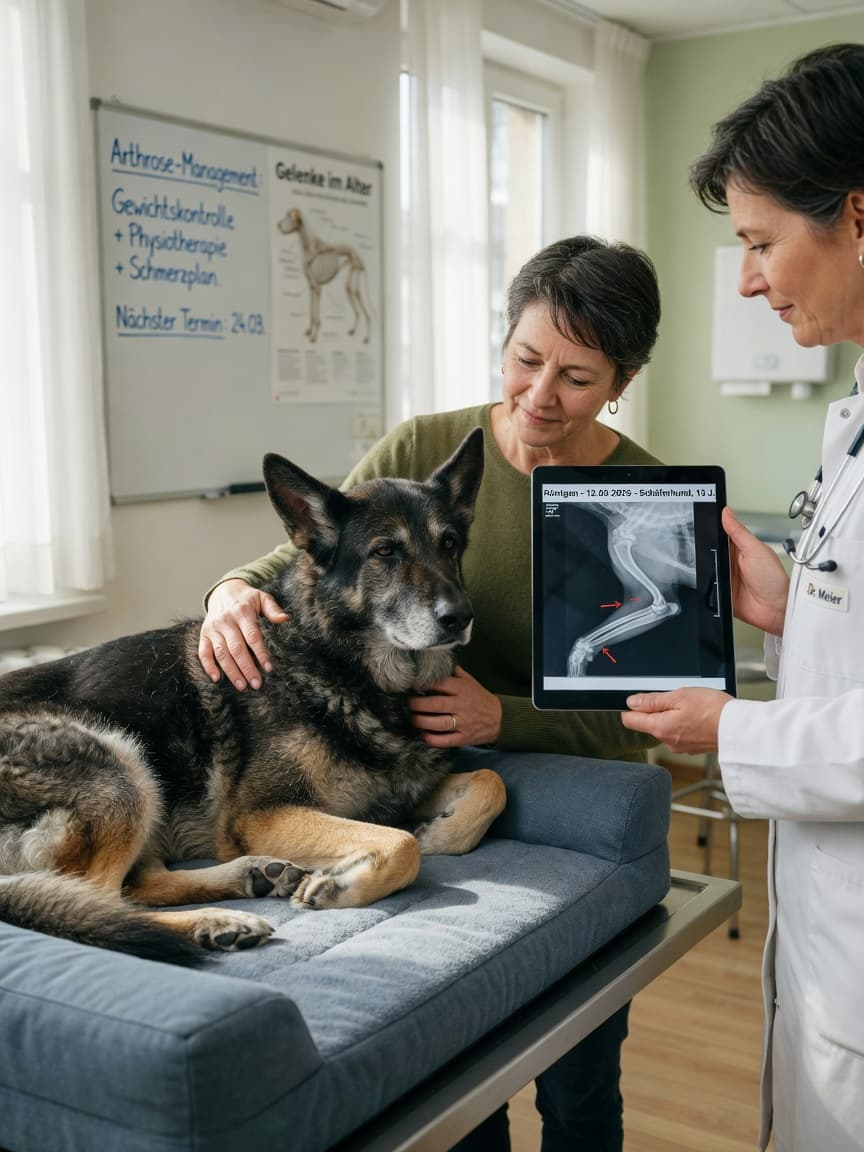
Your veterinarian will typically start with physical examination and radiographs (X-rays) of the affected limb. These images can reveal characteristic changes in the bone structure associated with osteosarcoma. A biopsy—taking a small tissue sample—may be performed to confirm the diagnosis definitively.
Your vet may also recommend staging tests, including chest X-rays and potentially CT scans, to determine whether cancer has spread to other parts of the body, particularly the lungs.
Treatment Options
The primary treatment approaches include:
- Amputation—Removing the affected limb is the most common surgical option. Whilst this sounds drastic, most dogs adapt remarkably well to three-legged mobility, particularly with appropriate pain management and physiotherapy.
- Limb-sparing surgery—In some cases, veterinary surgeons can remove the tumour whilst preserving the limb. This is complex and only suitable for specific tumour locations.
- Chemotherapy—Often combined with surgery, chemotherapy can extend survival time and manage pain. Modern protocols are generally well-tolerated by dogs.
- Palliative care—If surgery isn't appropriate, pain management and quality-of-life measures become the priority.
Managing Pain and Supporting Quality of Life
Effective pain control is absolutely essential. Your vet may recommend:
- Non-steroidal anti-inflammatory drugs (NSAIDs)
- Stronger analgesics for advanced disease
- Physiotherapy and gentle exercise tailored to your dog's mobility
- Comfortable bedding and easy access to food and water bowls
- Environmental modifications to reduce stress on the affected limb
Key Takeaways
Bone cancer in dogs is serious, but modern veterinary medicine offers genuine options to extend and improve your dog's life. Early detection matters significantly. Discuss all available treatments thoroughly with your veterinary team, considering your dog's age, overall health, and your family's circumstances. Many dogs enjoy a good quality of life following amputation or chemotherapy. Focus on maintaining comfort, mobility, and joyful moments with your companion. Your vet and potentially a veterinary oncologist can guide you through each decision, ensuring your dog receives compassionate, evidence-based care.