
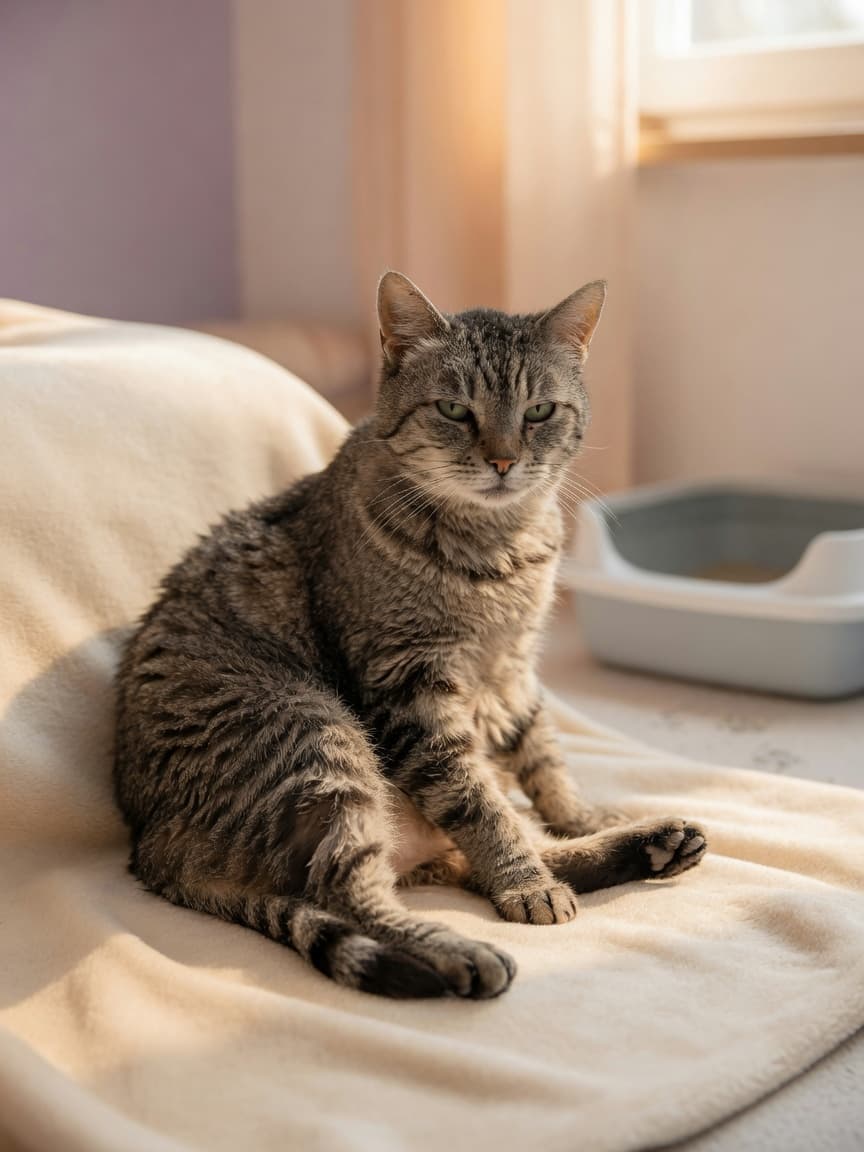
The Cat Who Stopped Jumping
Cats are famously stoic. In the wild, showing pain is a vulnerability, and domestication has done little to override that instinct. This means feline arthritis — which affects an estimated 90% of cats over the age of twelve — is dramatically underdiagnosed. Your cat is not "just slowing down with age." Chances are, they are in pain and quietly coping with it.
Understanding Feline Osteoarthritis
Osteoarthritis (OA) in cats involves the gradual breakdown of cartilage within joints, leading to bone-on-bone friction, inflammation, and pain. The elbows, hips, stifles (knees), and lower spine are most commonly affected. Unlike dogs, cats rarely limp conspicuously — they adapt their behaviour instead, which is precisely why owners so often miss the signs.
Arthritis in cats is a chronic, progressive condition. It cannot be cured, but with appropriate management, its impact on quality of life can be substantially reduced.
Behavioural Signs to Watch For
Because cats do not vocalise pain reliably, owners need to observe changes in behaviour and daily habits rather than waiting for obvious lameness.
Reduced Mobility and Altered Movement
Watch for hesitation before jumping, lower jump heights, or choosing not to jump at all. An arthritic cat may stop accessing favourite elevated spots — the sofa, a windowsill, the bed. They may also descend stairs more slowly or avoid them altogether. Movement may appear stiff, particularly after rest.
Grooming Changes
A cat in joint pain finds it difficult to contort into the positions required for thorough grooming. You may notice a matted, unkempt coat — especially along the back and hindquarters — in a cat who was previously fastidious about their appearance. Conversely, some cats over-groom painful joints, creating bald patches.
Litter Tray Problems
If your cat begins eliminating outside the litter tray, consider whether the tray itself has become a physical obstacle. High sides, a top-entry design, or a tray located at the bottom of stairs may simply be too painful to negotiate. This is not a behavioural problem — it is a mobility problem.
Temperament and Social Changes
Increased irritability, withdrawal from interaction, or reacting defensively when touched in specific areas — particularly around the spine or hips — are meaningful signals. A cat who used to enjoy being picked up but now protests may be experiencing pain rather than a shift in personality.
Getting a Diagnosis
If you suspect arthritis, a veterinary assessment is the essential next step. Your vet will conduct a physical examination, assessing joint range of motion and watching the cat move. X-rays can confirm OA and identify its extent, though the degree of radiographic change does not always correlate directly with the level of pain the cat experiences.
It is worth preparing for the appointment by noting specific behavioural changes you have observed at home — video footage of your cat moving or attempting to jump can be particularly useful.
Pain Management Options
Prescription Medication
Non-steroidal anti-inflammatory drugs (NSAIDs) formulated specifically for cats are the cornerstone of medical management. It is critical to note that human NSAIDs — including ibuprofen and aspirin — are toxic to cats and must never be used. Your vet will prescribe species-appropriate options and monitor kidney and liver function with regular blood tests, as long-term NSAID use carries risks in some individuals.
A newer class of treatment — monoclonal antibody injections targeting nerve growth factor — has shown significant promise for feline OA and is now available in several markets. Ask your vet whether this is appropriate for your cat.
Nutritional Support
Omega-3 fatty acids have anti-inflammatory properties and are well-supported by evidence in feline joint health. Green-lipped mussel extract, glucosamine, and chondroitin sulphate are widely used supplements, though evidence quality varies. A quality joint-support diet or supplement, used alongside — not instead of — veterinary treatment, can contribute meaningfully to overall management.
Weight Management
Every excess gram places additional load on already compromised joints. If your cat is overweight, a structured weight-loss plan overseen by your vet can produce noticeable improvements in mobility. Even modest reductions in body weight have been shown to reduce pain scores in arthritic cats.
Home Adaptations That Reduce Daily Pain
- Provide a litter tray with low sides or a cut-out entry point, placed on the same level your cat spends most time on.
- Offer ramps or pet steps to help your cat access favourite spots without jumping.
- Use raised food and water bowls to reduce the need to bend the neck down.
- Provide deep, well-padded bedding in a warm location — cold and hard surfaces worsen joint stiffness.
- Place essentials (food, water, litter, sleeping area) on one level to minimise movement between floors.
- Handle your cat gently and avoid lifting from the scruff or under the abdomen in ways that stress the spine.
Monitoring and Long-Term Care
Feline arthritis is a lifelong management challenge, not a problem that is solved once and left. Regular veterinary check-ups — every three to six months — allow for medication adjustments, weight monitoring, and assessment of progression. Keep a simple log of your cat's activity, appetite, grooming habits, and litter tray use. These details help your vet make better-informed decisions.
An arthritic cat can still experience a good quality of life. The goal is not to eliminate a progressive disease but to ensure that pain is managed effectively and that daily life remains comfortable and dignified.