
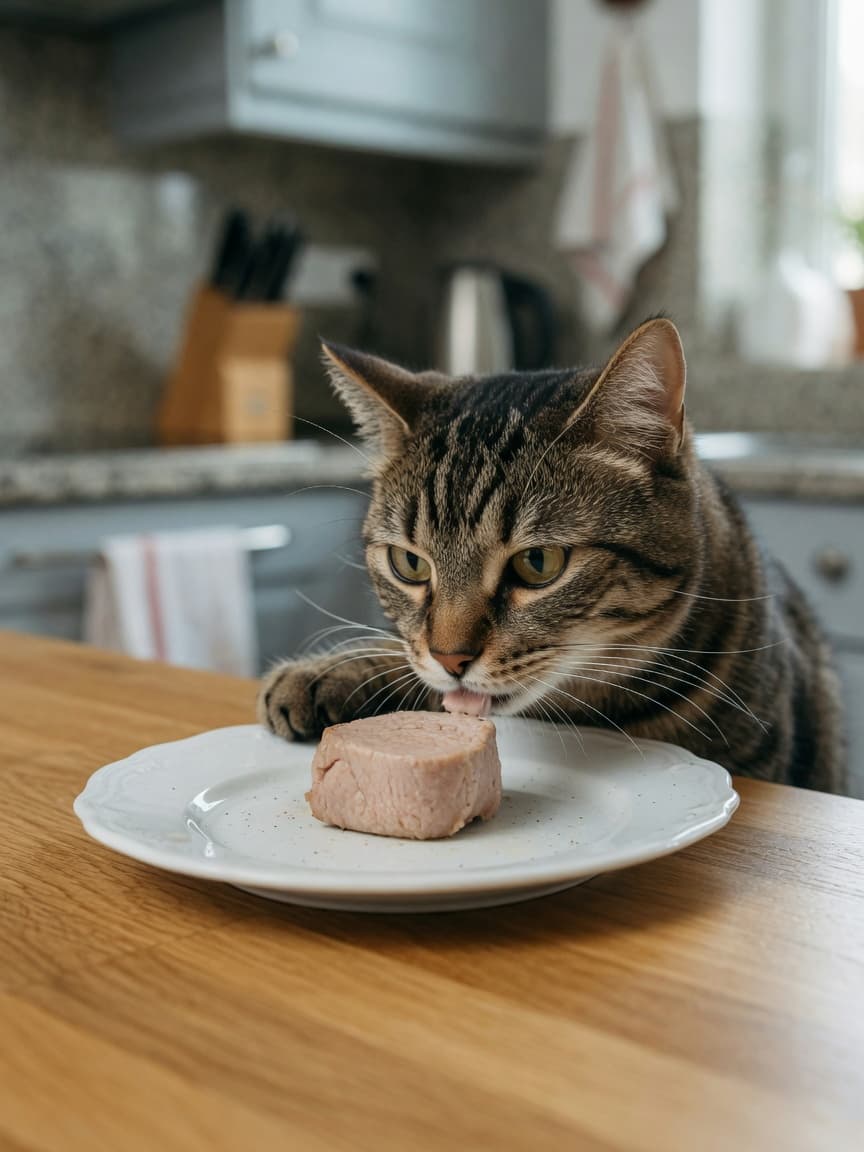
Can Cats Eat Pork?
The short answer is: yes, but with caution. Pork is meat, and cats are obligate carnivores—meaning their bodies are designed to digest animal protein. However, pork isn't an ideal food for cats, and there are real risks you need to understand before offering it to your pet.
Why Pork Requires Caution
Pork can pose several health risks to cats, particularly depending on how it's prepared and served:
High Fat Content: Much of the pork we eat is fatty. Too much fat can trigger pancreatitis in cats—a painful and serious inflammation of the pancreas. Cats have sensitive digestive systems, and rich meats can overwhelm them more easily than they would a dog or human.
Salt and Seasoning: Processed pork products like ham, bacon, sausages and deli meat are loaded with salt and spices that aren't suitable for cats. Excessive salt can cause dehydration, thirst, and urinary issues. Garlic and onion—common seasonings in pork dishes—are toxic to cats and can damage their red blood cells.
Parasites and Bacteria: Raw or undercooked pork carries a risk of parasites and pathogens such as salmonella and E. coli. Cats may tolerate these organisms better than humans sometimes do, but infection remains a real danger, especially for kittens, elderly cats, or those with weakened immune systems.
Choking and Bone Hazards: Pork bones, whether raw or cooked, pose a choking risk and can splinter and cause internal blockages or perforations—a life-threatening emergency.
Safe Pork: What's Actually OK?
If you choose to give your cat pork, stick to these guidelines:
Plain, Cooked, Lean Pork Only: Boil or bake plain pork tenderloin or lean cuts with absolutely no salt, spices, garlic, or onion. Remove all visible fat, skin, and bones. The meat should be soft and easy to chew.
Tiny Portions: Pork should never be a regular part of your cat's diet. Offer only a small piece—roughly the size of a dice—as an occasional treat, not a meal component.
Infrequent Treats: Once or twice a month at most, not weekly.
How Much Is Too Much?
For a typical adult cat, a small piece of plain cooked pork (under 5 grams) given occasionally is unlikely to cause immediate harm. However, regular or larger portions increase the risk of digestive upset, pancreatitis, and nutritional imbalance. Remember that cats need a complete, balanced diet formulated specifically for feline nutrition—pork cannot provide that, and too many "treats" crowd out proper nutrition.
Which Cats Should Avoid Pork Entirely
Certain cats should not eat pork at all:
Kittens and senior cats with sensitive digestion, cats with a history of pancreatitis or digestive disease, cats with food allergies or sensitivities, and cats with kidney or urinary issues should avoid pork completely. If your cat has any ongoing health condition, consult your vet before introducing any new food.
Warning Signs to Watch For
After giving your cat pork (even a small amount), watch for these red flags:
Vomiting, diarrhoea, loss of appetite, abdominal pain or crouching, lethargy, excessive thirst, or difficulty urinating. If you notice any of these signs, contact your vet promptly.
Better Alternatives
If you want to reward your cat with meat, there are safer options. Plain cooked chicken breast (no skin, bones, or seasoning) or turkey are far better choices. You can also offer small amounts of commercial cat treats formulated for feline nutrition, which are much safer and satisfy the same desire to give your pet something special.
The Bottom Line
While a tiny morsel of plain cooked pork won't poison your cat, it's simply not worth the risk when better alternatives exist. Cats thrive on high-quality commercial cat food and plain cooked poultry. If you do choose to offer pork, treat it as an extremely rare and minimal indulgence—and always consult your vet if your cat has any existing health conditions or shows any signs of upset afterward.