
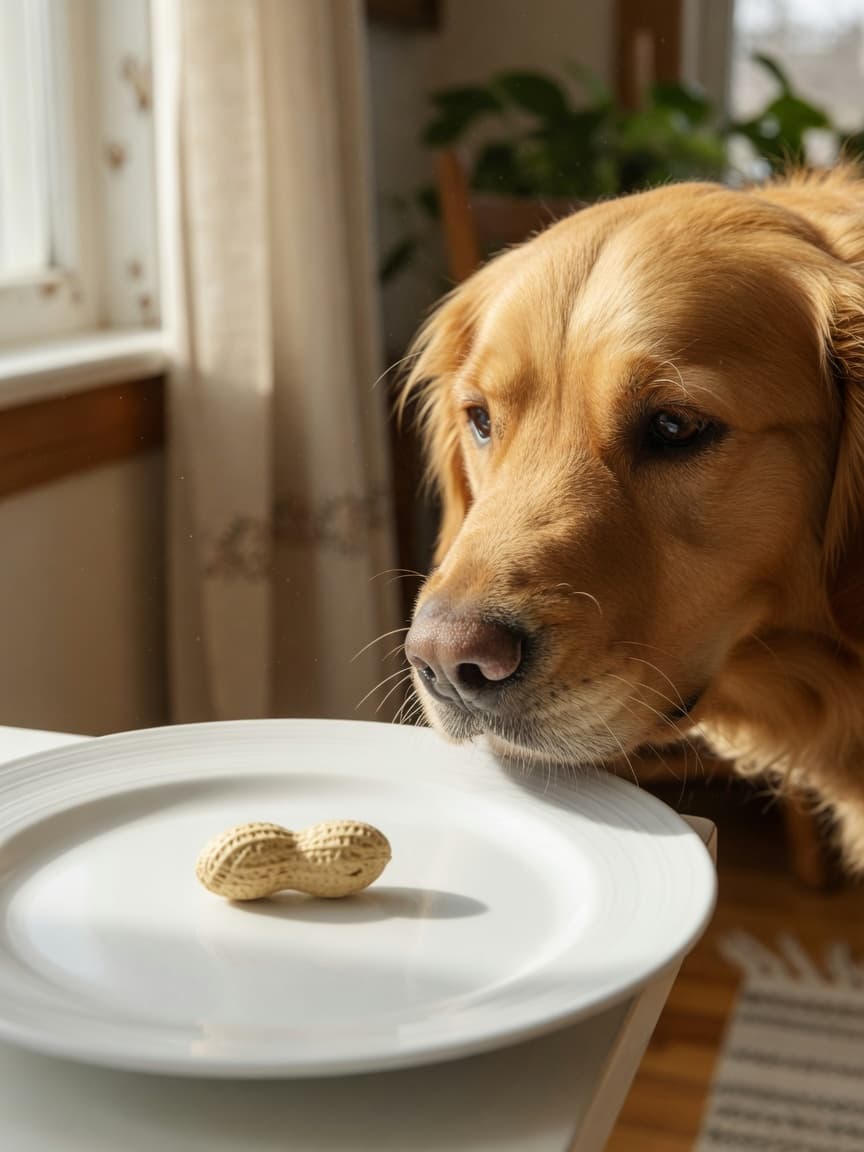
Can Dogs Eat Peanuts?
The short answer is: yes, but with caution. Peanuts are not toxic to dogs in small amounts, and many dogs enjoy them as an occasional treat. However, there are several important risks to understand before offering peanuts to your dog, and certain preparation methods and health conditions mean some dogs should avoid them entirely.
Why Peanuts Require Caution
The main concern with peanuts is their fat content. Peanuts are relatively high in fat, and excessive fat consumption can trigger pancreatitis—a painful inflammation of the pancreas that requires veterinary treatment. Dogs with a history of pancreatitis, obesity, or certain digestive conditions are at higher risk, but any dog can develop this condition if given too many fatty foods.
Another critical hazard is xylitol, an artificial sweetener found in many peanut butter brands and processed peanut products. Xylitol is highly toxic to dogs and can cause rapid drops in blood sugar (hypoglycaemia) and severe liver damage. Even small amounts can be dangerous, so you must always check ingredient labels carefully before giving any peanut-based product to your dog.
Salt is a third concern. Many salted peanuts contain excessive sodium, which is not appropriate for dogs and can lead to sodium ion poisoning if consumed in significant quantities. Plain, unsalted peanuts are much safer if you choose to offer them at all.
Safe Preparation and Portion Sizes
If your dog is otherwise healthy and you want to offer peanuts as a treat, follow these guidelines:
Use plain, unsalted, in-shell peanuts or raw peanuts. Roasted peanuts are acceptable, but avoid salted, honey-roasted, or chocolate-covered varieties. If offering peanut butter, choose a brand with no added xylitol, salt, or sugar—check the label every time, as formulations can change.
Offer only very small amounts. A single peanut or a small dab of peanut butter (no larger than a pea) is appropriate as an occasional treat for most dogs. For small breeds, give even less. Peanuts should never comprise more than 10 percent of your dog's daily calorie intake.
Remove the shell. While peanut shells are not toxic, they pose a choking hazard and are difficult to digest. Always shell peanuts before offering them to your dog.
Introduce gradually. If your dog has never eaten peanuts before, offer a tiny amount and wait 24 hours to monitor for any digestive upset or allergic reaction before giving more.
Which Dogs Should Avoid Peanuts
Do not give peanuts to dogs with:
A history of pancreatitis or digestive sensitivity. Obesity or weight management issues. Existing allergies or food sensitivities. Diabetes (the fat and calories can complicate blood sugar management). Any dog taking medication for liver or pancreatic conditions.
If you are unsure whether peanuts are safe for your individual dog, ask your veterinary surgeon before offering them.
Warning Signs to Watch For
If your dog has eaten peanuts and you notice vomiting, diarrhoea, abdominal pain, lethargy, loss of appetite, or increased thirst and urination, contact your veterinary surgery immediately. These can be signs of pancreatitis, xylitol poisoning, or other complications requiring urgent treatment.
A Note on Other Pets
If you have a cat at home and are considering peanuts as treats, remember that cats are obligate carnivores with very different nutritional needs. Peanuts offer no nutritional benefit to cats and should be avoided, as cats have sensitive digestive systems and receive all necessary nutrition from a complete, meat-based diet.
The Bottom Line
Peanuts can be a safe occasional treat for healthy adult dogs when prepared correctly and given in tiny amounts. However, the risks—particularly xylitol toxicity, pancreatitis, and excessive fat intake—mean they are best avoided altogether unless you have checked the ingredients thoroughly and your dog has no underlying health conditions. Safer, nutritionally complete treat options are widely available, so always consult your veterinary surgeon if you are uncertain.