
Cancers and Tumours of the Eye in Dogs - Dog Owners - Merck Veterinary Manual
Eye cancers in dogs are relatively uncommon but can be devastating when they occur. Whilst many dog owners worry about common conditions like cataracts or glaucoma, ocular tumours represent a serious threat that deserves greater awareness. Early detection and prompt veterinary intervention can make a significant difference in your dog's quality of life and prognosis. This guide explores what you need to know about eye cancers in dogs, helping you recognise warning signs and understand your treatment options.
Understanding Ocular Tumours in Dogs
Eye tumours in dogs can develop in various structures, including the iris, ciliary body, choroid, retina, and eyelids. Some tumours originate within the eye itself (primary tumours), whilst others spread from cancer elsewhere in the body (secondary tumours). The most common primary intraocular tumours in dogs are melanomas and lymphomas, though adenocarcinomas and haemangiosarcomas also occur.
Certain dog breeds show increased predisposition to specific eye cancers. German Shepherds and Labrador Retrievers, for instance, have higher rates of uveal melanomas. Age is also a risk factor, with most ocular tumours diagnosed in dogs over 8 years old. Whilst UV exposure may play a role in eyelid tumours, most intraocular cancers develop without obvious environmental triggers.
Recognising the Warning Signs
Early recognition is crucial, as many dogs show no symptoms until tumours are advanced. However, vigilant owners can spot subtle changes:
- Visible changes in eye colour, particularly darkening of the iris or appearance of new pigmented areas
- Cloudiness or opacity within the eye that develops gradually
- Blood in the anterior chamber (hyphema) or persistent redness
- Swelling of the eye or surrounding tissues
- Discharge or watering from the affected eye
- Signs of pain, including squinting, excessive blinking, or reluctance to open the eye
- Vision loss or bumping into objects on the affected side
- Enlargement of the eye (buphthalmos), indicating secondary glaucoma
- A visible mass on the eyelid or conjunctiva
Diagnostic Procedures
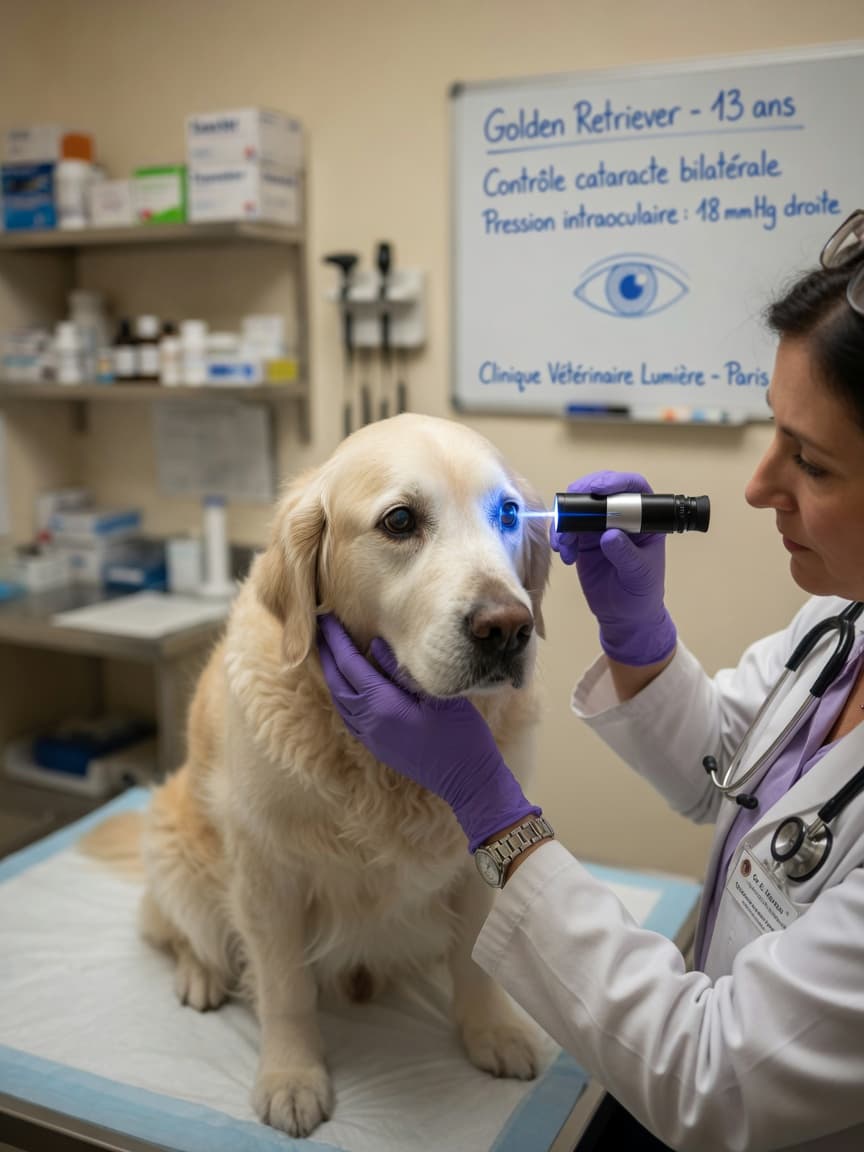
Your veterinary surgeon will perform a comprehensive eye examination using specialised equipment including an ophthalmoscope, slit lamp, and ultrasound imaging. These tools allow detailed assessment of all eye structures. Intraocular pressure measurement helps identify secondary glaucoma, a common complication.
Advanced imaging such as ultrasound B-scan or MRI may be necessary to evaluate the tumour's extent and impact on surrounding tissues. In some cases, fine-needle aspiration cytology or biopsy may be recommended to confirm the diagnosis and guide treatment decisions.
Treatment Options
Treatment depends on several factors: the tumour type, size, location, stage, and whether vision remains in the affected eye. Your veterinary surgeon will discuss the following approaches:
- Enucleation (eye removal): Surgical removal of the entire eye is often recommended for intraocular tumours, particularly when secondary glaucoma develops or when the eye is painful and blind.
- Radiation therapy: External beam radiation or brachytherapy (internal radiation) may help preserve vision in select cases, though availability varies.
- Chemotherapy: Systemic or topical chemotherapy is occasionally used, particularly for lymphomas or when metastasis is present.
- Palliative care: Pain management and quality-of-life considerations remain paramount, especially in advanced cases.
Prognosis and Aftercare
Prognosis varies considerably depending on tumour type and stage. Melanomas confined to the eye generally carry better outlooks than those with evidence of systemic spread. Dogs adapt remarkably well to vision loss when living in familiar environments, and many enjoy excellent quality of life following enucleation.
Post-treatment, regular veterinary check-ups monitor for complications and recurrence. Your dog may require pain medication, eye drops, or other supportive care depending on the chosen treatment approach.
Key Takeaways
Eye cancers in dogs demand prompt veterinary attention. Attend annual eye examinations, particularly for ageing dogs, and report any changes in eye appearance or behaviour immediately. With early detection and appropriate treatment, many dogs continue to enjoy a good quality of life. Always discuss prognosis, treatment options, and your dog's comfort honestly with your veterinary surgeon, ensuring decisions align with your pet's overall health and your family's circumstances.