
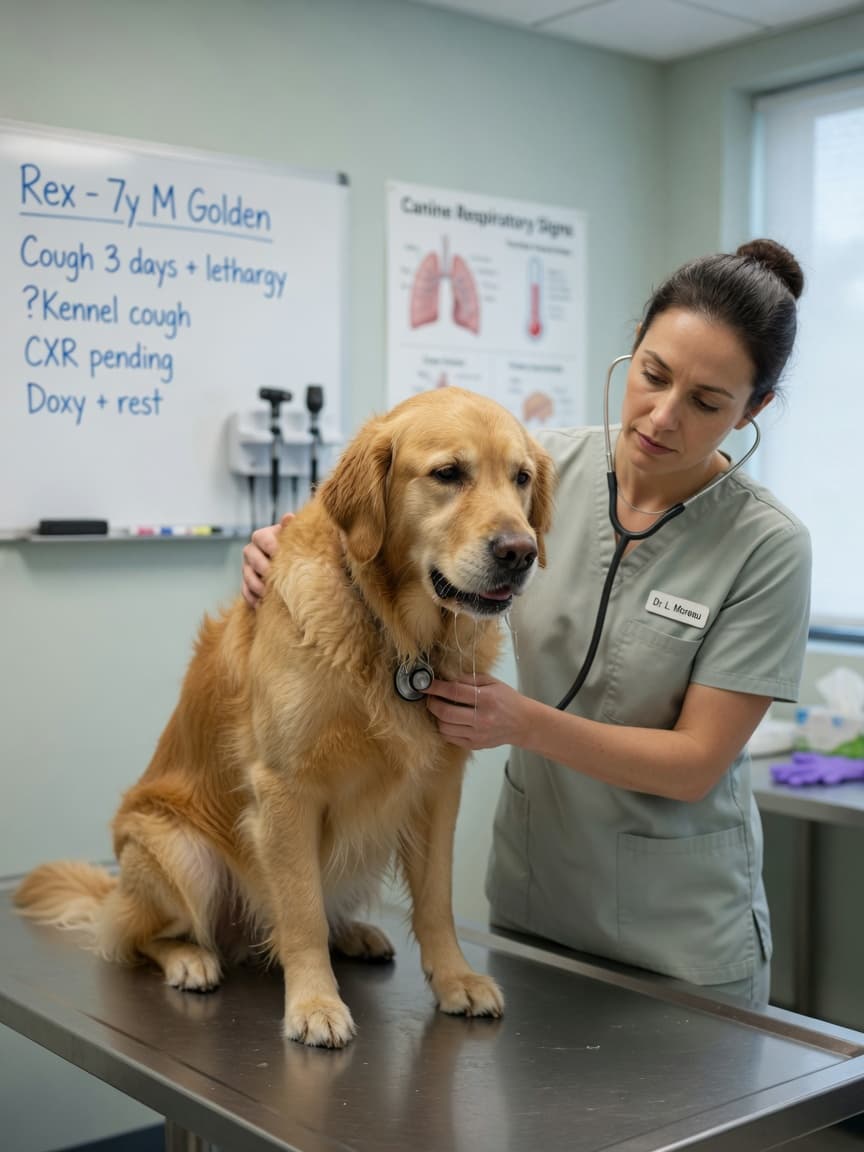
Canine Influenza (Flu) - Respiratory System - Merck Veterinary Manual
Canine influenza, commonly known as dog flu, is a highly contagious viral infection that affects the respiratory system in dogs. Unlike the seasonal flu that impacts humans, canine influenza is caused by specific influenza A viruses that primarily affect dogs. Over the past two decades, this illness has become increasingly prevalent in kennels, shelters, and multi-dog households across Europe and beyond. Understanding how the virus spreads, recognising the symptoms, and knowing when to seek veterinary care are essential for keeping your canine companion healthy.
What is Canine Influenza?
Canine influenza is a respiratory disease caused by influenza A viruses, specifically the H3N8 and H3N2 strains. These viruses are distinct from human influenza and cannot infect people. The H3N8 strain emerged in dogs in the United States in 2004 and has since spread globally, whilst H3N2 was first identified in dogs in Asia and has become increasingly common in Europe.
The virus spreads rapidly through aerosol droplets when infected dogs cough, sneeze, or bark. Direct contact with nasal secretions, contaminated water bowls, or exposure to shared toys and bedding also facilitates transmission. Dogs in close-contact environments—such as boarding facilities, dog parks, and shelters—are at particularly high risk.
Recognising the Symptoms
Clinical signs of canine influenza typically appear within 1-3 days of exposure and can vary in severity. Most affected dogs develop a persistent cough that may last 1-3 weeks, even with treatment.
- Persistent dry or productive cough (often the first sign)
- Nasal discharge (clear to mucopurulent)
- Sneezing and nasal congestion
- Low-grade fever (often not noticeable to owners)
- Lethargy and reduced appetite
- Laboured breathing in severe cases
- Secondary bacterial infections (pneumonia)
Whilst most dogs recover within 2-3 weeks, some develop severe pneumonia or other complications requiring intensive care.
Risk Factors and Vulnerable Dogs
Certain dogs face elevated risk of serious illness:
- Puppies under 6 months of age
- Senior dogs (over 7 years)
- Dogs with pre-existing respiratory conditions
- Immunocompromised individuals
- Dogs exposed to crowded environments regularly
Diagnosis and Veterinary Care
Your veterinarian can diagnose canine influenza through several methods, including RT-PCR testing from nasal swabs (most accurate within the first 5-7 days), antigen detection tests, or serology. A thorough physical examination combined with your description of symptoms helps guide diagnosis.
Treatment is primarily supportive, focusing on rest, hydration, and nutritional support. Antibiotics may be prescribed if secondary bacterial infections develop. Most dogs recover with appropriate home care, though veterinary monitoring is advisable for severe cases or at-risk populations.
Prevention Strategies
Preventing canine influenza involves multiple practical approaches:
- Vaccination: Canine influenza vaccines are available and can reduce infection severity and duration, particularly important for dogs frequenting kennels or group settings.
- Avoid exposure: Limit contact with sick dogs and high-risk environments during outbreaks.
- Hygiene practices: Wash hands after contact with other dogs, disinfect toys and bedding regularly.
- Isolation: Keep infected dogs separated from other pets for at least 2-3 weeks.
- Good nutrition: A balanced diet supports immune function and recovery.
Key Takeaways
Canine influenza is a serious but manageable respiratory condition. Early recognition of symptoms, prompt veterinary consultation, and supportive care significantly improve outcomes. Vaccination offers valuable protection, particularly for dogs with high exposure risk. By implementing preventative measures and maintaining good hygiene practices, you can substantially reduce your dog's risk of contracting this contagious virus and contribute to community health in multi-dog settings.