
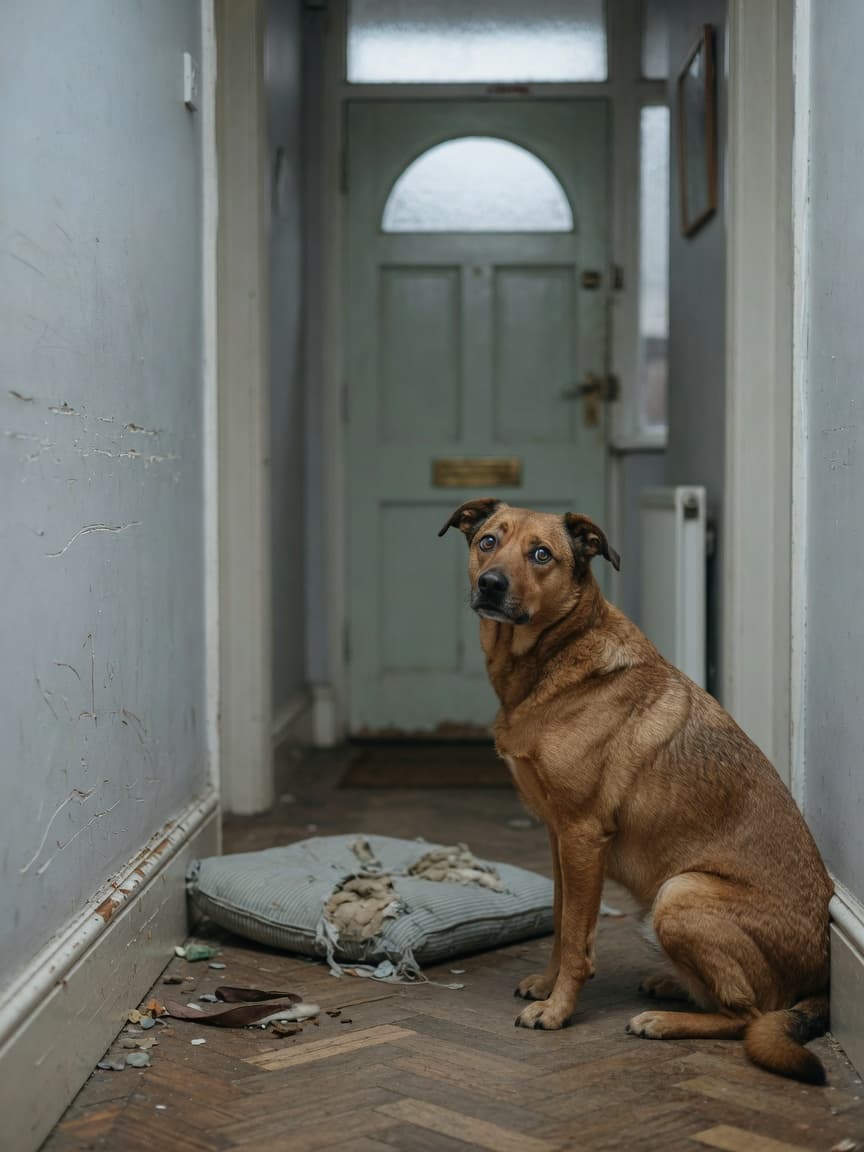
What Is Dog Separation Anxiety?
Separation anxiety is one of the most commonly diagnosed behavioural conditions in domestic dogs. It occurs when a dog becomes highly distressed in the absence of their owner or primary attachment figure. Unlike mild discomfort at being left alone, true separation anxiety involves a genuine panic response that can significantly affect the dog's quality of life and welfare.
The condition is distinct from other problem behaviours such as boredom-related destruction or insufficient training. A dog suffering from separation anxiety is not misbehaving out of spite or disobedience — they are experiencing real psychological distress that requires compassionate and structured intervention.
Common Causes of Separation Anxiety in Dogs
Separation anxiety can develop for a variety of reasons, and understanding the underlying cause is important for choosing the most appropriate treatment approach.
Pandemic Puppies
Dogs acquired during periods of lockdown, particularly between 2020 and 2022, are disproportionately represented in separation anxiety cases. These dogs were raised in an environment where their owners were home almost continuously. When normal working patterns resumed, many of these dogs had no experience of solitude and struggled significantly with the sudden change.
Rescue and Rehomed Dogs
Dogs that have experienced abandonment, kennelling, or multiple rehomings are at higher risk of developing separation anxiety. The instability of their early lives can create a heightened attachment to new owners and a fear of being left again.
Life Changes and Triggers
A change in household routine, the loss of a companion animal, moving home, or the departure of a family member can all trigger the onset of separation anxiety in dogs that had previously coped well alone. Even positive changes, such as a child leaving for university, can disrupt a dog's sense of security.
Recognising the Signs
Symptoms typically begin within minutes of the owner leaving and may include a wide range of distress behaviours. Many owners are unaware of the severity of the problem because they are not present to observe it. Setting up a camera or audio recorder before leaving the home can provide valuable insight.
- Destructive behaviour directed at exits such as doors and windows
- Excessive vocalisation including howling, barking and whining
- Inappropriate urination or defecation despite being house-trained
- Excessive salivation, panting and restlessness
- Self-directed behaviours such as excessive licking or scratching
- Refusal to eat food or treats left by the owner
- Attempts to escape the home that risk injury
Separation Anxiety Versus Normal Distress
It is important to distinguish true separation anxiety from normal settling behaviour. Many puppies and newly rehomed dogs will vocalise or seem unsettled for short periods when first left alone. This typically resolves within a few weeks as the dog adjusts to their new routine. Separation anxiety, by contrast, does not improve with time alone and usually escalates. The key diagnostic feature is that symptoms occur specifically in response to being alone, rather than arising from other environmental triggers.
Treatment: Graduated Desensitisation
The gold standard treatment for separation anxiety is a carefully structured programme of graduated desensitisation. This approach works by teaching the dog that being alone is safe and manageable, building tolerance in very small, controlled increments.
The process begins far below the dog's threshold for distress — often just a few seconds. The owner leaves and returns before the dog shows any sign of anxiety. Over many sessions spanning weeks or months, the duration of absences is gradually extended. Progress must be paced according to the individual dog; rushing the process can cause setbacks.
Counter-conditioning is used alongside desensitisation to create positive associations with departure cues. Triggers such as picking up keys or putting on a coat are paired with highly valued rewards so that the dog learns to anticipate something pleasant rather than experiencing dread.
Adaptil and Calming Products
Adaptil, known in some markets as DAP (Dog Appeasing Pheromone), is a synthetic version of the natural pheromone produced by nursing mothers. It is available as a plug-in diffuser, collar, and spray, and has been shown in clinical studies to reduce anxiety-related behaviours in dogs. It is not a standalone solution but can support a behaviour modification programme by reducing the dog's baseline anxiety level.
Zylkene, which contains the milk protein derivative alpha-casozepine, is a nutritional supplement with evidence supporting its use in dogs experiencing situational anxiety. It is available without prescription and may be useful as part of a multimodal treatment plan, particularly in the early stages of a desensitisation programme.
When to Seek Professional Help
Owners who are not making progress after several weeks of consistent effort, or whose dog's distress is severe, should seek referral to a qualified animal behaviourist. In the UK and EU, look for professionals accredited by organisations such as the Association of Pet Behaviour Counsellors (APBC), the Centre of Applied Pet Ethology (COAPE), or the International Association of Animal Behavior Consultants (IAABC). These bodies require practitioners to demonstrate clinical knowledge and adhere to ethical standards, including the use of positive reinforcement only.
Medication Options
In cases of moderate to severe separation anxiety, medication prescribed by a veterinary surgeon can significantly improve outcomes when used alongside behaviour modification. Fluoxetine and clomipramine are the most commonly used medications for this condition in dogs; both require a veterinary prescription and should never be obtained or administered without professional guidance. Medication is not a cure in itself but can lower the dog's anxiety threshold sufficiently to make behaviour modification more effective.
What to Avoid
Punishment has no place in the treatment of separation anxiety. A dog that has eliminated indoors or caused damage has done so as a result of genuine distress, and any form of punishment will increase anxiety and worsen the condition. Similarly, approaches that involve forcing a dog to tolerate distressing situations without proper gradual exposure are counterproductive and harmful to welfare. All treatment should be based on positive reinforcement and patience.
Building Confidence and Independence
Alongside formal desensitisation, owners can support their dog's progress by encouraging independence throughout the day. Teaching the dog to settle calmly on a bed at a distance from the owner, using food-dispensing toys and enrichment activities, and avoiding reinforcing overly clingy behaviour can all help the dog develop a greater sense of security. Recovery from separation anxiety takes time, but with the right support most dogs make significant and lasting improvement.