
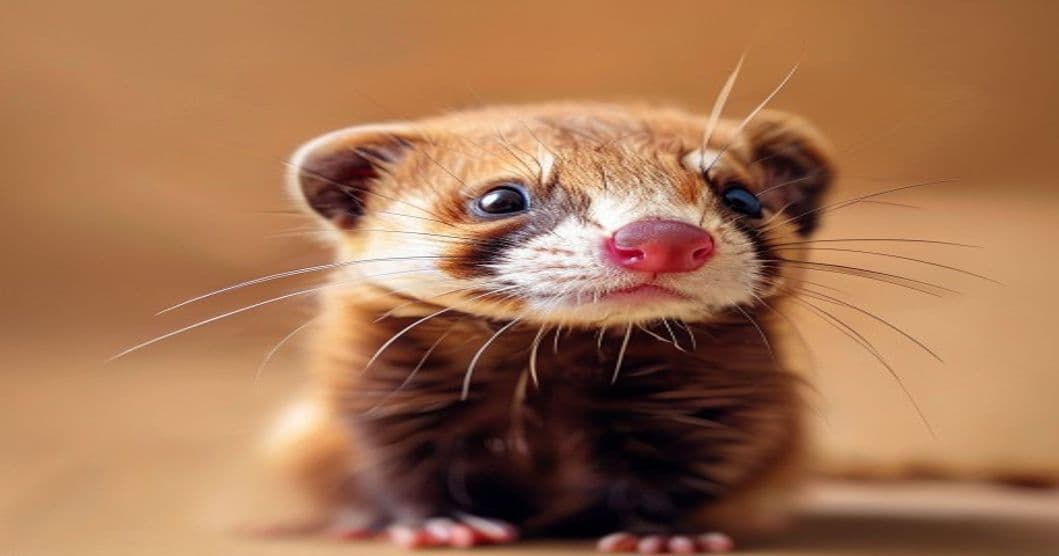
Understanding the Obligate Carnivore
Ferrets are strict obligate carnivores — a designation that means animal protein is not simply a dietary preference but a biological necessity. Unlike omnivores, who can derive nutrition from a variety of food sources, ferrets lack the metabolic machinery to effectively use plant-based proteins or convert vegetable matter into the nutrients they require. Every aspect of ferret nutrition follows from this single, non-negotiable fact.
A ferret's wild ancestors — members of the mustelid family closely related to polecats — survived on whole prey: small mammals, birds, and occasionally eggs. The nutritional profile of whole prey is what evolution designed the ferret body to process. When we build a domestic ferret's diet, that ancestral template is the standard we should aim to replicate as closely as practical circumstances allow.
Macronutrient Requirements
Ferrets require a diet that is high in animal protein, high in animal fat, and extremely low in carbohydrates. The commonly cited targets are a minimum of 30 to 40 percent protein from animal sources, 15 to 20 percent fat, and ideally less than 3 percent carbohydrate. Some ferret nutritionists argue the carbohydrate figure should be as close to zero as possible — and the evidence supports a cautious approach to any carbohydrate inclusion.
Ferrets have a very short gastrointestinal tract and a rapid digestive transit time of approximately three to four hours. This means they extract little nutritional value from fibrous plant matter, and any carbohydrates that are consumed arrive quickly in the lower gut, where they can cause fermentation and digestive disruption. More significantly, there is a well-established link between high-carbohydrate diets and insulinoma — a tumour of the insulin-producing cells of the pancreas — which is one of the most common and serious diseases seen in ferrets over the age of three.
Protein Sources: Quality Matters
Not all protein is equal in ferret nutrition. Ferrets need animal-derived protein that contains complete amino acid profiles — the building blocks their bodies cannot synthesise independently. Taurine is one amino acid that deserves specific attention; deficiency leads to dilated cardiomyopathy (a serious heart condition), and it is found only in animal tissue, not plant protein.
The best protein sources for ferrets include:
- Whole prey items such as mice, rats, chicks, and day-old quail (ideally frozen-thawed)
- Raw meat including chicken, turkey, rabbit, and lamb
- Whole chicken wings and necks (raw)
- Organ meats such as heart and liver (in moderation — liver particularly should not exceed around ten percent of the diet due to high vitamin A content)
- High-quality dry kibble formulated specifically for ferrets, where the first two to three ingredients are named animal proteins
Many ferret owners feed a combination of raw food and a quality ferret kibble. This approach has practical advantages — kibble provides consistency and convenience, while raw food offers variety and a more biologically appropriate nutritional profile. Whatever combination you choose, the protein must consistently come from animal sources.
What to Avoid in Ferret Food
Certain ingredients should be actively avoided in any food offered to ferrets. Fish-based foods, while high in protein, are associated with a condition called Aleutian disease sensitivity and can also cause unusually strong odour in waste. More critically, any kibble that lists grain, corn, peas, potato, sweet potato, or other high-carbohydrate vegetables prominently in its ingredients is unsuitable — these are common filler ingredients in cat and dog foods that are sometimes incorrectly used with ferrets.
Cat food is occasionally cited as an acceptable substitute for ferret food. While high-quality kitten food can be used as a short-term option in emergencies (it tends to be higher in protein and fat than adult cat food), it is not an appropriate long-term diet and lacks nutrients specifically important to ferrets. Ferret-specific formulations exist for good reason.
Feeding Frequency and Free Feeding
Ferrets have a high metabolic rate and small stomach capacity. Unlike many pets who do well with scheduled meals, ferrets typically benefit from free-choice access to food throughout the day. They will naturally consume many small meals — sometimes as many as 8 to 10 per day — which aligns with their short transit time and high energy needs. Restricting food access in ferrets can lead to hypoglycaemia, particularly in older animals or those with existing insulinoma.
For owners feeding raw diets, free-feeding poses obvious food safety challenges. The practical compromise is to offer raw meals two to three times daily, allowing 20 to 30 minutes for eating and removing uneaten food promptly. Fresh water should be available at all times; many ferrets prefer drinking from a bowl rather than a bottle, and hydration supports kidney health throughout life.
Life Stage Nutrition
Nutritional needs shift across a ferret's lifespan, which typically runs between six and ten years. Kits (ferrets under 12 months) are in rapid growth and have particularly high protein and calorie requirements. Whole prey or high-quality raw is especially beneficial during this stage, and it is also the critical window for introducing dietary variety — ferrets are highly prone to food imprinting and may refuse novel foods introduced later in life.
Senior ferrets, generally considered those over four years of age, are at elevated risk for insulinoma, adrenal disease, and lymphoma. Dietary management for insulinoma centres on avoiding any sugar or carbohydrate spikes that trigger insulin release. A raw or very low-carbohydrate kibble diet is particularly important in these animals, and many vets recommend transitioning to primarily raw protein sources as ferrets age if they have not been eating raw food already.
Supplements and Treats
A ferret eating a balanced, varied diet of whole prey and quality animal proteins will have limited need for supplementation. Omega-3 fatty acids from salmon oil can support coat condition and have anti-inflammatory properties that may benefit ferrets with adrenal disease — a small amount added to raw food a few times per week is a reasonable addition. Avoid supplements containing plant-based oils or unnecessary added sugars.
Treats should be species-appropriate: tiny pieces of cooked chicken or turkey, freeze-dried meat treats with no additives, or small whole prey items. Never offer fruit, vegetables, raisins, dairy products, or processed human foods. The ferret gut is simply not equipped to handle them, and the consequences — from digestive upset to long-term disease risk — are not worth any momentary enthusiasm your ferret displays at the sight of something sweet.