
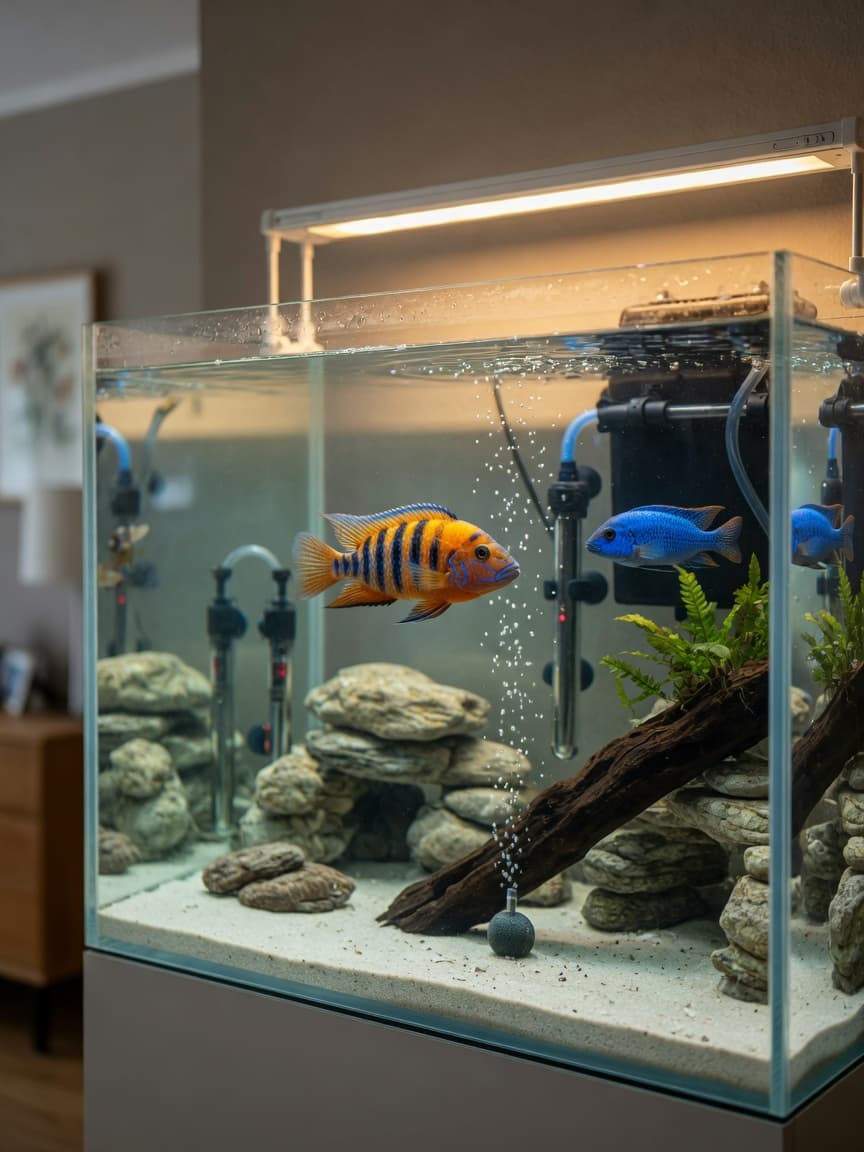
How to Set Up a Cichlid Aquarium
Cichlids are amongst the most captivating freshwater fish you can keep at home, renowned for their vibrant colours, intelligent behaviour, and distinct personalities. However, these remarkable fish require more thoughtful preparation than many beginners realise. Setting up a proper cichlid aquarium demands careful consideration of tank size, water conditions, décor, and filtration. This comprehensive guide will walk you through everything you need to create a thriving environment where your cichlids can flourish.
Choosing the Right Tank Size
Tank size is perhaps the most critical decision you'll make. Cichlids are territorial and require adequate space to establish their domains and exhibit natural behaviours. Most species need a minimum of 75 litres for a single fish, though larger species may require 150 litres or more.
- Small cichlids (such as dwarf varieties): 75-100 litres minimum
- Medium cichlids (Oscar fish, severum): 150-200 litres
- Large cichlids (Jack Dempseys, similar species): 200+ litres
- Community tanks with multiple species: 200-300+ litres
Resist the temptation to economise on space. Undersized tanks lead to stress, aggression, poor water quality, and illness.
Essential Equipment and Filtration
Cichlids produce substantial waste, making robust filtration absolutely essential. You'll need:
- Powerful filter: A canister filter or large hang-on filter rated for your tank volume is ideal. Many experts recommend choosing equipment rated for 1.5 times your tank capacity.
- Heater: Most cichlids prefer temperatures between 24-28°C. A reliable submersible heater with a thermostat is non-negotiable.
- Air pump and airstone: Enhances water circulation and oxygenation, particularly important in densely populated tanks.
- Lighting: A timer-controlled light system promoting a consistent 12-hour day/night cycle supports natural rhythms.
- Water test kit: Essential for monitoring ammonia, nitrite, nitrate, and pH levels regularly.
Substrate and Décor Selection
Cichlids interact extensively with their environment, so substrate choice matters significantly. Sand or fine gravel allows natural digging and foraging behaviours without damaging their sensory lateral line system.
- Use sand or fine gravel (2-5mm diameter)
- Avoid sharp substrates that may cause injury
- Provide hiding places using rocks, caves, and driftwood
- Create territories with vertical structures and plant-friendly décor
- Leave open swimming spaces for active species
Cichlids may uproot live plants, though hardy species like Anubias can survive if anchored securely. Artificial alternatives work well and last longer.
Water Chemistry and Conditions
Different cichlid species have varying water requirements. Research your specific fish's needs, but generally:
- pH: 6.0-8.0 depending on species (African cichlids typically prefer 7.0-8.0; South American species prefer 6.0-7.0)
- Hardness: Varies by species; test your tap water first
- Temperature: Maintain 24-28°C consistently
- Perform 25-30% weekly water changes to maintain quality
Invest time in cycling your tank before adding fish. Run your filter for 4-6 weeks, establishing beneficial bacteria colonies that process waste.
Final Setup and Introduction
Once equipment is installed and water is conditioned:
- Add substrate and décor, creating visual barriers between territories
- Fill the tank and run all equipment for several days before introducing fish
- Test water parameters to ensure stability
- Introduce fish gradually, observing behaviour closely for the first week
- Feed sparingly initially—once or twice daily with high-quality cichlid pellets
Key Takeaways
Setting up a cichlid aquarium successfully requires prioritising tank size, investing in quality filtration, and maintaining stable water conditions. By thoughtfully planning your setup and understanding your species' specific needs, you'll create an environment where cichlids can display their fascinating natural behaviours and colours. Remember: proper preparation prevents problems and ensures years of enjoyment watching these intelligent fish thrive.