
How to Take Care of a Puppy: Vet-Approved Guide for First-Timers — Dogster
Bringing a puppy home is one of life's most exciting moments, but it also comes with significant responsibility. Whether you're a first-time dog owner or simply new to raising puppies, understanding the fundamentals of puppy care is essential for setting your new companion up for a healthy, happy life. This vet-approved guide covers everything you need to know during those critical first months.
Nutrition and Feeding Schedules
Proper nutrition forms the foundation of your puppy's development. Puppies require high-quality food specifically formulated for growth, as their needs differ significantly from adult dogs.
- Feed puppies aged 6–12 weeks three to four times daily to support rapid growth
- Transition to twice-daily feeding between 3–6 months of age
- Choose puppy-formula foods that meet AAFCO standards and contain appropriate levels of protein and fat
- Always provide fresh, clean water throughout the day
- Avoid feeding table scraps, as they can cause digestive upset and contribute to obesity
Consult your veterinarian about the best food for your puppy's specific breed and size, as large-breed puppies have distinct nutritional requirements to prevent developmental orthopedic disease.
Vaccinations and Preventative Health Care
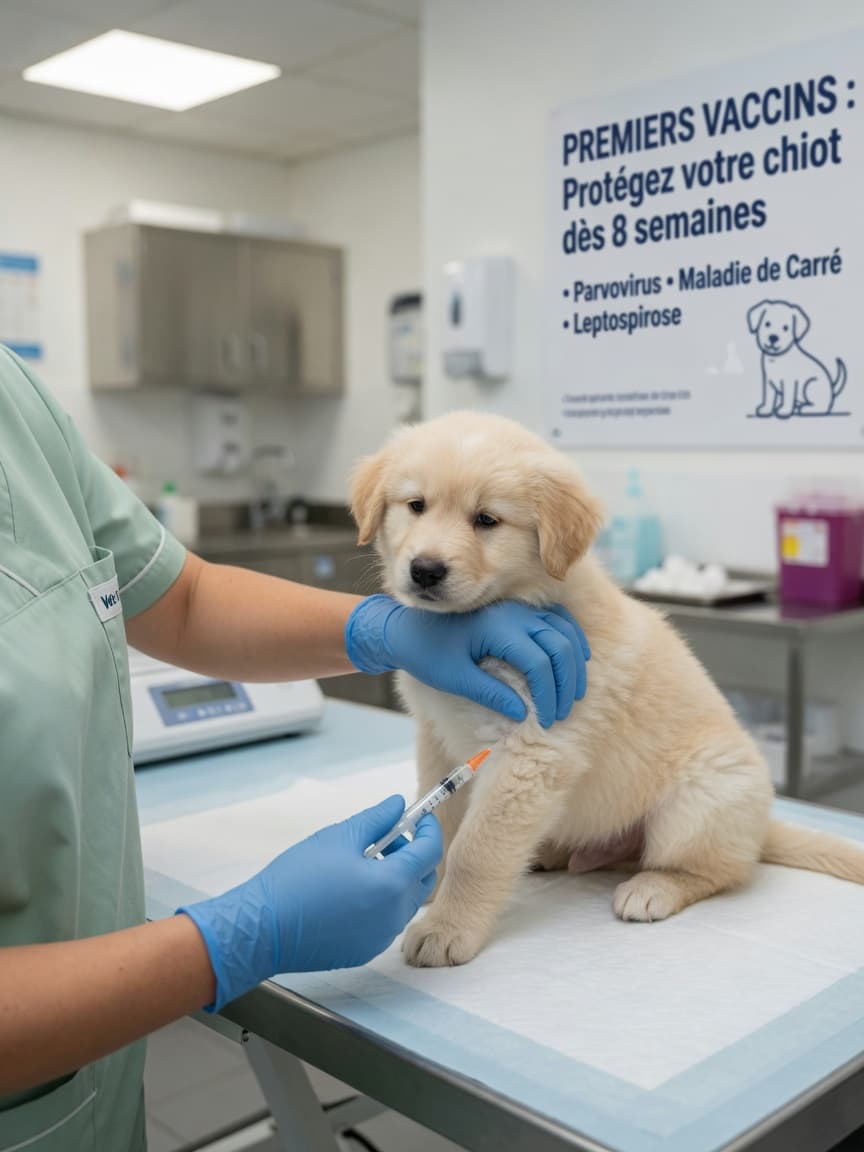
Vaccinations are crucial for protecting your puppy from serious, potentially life-threatening diseases. Your vet will establish a vaccination schedule tailored to your puppy's age and lifestyle.
- Begin primary vaccinations between 6–8 weeks of age
- Receive booster shots every 3–4 weeks until 16 weeks old
- Administer rabies vaccination (legal requirement in most European countries)
- Discuss parasite prevention for fleas, ticks, and worms—typically starting at 2 weeks old
- Schedule microchipping around 8–12 weeks for permanent identification
Keep a vaccination record and maintain regular check-ups. Most vets recommend puppy check-ups every 2–3 weeks during the first three months, then annually thereafter.
Socialisation and Training Foundations
The socialisation window closes around 16 weeks, making early exposure to people, environments, and other animals critical. Well-socialised puppies develop into confident, well-adjusted adults.
- Introduce your puppy to various sounds, surfaces, and experiences in a controlled, positive manner
- Arrange supervised playtime with vaccinated, friendly dogs
- Expose your puppy to different people, including children and visitors
- Start basic training early—puppies can learn commands as young as 8 weeks
- Use positive reinforcement methods rather than punishment-based techniques
Consider enrolling in a puppy training class. These sessions provide professional guidance and valuable socialisation opportunities with other puppies.
House Training and Sleep Management
Patience and consistency are essential for successful house training. Puppies typically develop bladder control around 16–20 weeks old, so accidents are normal and expected.
- Establish a regular toilet schedule, typically after meals, playtime, and sleep
- Take your puppy outside frequently—at least every 2–3 hours
- Praise and reward outdoor toileting immediately
- Create a designated sleeping area, such as a crate, which encourages natural cleanliness
- Expect nighttime accidents; avoid punishing mistakes
Most puppies won't achieve full house training until 4–6 months old. Night-time control develops later, often around 6–9 months.
Dental Care and Grooming Essentials
Establishing grooming routines early helps your puppy become comfortable with handling and prevents health issues later.
- Begin tooth brushing at home 3–4 times weekly using dog-specific toothpaste
- Schedule professional dental checks as part of routine vet visits
- Bathe your puppy every 4–6 weeks with warm water and gentle dog shampoo
- Start ear cleaning and nail trimming routines early for habituation
- Brush coat appropriate to your breed's requirements
Key Takeaways for Puppy Success
Raising a puppy requires commitment, but following these vet-approved practices significantly improves long-term health outcomes. Prioritise vaccinations and parasite prevention, establish consistent feeding and toilet schedules, invest time in early socialisation and training, and maintain regular veterinary contact. Remember that every puppy develops at their own pace—stay patient, remain consistent, and celebrate the small milestones. Your early investment in proper puppy care lays the groundwork for a healthy, well-behaved companion for years to come.