
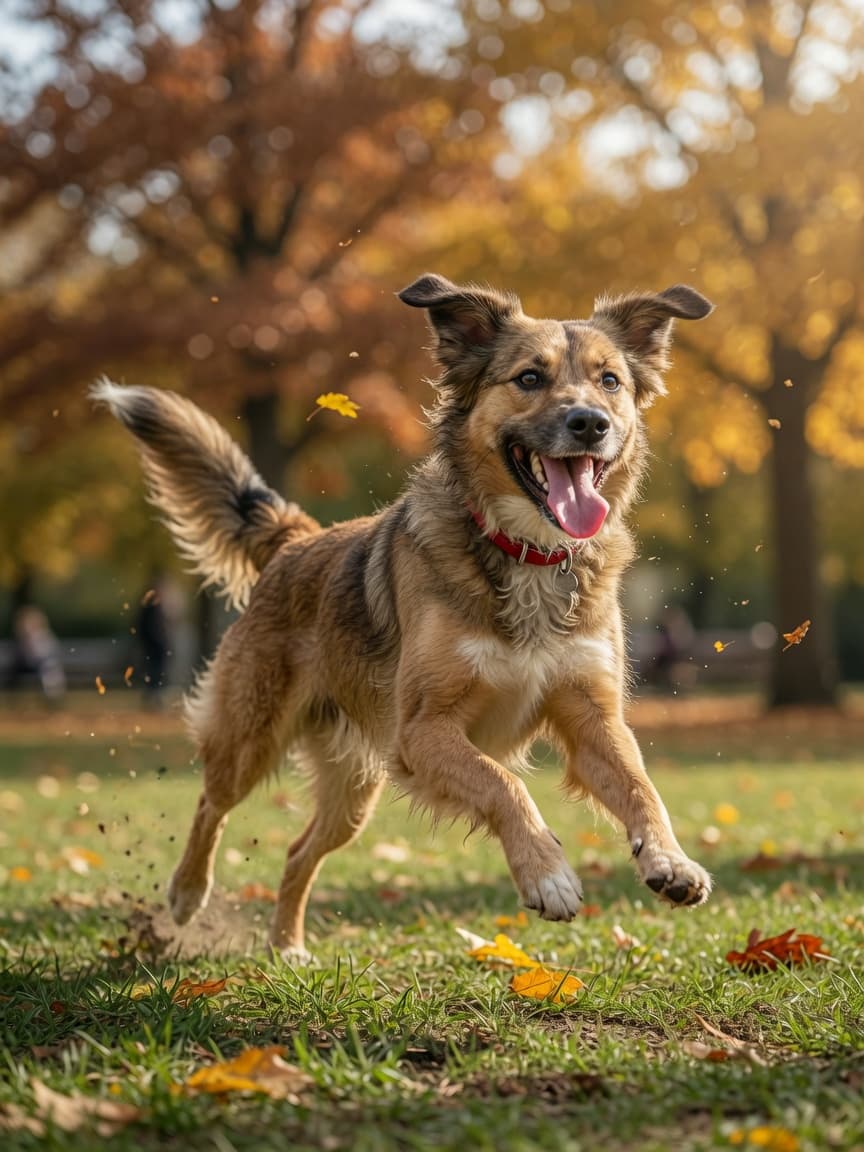
Why Recall Is the Most Important Skill Your Dog Can Learn
Of all the behaviours you will ever teach your dog, recall — coming back when called — is the one that matters most. A solid recall can prevent your dog from running into traffic, approaching an aggressive dog, eating something dangerous, or disappearing over the horizon. It is, in the most literal sense, a life-saving skill. Yet it is also one of the most commonly undertrained, often because owners do not realise just how much consistent effort a truly reliable recall requires.
Choose Your Recall Word Carefully
You can use "come", "here", or any word you choose — but pick one and stick to it. Many trainers recommend selecting a unique word that is not used in everyday conversation, so it does not get diluted through casual use. Whatever word you choose, it must always predict something wonderful. Recall must be the most exciting cue in your dog's vocabulary.
A whistle recall is an excellent alternative or addition to a verbal cue. The classic signal is three short pips on a dog whistle. Whistles carry further than the human voice, are consistent in tone regardless of your emotional state, and dogs tend to respond very well to them. Whichever cue you use, introduce it only once your dog is already coming towards you reliably in early training — attach the cue to the behaviour, not the hope of the behaviour.
The Golden Rule: Recall Always Predicts Good Things
This is the single most important principle and the one most often violated. Recall must never be used to end something your dog is enjoying without immediate compensation. If you call your dog back every time you are about to put their lead on and go home, they will quickly learn that recall means the end of fun — and they will start to avoid it. Similarly, recall must never lead to anything unpleasant. Even if your dog has done something you are unhappy about, if they come back to you when called, you reward them. Always. Without exception.
Stage One: Indoors
Begin in the lowest distraction environment possible — your hallway or living room. Crouch down, use an excited, happy voice, and call your dog to you. The moment they arrive, produce the highest value treat you own and make a genuine celebration of their arrival: enthusiastic praise, petting if your dog enjoys it, and the reward. Practise this multiple times a day in short sessions. The aim is to make coming to you the best thing that can happen in your dog's day.
Stage Two: The Garden
Once your dog is flying back to you indoors, move the training outside into an enclosed garden or yard. There are more distractions here — smells, sights, sounds — so expect a slightly slower response at first. Use a higher value reward than you used indoors. Call your dog while they are mildly distracted and reward generously when they come. Gradually increase the level of distraction before calling.
Stage Three: The Long Line
Before moving into open or public spaces, introduce a long training line — typically five to ten metres in length, attached to a harness rather than a collar. The long line is a safety net, not a tool for dragging your dog back. It simply prevents your dog from self-rewarding by running off while you are building the behaviour. Let the line trail loosely on the ground and only pick it up if your dog is about to move beyond a safe distance. Practise recalls on the long line in parks and fields, gradually increasing the level of distraction around you.
The Party Recall
The party recall, sometimes called a jackpot recall, is used to build incredible enthusiasm for the cue. When your dog arrives back to you, immediately produce a large handful of small treats and feed them one at a time in rapid succession over twenty to thirty seconds, with animated praise throughout. Reserve this for training sessions rather than every recall, so it retains its impact. Dogs who have experienced a party recall develop a Pavlovian excitement for the recall cue itself.
Recall Games
Training recall does not have to feel like training. Round-robin recalls between two or more people, hide and seek, and chase games (where you run away from your dog so they chase you) all build the habit of coming towards humans as something inherently rewarding. These games are especially valuable for puppies, who can have their recall foundation laid entirely through play.
Never Punish a Dog Who Returns
If your dog takes five minutes to come back when called, reward them when they arrive. If they come back muddy, covered in fox poo, or carrying something disgusting, reward them when they arrive. The moment between arriving back to you and the reward is all your dog connects with the cue. Expressing frustration at a slow return poisons the recall for the future. What you are rewarding is the act of coming back, not the time taken to do it.
Maintaining Recall Throughout Your Dog's Life
Recall is not a behaviour you train once and then have forever. It requires regular reinforcement throughout your dog's life. Adolescent dogs in particular often experience a temporary regression in recall as they become more interested in the world around them — this is normal and not a sign that all your training has been wasted. Simply return to more controlled practice with higher value rewards and shorter distances.
- Continue to reward recall generously even once it is well established
- Vary the reward — sometimes treats, sometimes a game with a toy, sometimes an enthusiastic fuss
- Never call your dog when you know they are unlikely to come — use the long line instead and set them up to succeed
- Practice regularly in new environments to proof the behaviour across contexts
A recall built on positive reinforcement, consistent practice, and genuine enthusiasm from you is the most reliable recall there is. The APBC and IMDT consistently emphasise that reward-based recall training produces dogs who come back willingly, not dogs who come back fearfully — and a willing dog is always a faster, safer dog.