
Parrots as Pets in Europe: What You Need to Know Before You Begin
Parrots are among the most intelligent and emotionally complex animals kept as pets. In Europe, they have a dedicated and growing community of owners who value the deep bonds these birds can form with their human families. However, parrots are not low-maintenance companions. They require specific housing, a carefully balanced diet, regular mental stimulation and access to specialist veterinary care. Before bringing a parrot home, every prospective owner should understand both the practical demands and the legal obligations that come with keeping these birds in the European Union and the wider European region.
Popular Parrot Species Kept in Europe
Several species are commonly kept as pets across Europe, each with distinct personalities and care requirements.
- Amazon parrots are medium to large birds known for their vocal ability and confident temperament. They can be territorial and require experienced handling.
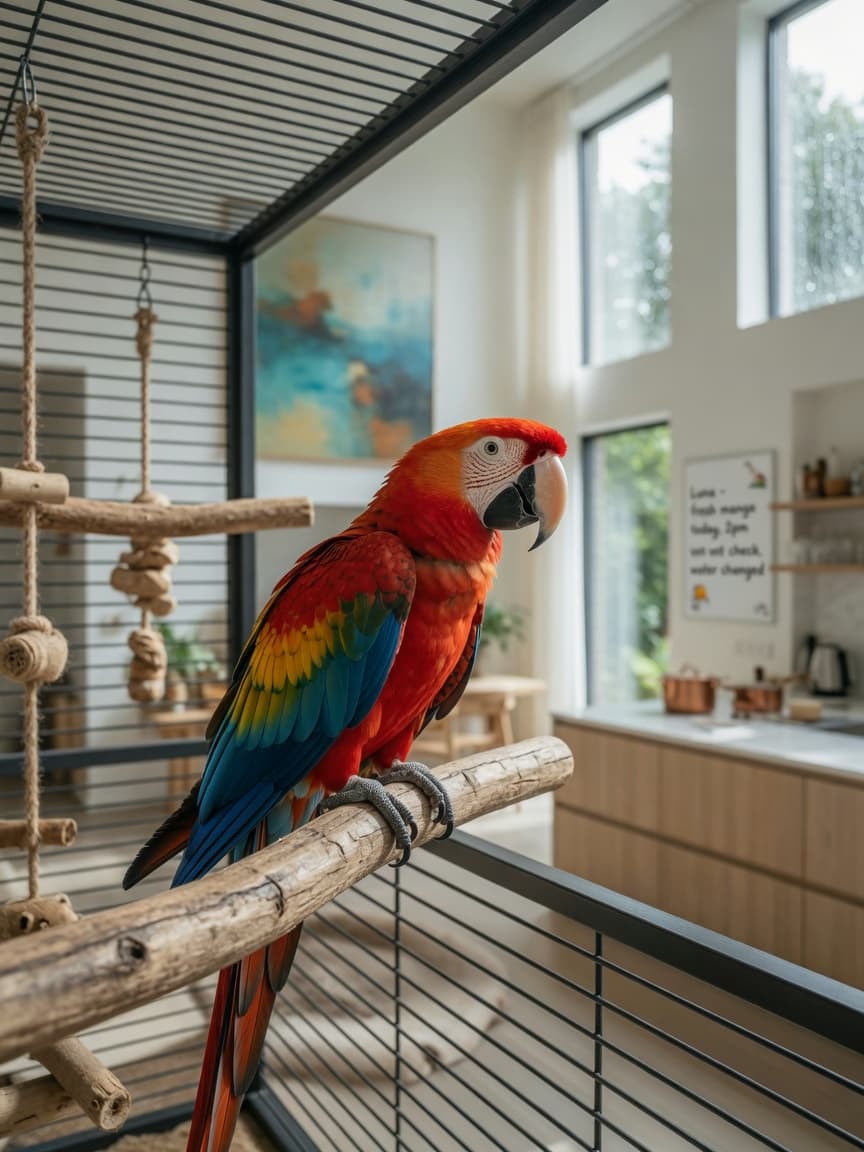
- Macaws are the largest commonly kept parrots. They are highly social and intelligent but demand enormous amounts of space, stimulation and owner commitment.
- Conures are smaller, playful birds that form strong bonds with their owners. They tend to be noisy but are well suited to attentive households.
- Caiques are compact, energetic parrots with bold personalities. They love to play and can be stubborn, making early socialisation important.
- Eclectus parrots are visually striking, with males and females appearing so different they were once classified as separate species. They have specific dietary needs and are generally quieter than other parrot types.
EU Import Regulations and CITES Status
All prospective parrot owners in Europe must understand the legal framework governing the ownership and import of these birds. EU Regulation 318/2007 governs the import of captive birds into the European Union and sets out strict health and biosecurity requirements. Birds imported from outside the EU must enter through approved border inspection posts and must be accompanied by the correct documentation. Purchasing a parrot without verified legal provenance can result in seizure of the animal and prosecution.
The Convention on International Trade in Endangered Species of Wild Fauna and Flora, known as CITES, classifies parrots under two main appendices. Appendix I covers species considered most at risk, where commercial trade is effectively prohibited. Appendix II covers species where trade is permitted but must be controlled through licensing and documentation. Many commonly kept parrots, including hyacinth macaws, are listed under Appendix I, meaning ownership and transfer require special permits. Species such as the green-cheeked conure fall under Appendix II. Before purchasing any parrot, owners should verify the CITES status of that species and ensure the breeder or seller provides full documentation including Article 10 certificates where applicable.
Psittacosis: A Zoonotic Disease Risk You Must Not Ignore
Psittacosis is a bacterial infection caused by Chlamydia psittaci. It can be transmitted from parrots and other birds to humans, making it a zoonotic disease of genuine public health importance. In birds, symptoms may include nasal discharge, lethargy, ruffled feathers and breathing difficulties, but infected birds can also appear outwardly healthy while still shedding the bacteria.
In humans, psittacosis can cause flu-like symptoms, fever, headache and severe respiratory illness. It is treatable with antibiotics but can be serious if not diagnosed promptly. Every parrot owner should inform both their GP and their veterinarian about their bird ownership if they become unwell. This allows clinicians to consider psittacosis as a diagnosis and arrange appropriate testing. Routine hygiene, including handwashing after handling birds or cleaning cages, significantly reduces transmission risk.
Housing Requirements for Parrots
The cage or aviary you provide for your parrot must allow it to move freely, spread its wings fully and engage in natural behaviours. German animal welfare guidelines are widely regarded as one of the most thorough benchmarks in Europe for minimum cage sizes for parrots. For medium-sized parrots such as Amazons, the German guidelines recommend a minimum internal cage volume that allows full wing extension in all directions, with a length of at least twice the bird's wingspan. For large parrots such as macaws, an indoor aviary of at least two metres in height is strongly advised.
Bar spacing must be appropriate to the species to prevent injury or escape. Horizontal bars are preferable as they allow climbing. Natural wood perches of varying diameters are essential to maintain foot health. The cage should be positioned away from draughts, direct sunlight and kitchen fumes, as parrots are highly sensitive to airborne toxins including non-stick cookware fumes from polytetrafluoroethylene-coated pans.
Diet: Getting Nutrition Right
A seed-only diet is insufficient for parrots and contributes to obesity, vitamin A deficiency and shortened lifespan. Formulated pellets should form the foundation of a parrot's diet. Harrison's Bird Foods and Zupreem are two well-regarded brands available in Europe, offering species-appropriate formulations that provide balanced nutrition without the selective feeding behaviour that seed mixes encourage.
Fresh foods should be offered daily alongside pellets. Leafy greens such as kale, spinach and rocket are beneficial, as are cooked legumes, sweet potato and a variety of fruits in moderation. However, certain foods are toxic to parrots and must never be offered under any circumstances.
- Avocado contains persin, a compound that is toxic to parrots and can cause rapid deterioration and death.
- Chocolate contains theobromine and caffeine, both of which are dangerous to birds.
- Onion and garlic can cause digestive disturbance and anaemia in parrots.
- Xylitol, an artificial sweetener found in many human food products, is highly toxic and must be kept entirely out of reach.
Mental Enrichment and Behavioural Welfare
Parrots are highly intelligent animals that require consistent mental stimulation to remain psychologically healthy. Without adequate enrichment, parrots can develop stereotypic behaviours including feather plucking, repetitive movements and aggression. Foraging toys that require the bird to work for its food mimic natural feeding behaviour and provide significant mental engagement. Rotating toys regularly prevents habituation and keeps the bird interested in its environment.
Social interaction is equally important. Parrots are flock animals by nature and benefit from daily positive interaction with their owners or, where appropriate, with other birds. Training using positive reinforcement not only builds the bond between owner and bird but also provides cognitive stimulation and can reduce problem behaviours over time.
Finding Veterinary Care and Supplies in Europe
Parrots require veterinary care from a clinician with genuine avian expertise. General small animal vets may not have the specialist knowledge needed to diagnose and treat parrot health problems accurately. In Europe, the European College of Zoological Medicine, known as ECZM, certifies specialists in avian medicine. Seeking a referral to an ECZM-recognised avian specialist is strongly recommended for complex health issues or routine health screening of newly acquired birds. Finding an avian vet before your parrot becomes unwell is an important part of responsible ownership.
For supplies including cages, perches, foraging toys and specialist foods, Zooplus is a widely available online retailer that delivers across much of Europe and stocks a reasonable range of parrot-appropriate products. Owners are encouraged to compare products carefully and prioritise enrichment and nutritional quality when making purchasing decisions.
Parrot ownership in Europe is a long-term commitment. Many species live for several decades, and the relationship between owner and bird requires ongoing attention, investment and education. Understanding the legal, nutritional and welfare requirements from the outset gives both you and your parrot the best possible foundation for a healthy and fulfilling life together.