
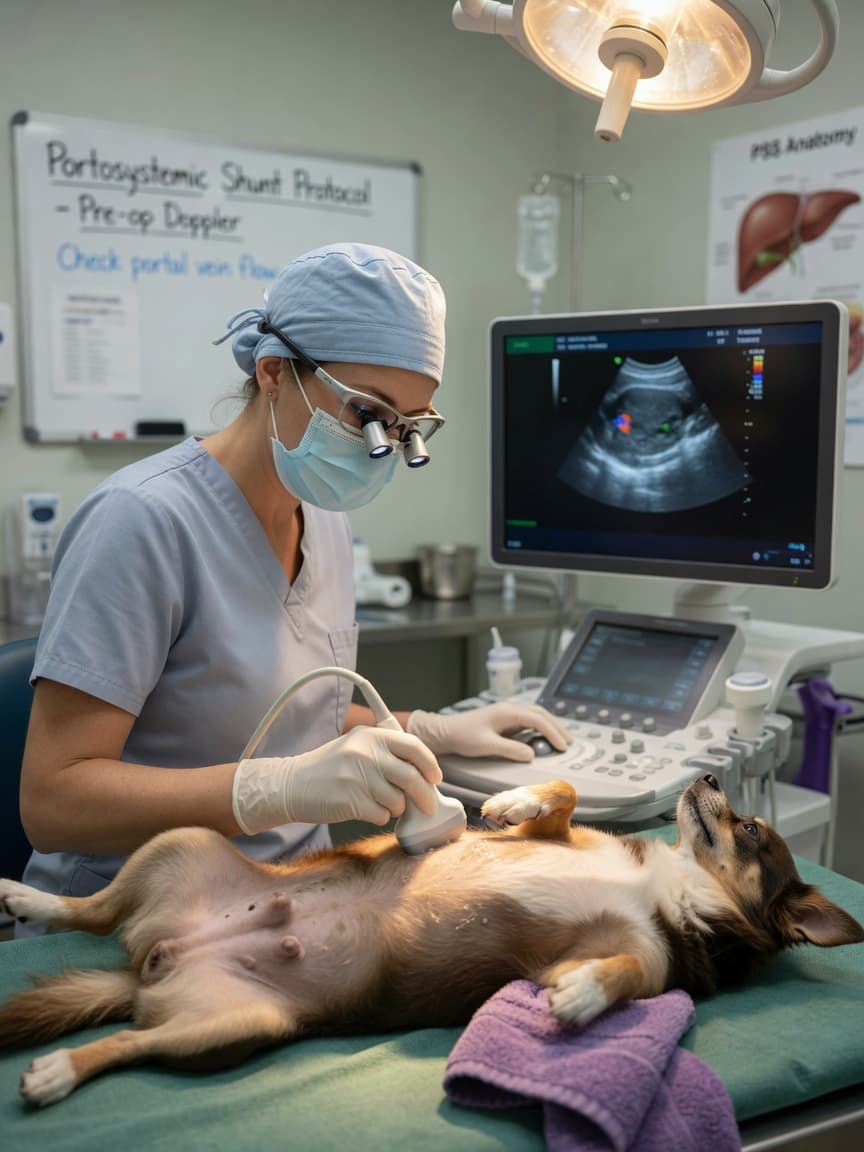
What Is a Portosystemic Shunt in Dogs?
A portosystemic shunt (PSS), also commonly called a liver shunt, is an abnormal blood vessel that allows blood to bypass the liver entirely. Under normal circumstances, blood from the digestive tract travels through the portal vein to the liver, where toxins, ammonia, and other waste products are filtered out before the blood circulates to the rest of the body. When a shunt is present, this filtering step is skipped, and harmful substances enter the general circulation.
The consequences of this can be wide-ranging and, if left untreated, life-threatening. The liver also receives far less blood than it requires to function and grow properly, which leads to underdevelopment of liver tissue over time.
Congenital Versus Acquired Shunts
Portosystemic shunts fall into two broad categories: congenital and acquired.
- Congenital shunts are present from birth. They arise from abnormal vascular development in the foetus and are by far the most common type seen in dogs. A congenital shunt may be located inside the liver (intrahepatic) or outside it (extrahepatic). Extrahepatic shunts are more common in small and toy breeds, whilst intrahepatic shunts tend to occur in large and giant breeds.
- Acquired shunts develop later in life, usually as a consequence of severe liver disease such as cirrhosis. When the pressure inside the portal vein rises due to liver damage, the body attempts to relieve that pressure by reopening foetal blood vessels. Acquired shunts are typically multiple and are harder to manage than congenital ones.
Which Dog Breeds Are Most Affected?
Congenital portosystemic shunts have a strong breed predisposition. Small and toy breeds that are most commonly diagnosed include the Yorkshire Terrier, Maltese, Pug, and Shih Tzu. These dogs tend to develop extrahepatic shunts. Amongst large breeds, the Irish Wolfhound has one of the highest rates of congenital intrahepatic shunts of any breed. Cairn Terriers and Miniature Schnauzers also appear in the literature with above-average frequency.
If you own one of these breeds, it is worth being aware of the signs, particularly if your puppy seems slower to develop than expected or shows any unusual neurological behaviour.
Recognising the Symptoms
Hepatic Encephalopathy
One of the most alarming presentations of a portosystemic shunt is hepatic encephalopathy, a neurological syndrome caused by the accumulation of ammonia and other toxins in the brain. Affected dogs may show:
- Confusion or disorientation, sometimes appearing to stare blankly into space
- Head pressing against walls or furniture
- Circling or walking in repetitive patterns
- Seizures, which may range from brief episodes to prolonged fits
- Bizarre or uncharacteristic behaviour, including apparent blindness or sudden aggression
These episodes are often triggered or worsened after eating a protein-rich meal, because the digestion of protein produces ammonia. Some owners notice that symptoms are at their worst in the hours following feeding.
Other Common Signs
Beyond neurological symptoms, dogs with a portosystemic shunt frequently show signs that are easier to overlook, particularly in puppies where slow development may not immediately raise concern:
- Stunted growth or failure to gain weight despite a normal or increased appetite
- Excessive thirst and urination
- Poor muscle condition and a generally unthrifty appearance
- Urinary problems, including the formation of ammonium urate crystals or stones, which can cause blood in the urine, straining, or recurrent urinary tract infections
- Vomiting and diarrhoea
- Increased salivation, particularly in cats, though it also occurs in dogs
Diagnosis: The Bile Acids Test
When a portosystemic shunt is suspected, the bile acids test is the most important diagnostic tool. Bile acids are produced in the liver and excreted into the digestive tract to aid fat digestion. In a healthy animal, the liver efficiently recaptures bile acids as they return via the portal vein. When a shunt is present, the liver does not process this blood, and bile acid levels in the bloodstream rise.
The test is performed in two stages: a blood sample is taken after a period of fasting, and then a second sample is taken two hours after a small meal. Significantly elevated post-meal bile acid levels strongly suggest the presence of a shunt. Additional imaging such as ultrasound, CT angiography, or nuclear scintigraphy is then used to locate the shunt and plan treatment. A full blood panel may also reveal low blood urea nitrogen, low albumin, mildly elevated liver enzymes, and small liver size.
Treatment Options
Surgical Intervention
Surgery is the treatment of choice for most dogs with a single congenital portosystemic shunt. The goal is to gradually reduce and eventually close the abnormal vessel, allowing the liver to begin receiving normal portal blood flow and to regenerate over time.
Two commonly used surgical techniques are:
- Ameroid constrictor: A ring made from casein protein enclosed in stainless steel is placed around the shunting vessel. The casein swells gradually as it absorbs fluid, slowly occluding the vessel over several weeks. This gradual closure reduces the risk of a sudden and dangerous rise in portal pressure.
- Cellophane banding: A band of cellophane is placed loosely around the shunt and secured. The cellophane causes an inflammatory reaction that leads to progressive fibrosis and closure of the vessel over a period of weeks to months.
Both techniques allow the liver and the rest of the portal circulation time to adapt to the increasing blood flow. The prognosis following surgery is good, particularly when intervention occurs early, before significant liver damage has occurred. Many dogs go on to live normal, healthy lives after successful surgery.
Medical Management
Not every dog is a suitable candidate for surgery. Those with acquired multiple shunts, very poor liver function, or concurrent health problems may need to be managed medically instead. Medical management does not correct the underlying problem but aims to control symptoms and maintain quality of life.
Key elements of medical management include:
- A low protein diet, ideally using highly digestible protein sources, to reduce the ammonia load reaching the circulation. Prescription hepatic diets are available from veterinary practices.
- Lactulose, a laxative syrup that reduces ammonia absorption from the gut and helps to trap and expel it in the stool.
- Antibiotics such as metronidazole or neomycin, which reduce the population of ammonia-producing bacteria in the intestine.
Regular monitoring through bile acids tests and blood panels helps to track liver function and adjust treatment as needed. Even medically managed dogs can have a reasonable quality of life for extended periods when their condition is carefully monitored.
When to See Your Vet
If your dog is a toy or small breed puppy that seems smaller than expected, drinks and urinates excessively, or shows any episodes of confusion, seizures, or head pressing, do not delay in seeking veterinary advice. Portosystemic shunts are diagnosable conditions, and with the right intervention, the outlook for many affected dogs is genuinely positive. Early diagnosis and prompt treatment give your dog the best possible chance of a full recovery.