
What Can I Give My Dog For Tooth Pain Relief? 5 Solutions
Watching your dog struggle with tooth pain is genuinely distressing. Whether your pup is pawing at their mouth, drooling excessively, or reluctant to eat their meals, dental discomfort significantly impacts their quality of life. As a veterinary nutritionist, I've seen countless dogs suffer unnecessarily when simple, evidence-based solutions could ease their suffering. This guide explores five practical approaches to tooth pain relief, from immediate comfort measures to longer-term solutions that address the root cause.
1. Over-the-Counter Pain Relief Medications
Veterinary-recommended painkillers offer immediate relief whilst you arrange professional dental care. The most commonly prescribed options include:
- NSAIDs (Non-Steroidal Anti-Inflammatory Drugs): Medications like carprofen and meloxicam reduce both pain and inflammation. These require a veterinary prescription and work best when started early.
- Paracetamol-based products: Some over-the-counter formulations are safe for dogs, though dosing must be precise. Always consult your vet first.
- Codeine-containing preparations: Available by prescription, these provide stronger pain relief for severe cases.
Never administer ibuprofen, naproxen, or aspirin without explicit veterinary guidance, as these can cause gastrointestinal damage in dogs.
2. Topical Numbing Gels and Sprays
Local anaesthetic products provide temporary surface relief within minutes. Benzocaine-containing gels create a numbing effect that can help your dog eat more comfortably. These work best for minor discomfort or whilst awaiting dental treatment. Apply directly to the affected area following product instructions, though be aware that dogs often find the taste unpleasant and may drool excessively afterward.
Whilst helpful for short-term comfort, topical solutions address symptoms rather than underlying problems like infection or decay.
3. Dietary Modifications and Soft Foods
Adjusting your dog's diet immediately reduces tooth pain during meals:
- Switch to softer kibble or soak dry food in warm water until it reaches a porridge-like consistency
- Offer specialist wet foods or high-quality tinned options
- Provide bone broth (unsalted) mixed with food for added nutrition and palatability
- Offer cooling foods like plain yoghurt or frozen broth cubes to soothe inflamed tissues
- Temporarily avoid hard treats, bones, and dental chews
This compassionate approach ensures your dog continues receiving proper nutrition whilst experiencing pain relief. However, dietary changes alone won't resolve the underlying dental disease.
4. Natural Remedies and Home Comfort Measures
Several evidence-supported natural approaches complement conventional treatment:
- Warm compresses: Gently applying warmth to the jaw area reduces muscle tension and pain.
- Turmeric: This spice contains curcumin, a natural anti-inflammatory. Mix a small amount into food (consult your vet on appropriate dosing).
- Coconut oil: Its antimicrobial properties may help, and dogs often enjoy the taste.
- Adequate rest: Limit vigorous play and chewing activities that exacerbate pain.
Whilst these measures provide supportive care, they're not substitutes for professional dental treatment.
5. Professional Dental Treatment
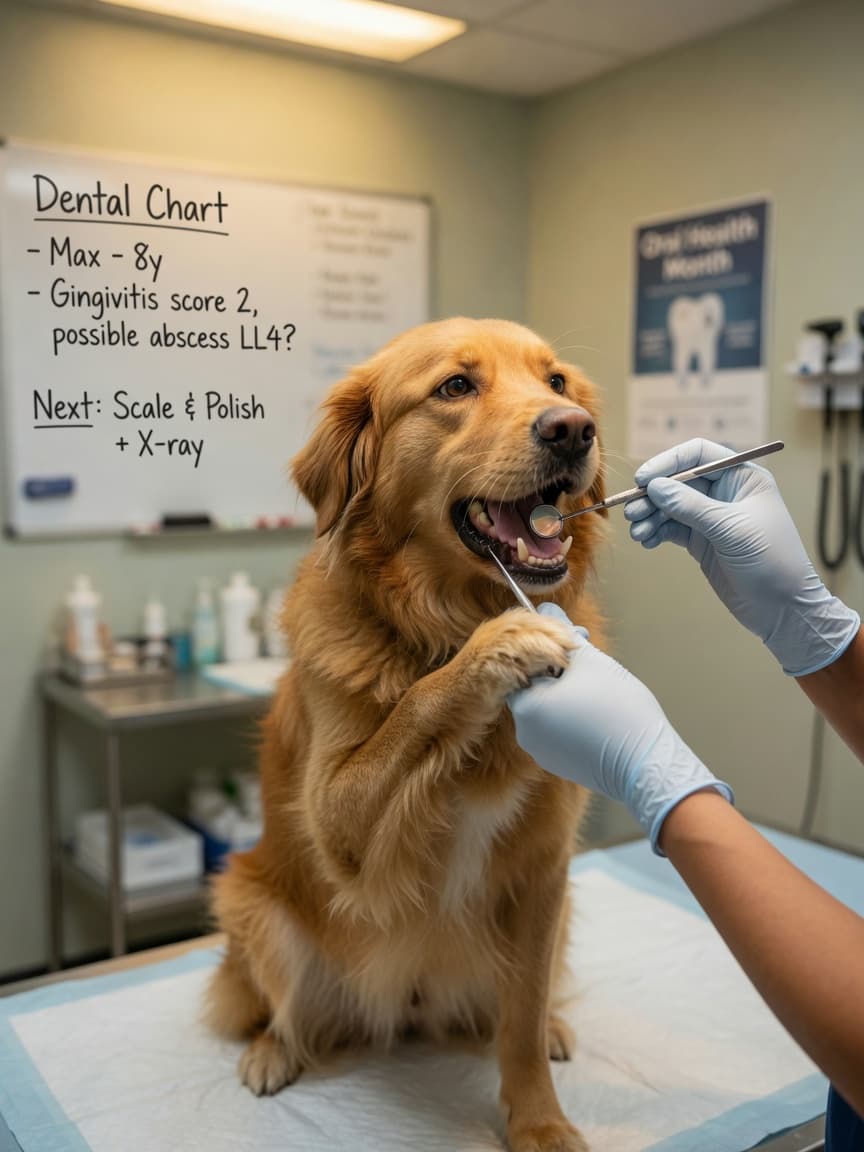
This is the definitive solution. Veterinary dental care addresses the root cause—whether infection, decay, or gum disease—rather than merely masking symptoms. Professional cleaning under anaesthesia removes tartar and plaque, whilst diseased teeth may require extraction. Most dogs experience dramatic pain relief within days of treatment.
Prevention through regular tooth brushing and professional check-ups minimises future problems.
Key Takeaways
Immediate relief comes through pain medications, topical solutions, and dietary adjustments, but these are temporary measures. Professional veterinary dental care remains essential for long-term health and genuine pain resolution. Contact your vet promptly rather than relying solely on home remedies—early intervention prevents progression to serious infections. Combined with preventative care at home, your dog can enjoy a lifetime of healthy, pain-free teeth.