
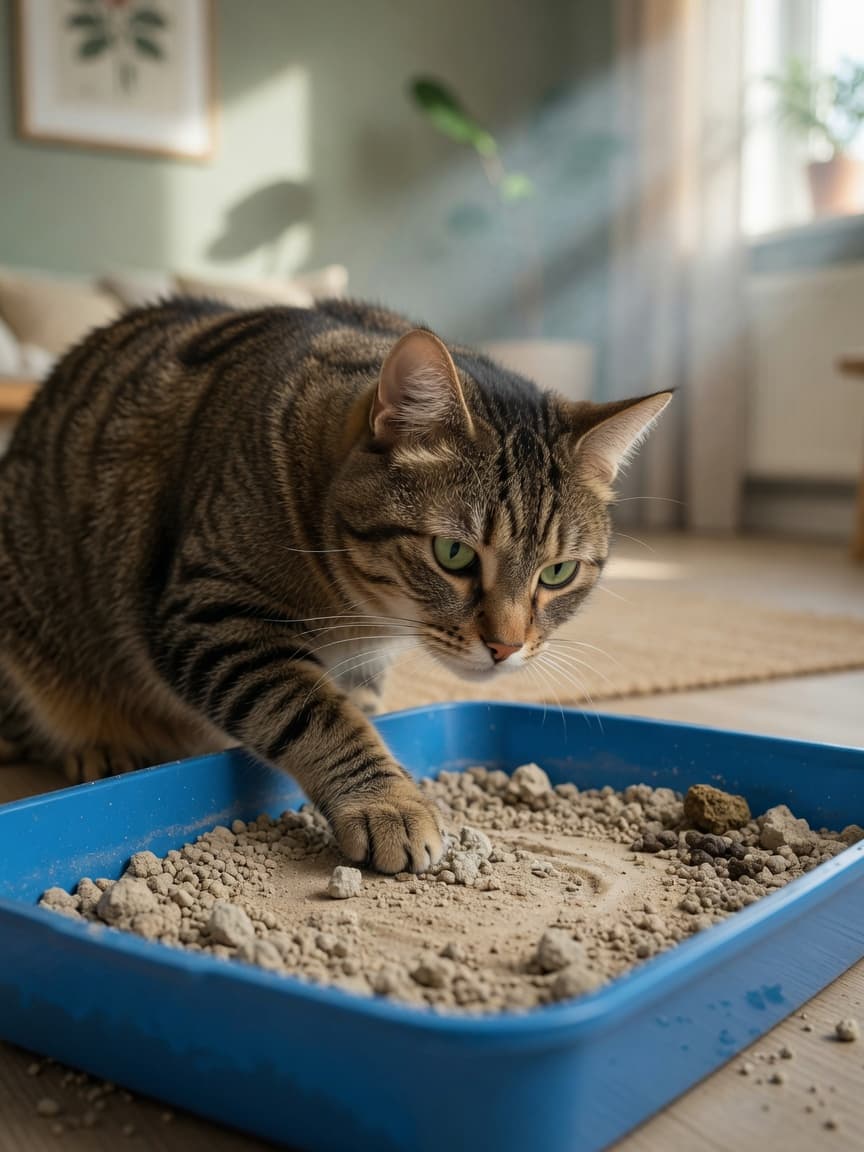
Why Cats Eat Litter and How to Stop It
Discovering your beloved feline companion munching on cat litter can be alarming for any pet owner. While it might seem like odd behaviour, cats eating litter is more common than you'd think, and it usually signals an underlying issue that needs attention. Whether it's a sign of nutritional deficiency, medical concern, or behavioural problem, understanding the reasons behind this habit is the first step to addressing it effectively.
Understanding Why Cats Eat Litter
Cats eat litter for several reasons, and identifying the specific cause is crucial for finding the right solution. The behaviour, known as pica when it involves non-food items, can range from occasional nibbling to compulsive consumption.
- Nutritional deficiencies: Cats lacking essential minerals, particularly iron or certain B vitamins, may consume litter to compensate. This is especially common in cats with poor-quality diets or underlying health conditions affecting nutrient absorption.
- Medical conditions: Thyroid disorders, diabetes, and gastrointestinal issues can trigger litter eating. Anaemia and parasitic infections also commonly cause this behaviour.
- Stress and anxiety: Changes in their environment, new pets, or household disruptions can cause cats to eat litter as a self-soothing mechanism.
- Boredom and curiosity: Young kittens and indoor cats with insufficient mental stimulation may explore litter as entertainment.
- Litter texture preference: Some cats are attracted to specific litter types, particularly clay-based or clumping varieties that mimic natural digging substrates.
Health Risks of Litter Consumption
Eating litter isn't harmless. Clay litter can cause intestinal blockages, whilst dust inhalation irritates respiratory passages. Non-clumping varieties may accumulate in the digestive tract, and some litters contain additives and chemicals that aren't safe for ingestion. Persistent litter eating can lead to constipation, vomiting, and in severe cases, requires veterinary intervention.
When to Consult Your Veterinarian
Before attempting home solutions, schedule a veterinary appointment. Your vet should:
- Conduct a thorough physical examination
- Perform blood work to check for anaemia, thyroid dysfunction, and nutrient deficiencies
- Screen for parasites and gastrointestinal disorders
- Review your cat's diet for nutritional adequacy
This professional assessment rules out medical causes and provides a solid foundation for treatment.
Practical Solutions to Stop Litter Eating
Once medical issues are excluded, these strategies can help:
- Switch litter types: Trial paper-based, pine, or crystal litters that are less appealing to eat and safer if consumed.
- Improve litter box management: Scoop daily to reduce contamination and make the box less attractive as a food source. Ensure multiple boxes are available (one per cat, plus one extra).
- Upgrade diet quality: Feed high-quality, species-appropriate cat food rich in essential nutrients. Consult your vet about supplementation if deficiencies are identified.
- Reduce stress: Provide environmental enrichment through interactive toys, climbing structures, window perches, and dedicated playtime.
- Create barriers: Use litter box covers or furniture to limit access, and consider covered boxes that discourage lingering.
- Supervise and redirect: When you catch your cat near the litter box, gently redirect them to appropriate activities and reward alternative behaviours.
Key Takeaways
Cats eating litter requires a systematic approach combining veterinary expertise and environmental management. Start with a professional health check, address any nutritional gaps, and implement practical modifications to your litter box setup and your cat's enrichment routine. Most cases improve significantly once underlying causes are identified and resolved. With patience and consistency, you can help your feline friend break this concerning habit and maintain better overall health.