
Why Do Cats Lose Whiskers?
If you've noticed a stray whisker on your cat's bed or found one stuck to your jumper, you've probably wondered whether this is cause for concern. Whisker loss in cats is actually quite common and usually nothing to worry about. However, understanding why cats shed their whiskers can help you determine when it's normal shedding and when you should consult your veterinarian. Let's explore this fascinating feline feature and what it means when your cat loses them.
What Are Whiskers and Why Does Your Cat Have Them?
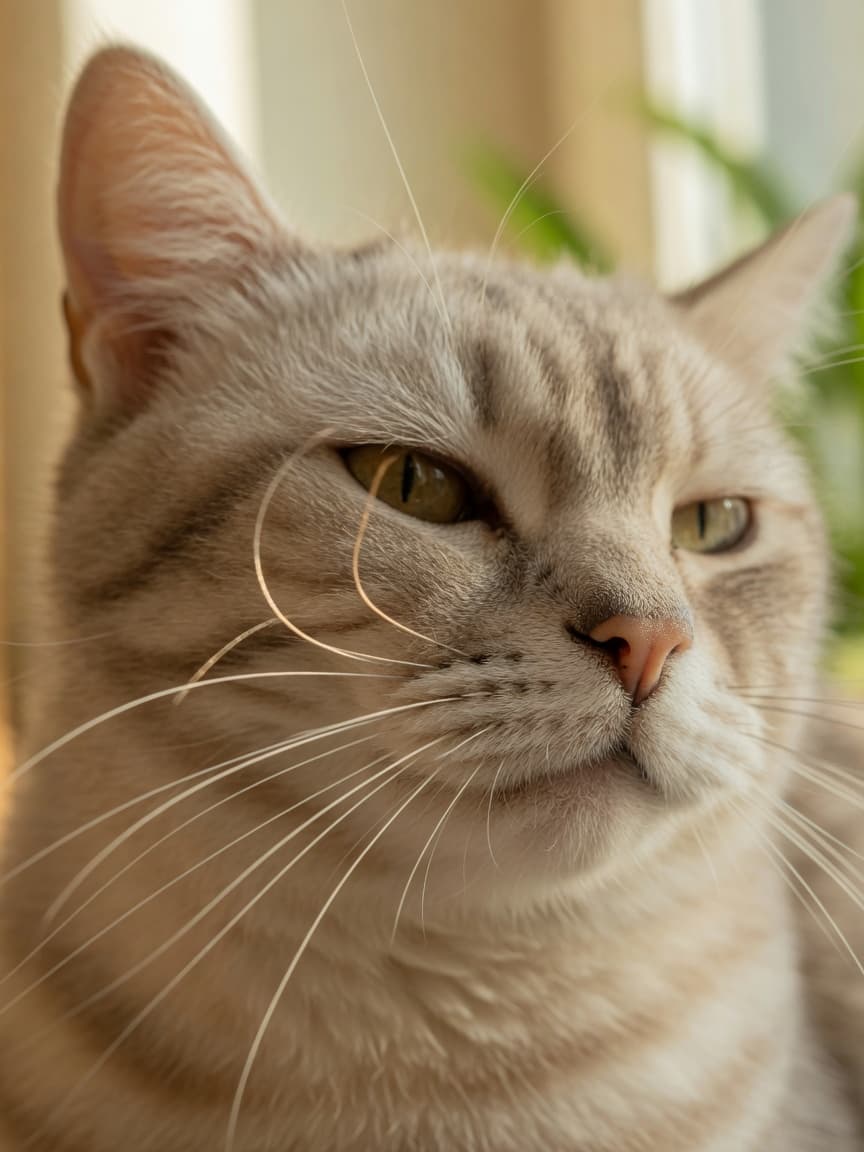
Whiskers, or vibrissae as they're scientifically known, are far more than just facial decoration. These specialised hairs are deeply rooted in your cat's skin and connected to highly sensitive nerve endings. They function as sophisticated sensory organs, helping your cat navigate their environment, judge distances, and detect changes in air currents. Each whisker is about three times thicker than regular fur and extends several centimetres beyond your cat's face, creating an invisible boundary that helps them understand spatial relationships.
Normal Whisker Shedding: A Natural Process
Just like the hair on your cat's body, whiskers have a natural growth cycle and will eventually shed and regrow. This is completely normal and nothing to be concerned about. Cats typically lose a whisker here and there throughout the year as part of their regular grooming process and natural hair renewal. You might notice a single whisker on the sofa or discover one whilst brushing your cat—this is entirely healthy behaviour.
The regrowth process for whiskers is similar to regular fur, though whiskers may take slightly longer to fully develop to their previous length and sensitivity.
When Whisker Loss May Indicate a Problem
Whilst occasional whisker loss is normal, there are circumstances where excessive whisker loss warrants veterinary attention:
- Allergic reactions: Cats with food or environmental allergies may experience itching that leads to whisker loss or damage
- Fungal or bacterial infections: Conditions like ringworm or dermatitis can affect the hair follicles, including whiskers
- Mites or parasites: Demodex or other parasitic infestations can cause facial irritation and whisker loss
- Stress and over-grooming: Anxious cats may groom excessively, damaging their whiskers in the process
- Trauma or injury: Burns, fights, or accidents can result in whisker damage
- Poor nutrition: Insufficient protein or essential nutrients may weaken hair follicles
How to Tell If Whisker Loss Is Normal
Normal whisker shedding is sporadic and isolated. You might find one or two whiskers occasionally, but you shouldn't notice your cat's whisker pad becoming noticeably bare or thinning. If you observe the following, it's likely normal:
- Finding individual whiskers during grooming or around your home
- No inflammation or redness around the whisker follicles
- Your cat shows no signs of stress or discomfort
- Other coat and skin health appears normal
- Your cat's behaviour and appetite remain unchanged
What You Should Do If You're Concerned
If you notice large patches of missing whiskers, visible redness, swelling, or if your cat seems uncomfortable or is over-grooming, contact your veterinarian. They can examine your cat's skin and whisker follicles to determine whether there's an underlying health issue that requires treatment. Bring information about any other symptoms you've noticed, such as itching, changes in appetite, or behavioural changes.
Key Takeaways
Finding the occasional whisker is a normal part of cat ownership and shouldn't cause alarm. However, understanding the difference between normal shedding and problematic whisker loss helps you stay attuned to your cat's health. Keep an eye on your cat's overall grooming habits, skin condition, and behaviour. If whisker loss seems excessive or is accompanied by other symptoms, seek veterinary advice promptly. Your cat's whiskers are vital sensory tools, and maintaining their health is an important part of responsible pet care.