
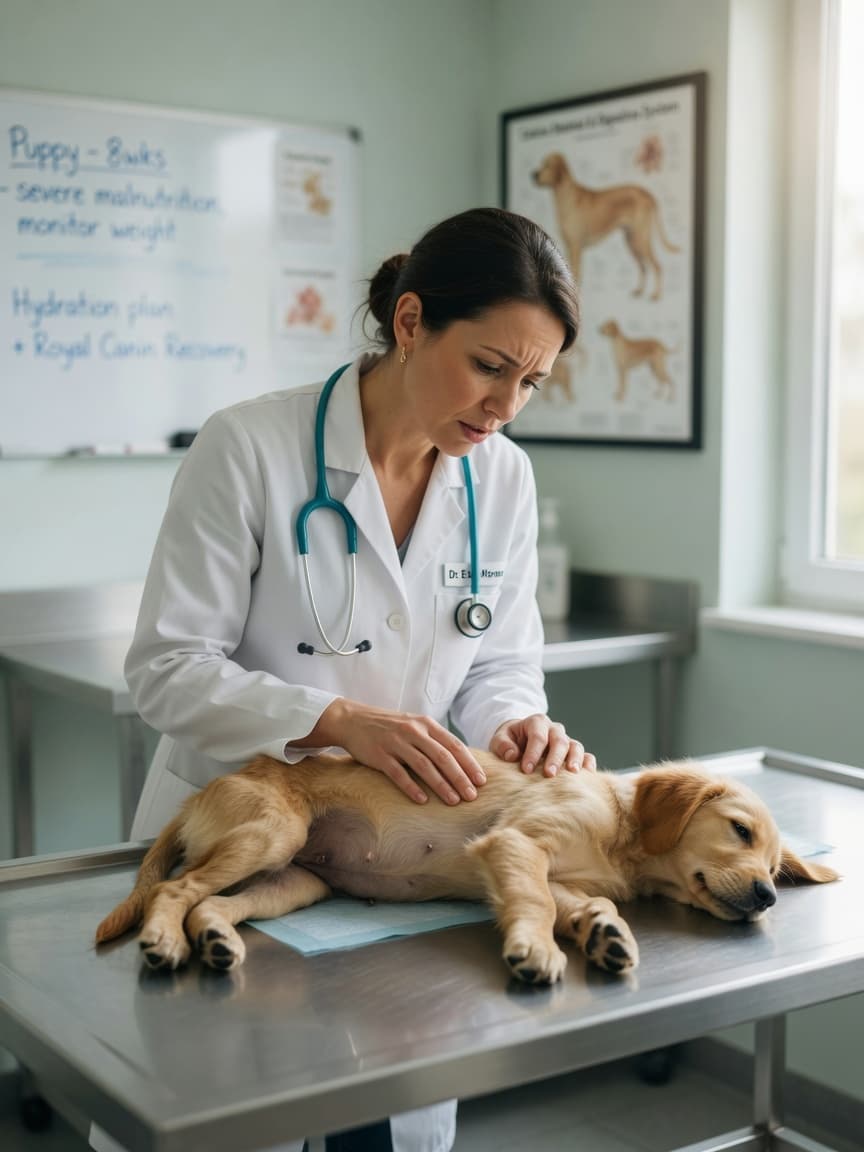
Why Is My Puppy Vomiting and Underweight? Vet-Verified Causes, Treatment & FAQ — Dogster
Discovering that your puppy is both vomiting and underweight can be deeply concerning for any pet owner. These symptoms often appear together and may signal anything from minor dietary issues to more serious underlying health conditions. As a certified animal nutritionist, I've worked with countless puppies displaying these troubling signs, and I can assure you that understanding the root cause is the first step toward getting your young companion back to health. This comprehensive guide will walk you through the most common causes, what your vet might recommend, and practical steps you can take at home.
Common Causes of Puppy Vomiting and Underweight Condition
When a puppy vomits frequently and fails to gain weight appropriately, several culprits may be responsible. The combination of these symptoms often suggests a digestive or nutritional absorption problem rather than a single isolated issue.
- Parasitic Infections: Internal parasites like roundworms, hookworms, and giardia are among the most frequent causes in puppies. These parasites consume nutrients from your puppy's food, leading to malabsorption and weight loss, whilst also triggering vomiting and diarrhoea.
- Dietary Indiscretion: Puppies are curious creatures who often eat inappropriate items. Foreign body obstruction or sensitivity to a particular food ingredient can cause repeated vomiting.
- Food Allergies or Intolerances: Certain proteins, grains, or additives may trigger vomiting and digestive upset, preventing proper nutrient absorption.
- Gastroenteritis: Inflammation of the stomach and intestines, caused by bacterial or viral infections, can lead to both vomiting and weight loss.
- Pancreatic Insufficiency: Exocrine pancreatic insufficiency (EPI) impairs the puppy's ability to digest food properly, resulting in malabsorption and weight loss despite good appetite.
- Liver or Kidney Disease: Though less common in puppies, these conditions can cause vomiting and poor weight gain.
When to Contact Your Veterinarian
Vomiting combined with underweight status warrants a veterinary consultation promptly. Don't delay if your puppy displays any of the following:
- Vomiting more than once or twice weekly
- Visible weight loss or failure to gain weight over 2-3 weeks
- Lethargy, abdominal pain, or fever alongside vomiting
- Blood in vomit or stools
- Loss of appetite or refusal to eat
Diagnostic Tests Your Vet May Recommend
Your veterinarian will likely perform a comprehensive physical examination and may recommend:
- Faecal testing: To identify parasitic infections
- Blood work: To assess organ function and nutritional status
- Abdominal ultrasound: To rule out foreign bodies or structural abnormalities
- Pancreatic enzyme tests: If EPI is suspected
Treatment and Nutritional Management
Treatment depends entirely on the underlying cause. Your vet may prescribe antiparasitic medications, antibiotics for infections, or a prescription diet formulated for sensitive digestion. In the meantime, offer small, frequent meals of bland, easily digestible food such as boiled chicken and white rice. Ensure fresh water is always available, and monitor intake carefully.
Once parasites are ruled out and vomiting controlled, focus on high-quality, nutrient-dense puppy food appropriate for your breed's age and size. Look for foods with easily digestible proteins and added probiotics to support gut health.
Frequently Asked Questions
Q: Could my puppy simply be eating too quickly?
A: Rapid eating can cause vomiting, but won't typically cause significant weight loss. If this is the sole issue, use puzzle feeders or slow-feed bowls.
Q: How long until I see improvement?
A: Most puppies respond within 1-2 weeks once the underlying cause is treated, though complete recovery may take longer depending on the condition.
Q: Is vomiting normal in puppies?
A: Occasional vomiting happens, but frequent or persistent vomiting is never normal and requires investigation.
Key Takeaways
Puppy vomiting combined with underweight status demands prompt veterinary attention. Parasites, food sensitivities, and digestive disorders are the most common culprits. With proper diagnosis through faecal testing and blood work, most causes are treatable. Work closely with your vet to identify the root cause, adjust your puppy's diet accordingly, and monitor progress carefully. Your attentiveness now will help ensure your puppy grows into a healthy, thriving adult dog.
```