
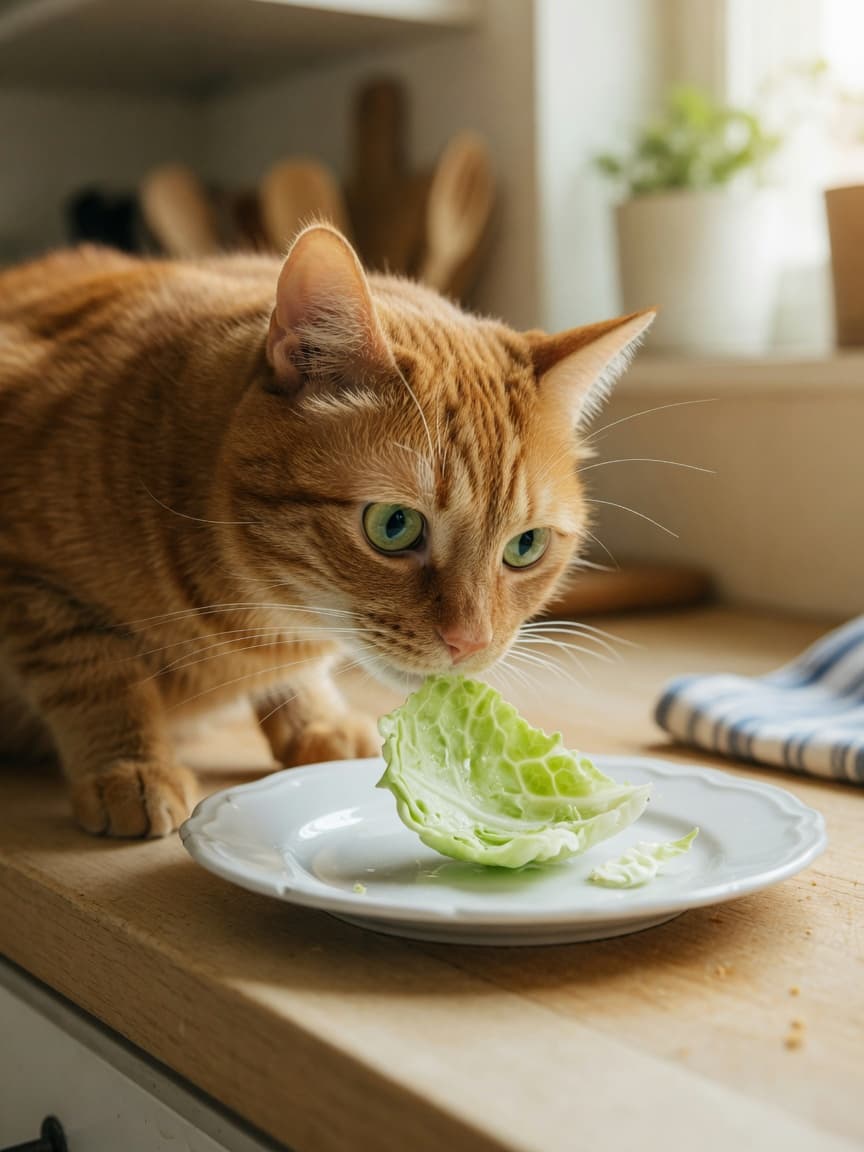
Can Cats Eat Cabbage?
Yes, cats can eat cabbage in moderation. Unlike some vegetables that are toxic to felines, cabbage is generally safe for cats as an occasional treat. However, it should never replace meat-based meals, and it's important to understand how to serve it properly to avoid digestive upset.
Is Cabbage Nutritious for Cats?
Cabbage contains vitamin C, vitamin K, and fibre, which can support general health. It's also low in calories, making it a reasonable choice if you're looking for a low-calorie snack. However, cats are obligate carnivores, meaning they're biologically designed to thrive on a diet of meat. Their digestive systems are adapted to extract nutrients primarily from animal protein and fat, not from plant matter.
This means that whilst cabbage can be a harmless addition to their diet, it doesn't provide the essential amino acids and nutrients that cats need to stay healthy. Cabbage should always be viewed as a supplementary treat, not a nutritional staple.
How Much Cabbage Can Your Cat Have?
Cabbage should only be offered occasionally—think of it as a rare treat rather than a regular snack. A small piece, roughly the size of a sugar cube or smaller, is an appropriate portion. Some cats may show interest in cabbage, whilst others will ignore it entirely. If your cat does enjoy it, limit offerings to once or twice per week at most.
Never serve cabbage as a meal replacement or as a significant part of your cat's daily diet. The bulk of their nutrition must come from high-quality cat food formulated to meet their specific dietary needs.
How to Prepare Cabbage Safely for Your Cat
Raw cabbage: Small pieces of raw cabbage are safe, but ensure they're finely chopped to reduce choking risk. Always wash the cabbage thoroughly under running water to remove any pesticide residue or dirt.
Cooked cabbage: Lightly steamed or boiled cabbage with no added salt, butter, or seasoning is also safe. Many cats find cooked cabbage easier to digest than raw. Never serve cabbage that's been cooked with garlic, onion, or other seasonings, as these are toxic to cats.
Never serve: Avoid pickled cabbage, cabbage cooked with salt or oil, or any preparation that includes spices or additional ingredients. Stick to plain cabbage only.
Potential Digestive Concerns
Some cats may experience mild digestive upset when eating cabbage, including bloating or soft stools, particularly if they're not accustomed to vegetables. If this happens, it's best to discontinue offering cabbage and stick to their regular diet.
Cabbage contains compounds that can affect thyroid function if consumed in very large quantities, but this is only a concern with excessive intake—something unlikely to occur with the small, occasional portions recommended for cats.
Signs Your Cat Has Eaten Too Much Cabbage
Watch for vomiting, diarrhoea, loss of appetite, or abdominal discomfort. If your cat shows any of these signs after eating cabbage, contact your vet. Most cats with minor digestive upset will resolve within 24 hours, but persistent symptoms warrant professional advice.
Alternative Vegetables for Cats
If you'd like to offer your cat vegetables occasionally, other safe options include small pieces of cooked pumpkin, cucumber, or carrot. Again, these should only be treats and never a significant part of their diet.
The Bottom Line
Cabbage is a safe, occasional treat for cats when prepared correctly and served in tiny quantities. It won't harm your cat in moderation, but it also shouldn't be a regular feature of their diet. Always prioritise high-quality, meat-based cat food as the foundation of your feline's nutrition, and consult your vet before introducing any new foods, particularly if your cat has existing health conditions or dietary restrictions.
If your cat isn't interested in cabbage, there's no need to encourage them—many cats have no interest in vegetables at all, and that's perfectly normal and healthy.