
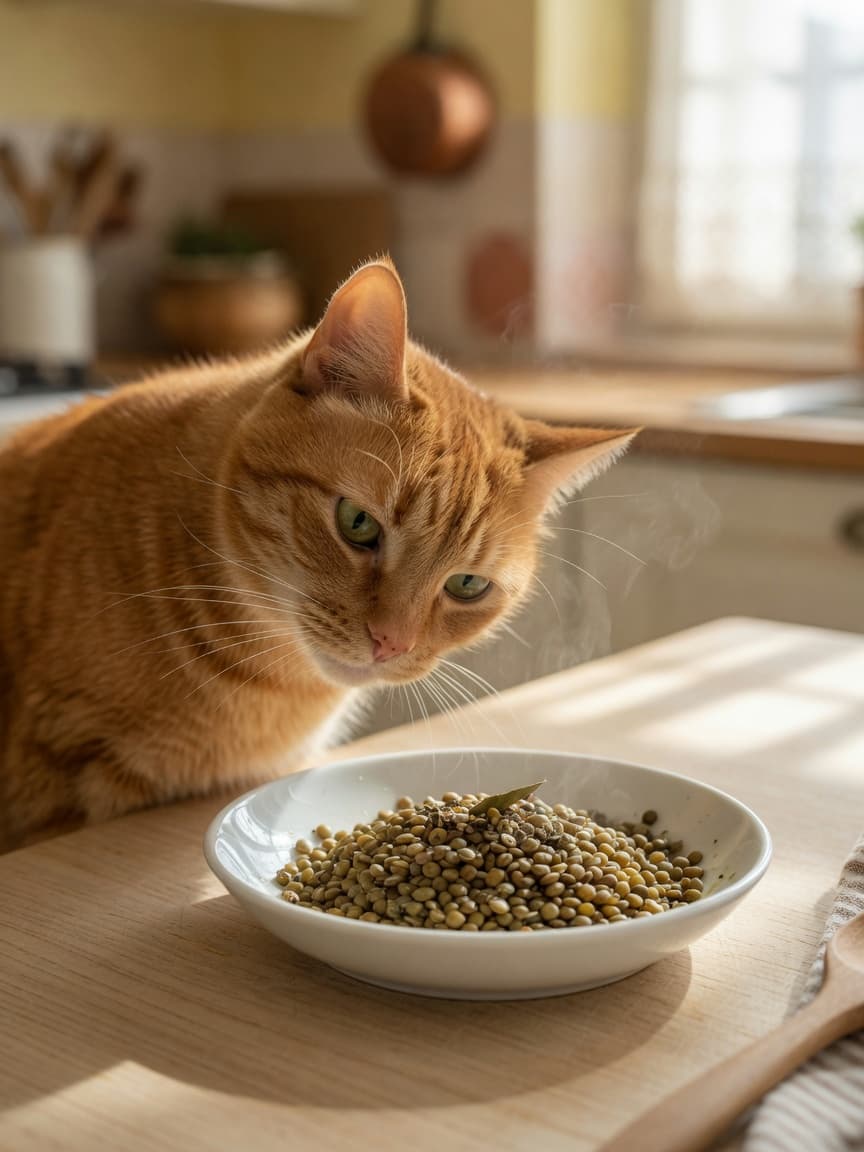
Can Cats Eat Lentils?
Yes, cats can eat lentils in moderation, but they should be an occasional treat rather than a regular part of your cat's diet. Whilst lentils are not toxic to cats, they're not an ideal food for your feline friend, and there are important considerations to keep in mind before offering them.
Understanding Your Cat's Dietary Needs
Cats are obligate carnivores, meaning their bodies are designed to thrive on a meat-based diet. Unlike humans and some other animals, cats have specific nutritional requirements that are best met through animal proteins and fats. Their digestive systems are optimised for processing meat, and they lack certain enzymes needed to efficiently break down plant-based foods like lentils.
This fundamental difference in dietary needs means that whilst lentils won't harm your cat in small amounts, they shouldn't form any significant part of their nutrition. Your cat's primary diet should always consist of high-quality commercial cat food or a properly balanced homemade diet designed by a veterinary nutritionist.
Potential Benefits of Lentils
Lentils do offer some nutritional value, including fibre, plant-based protein, and various vitamins and minerals like iron and folate. However, the protein in lentils is not "complete" in the way that animal protein is—it lacks some of the amino acids that cats require, particularly taurine, which is essential for feline heart and eye health.
The fibre content in lentils might help some cats with occasional digestive issues, but this should only be considered under guidance from your veterinarian, particularly if your cat has existing health concerns.
How to Safely Serve Lentils to Your Cat
If you've decided to offer your cat a small amount of lentils as an occasional treat, proper preparation is essential. Always cook lentils thoroughly—raw or undercooked lentils are harder to digest and may cause gastrointestinal upset. Never add salt, garlic, onion, or any seasonings, as these can be harmful to cats.
Serve only a small amount—a teaspoon or two of plain, cooked lentils mixed into their regular food is sufficient. This should happen only occasionally, not regularly. Watch your cat's response carefully for any signs of digestive discomfort.
Potential Risks and Considerations
Some cats may experience digestive upset from lentils, including bloating, gas, or loose stools. This is because their digestive systems aren't designed to process legumes efficiently. If your cat shows any signs of discomfort after eating lentils, avoid offering them in future.
Lentils also contain compounds called phytates and lectins, which can interfere with mineral absorption in some cases. Whilst cooking reduces these compounds significantly, they're another reason why lentils shouldn't be a dietary staple.
Additionally, if your cat is on a special diet prescribed by your veterinarian—for example, due to kidney disease, diabetes, or urinary tract issues—you should check with your vet before introducing any new foods, including lentils.
When to Avoid Lentils
Don't offer lentils to kittens, senior cats, or cats with underlying health conditions without veterinary approval. Pregnant or nursing cats should also stick to their regular, nutritionally complete diet. If your cat has a history of food sensitivities or allergies, it's best to skip lentils altogether.
The Bottom Line
Lentils are safe for cats in very small, occasional amounts when properly prepared. However, they offer little nutritional benefit that your cat can't get from their regular diet, and they're not necessary for feline health. Your cat's primary nutrition should always come from high-quality cat food formulated to meet their specific dietary needs as an obligate carnivore.
If you're looking for healthy treat options for your cat, speak with your veterinarian about alternatives that align better with feline nutritional requirements. When in doubt about any new food, it's always best to consult your vet first—they can provide personalised advice based on your individual cat's health status and needs.