
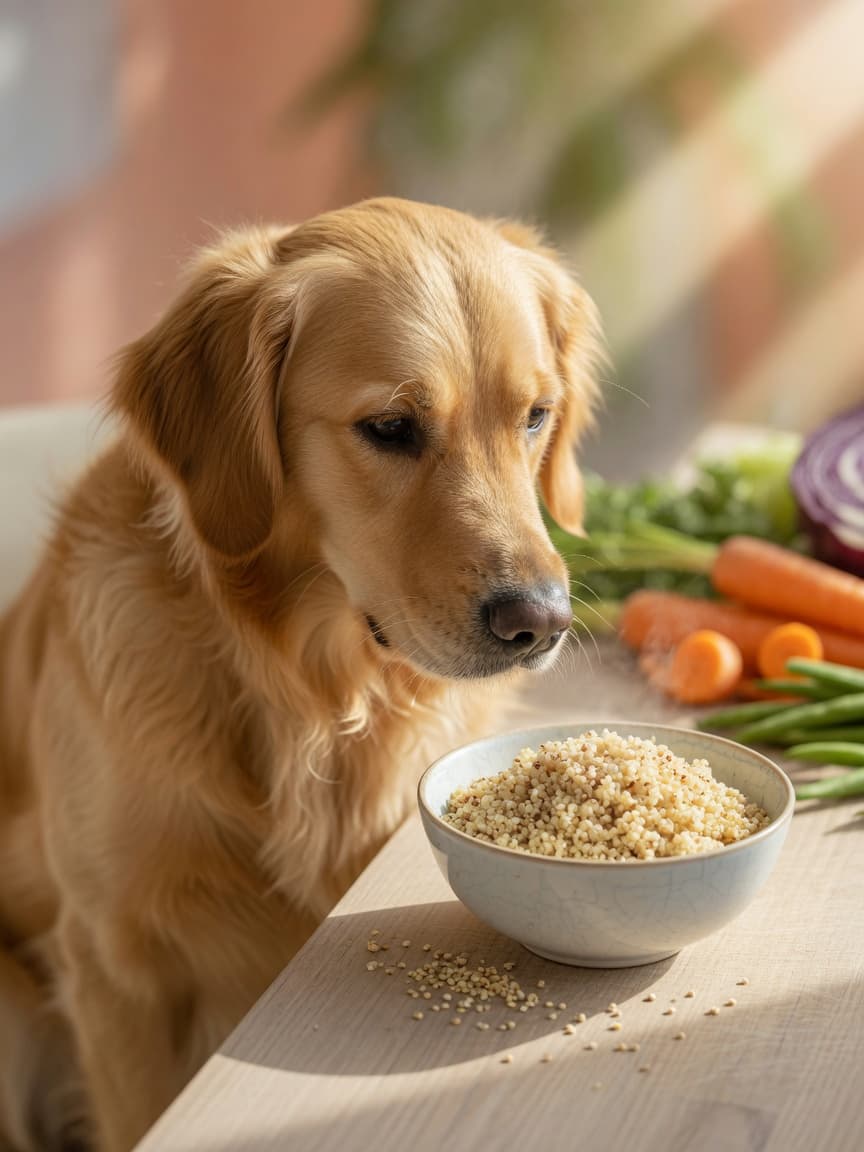
Can dogs eat quinoa?
Yes, dogs can eat quinoa in moderation. It is a safe grain alternative that many pet owners include in homemade dog diets or offer as an occasional treat. However, quinoa should never replace a complete, balanced commercial dog food or be given as a meal staple. When prepared and served correctly, quinoa can provide some nutritional benefit to your dog.
What is quinoa?
Quinoa is a seed that comes from South America and is often called a pseudocereal because it cooks like a grain. It contains all nine essential amino acids, making it a complete protein source. This is one reason it has become popular in human diets, and why some pet owners consider it a wholesome addition to their dog's food.
Nutritional benefits for dogs
Quinoa contains protein, fibre, magnesium, phosphorus, and B vitamins. For dogs, protein is essential for muscle maintenance and development. The fibre content may help support digestive health, particularly in dogs with slightly sluggish digestion. Quinoa is also gluten-free, which makes it suitable for dogs with gluten sensitivities, though true wheat allergies in dogs are uncommon.
That said, dogs are carnivores and meet their primary nutritional needs through meat and animal-based proteins. Quinoa is best viewed as a supplementary food rather than a nutritional cornerstone.
How much quinoa can dogs have?
If you decide to offer quinoa, treats (including grain-based treats) should make up no more than 10% of your dog's daily calorie intake. For most dogs, this means a small handful of cooked quinoa a few times per week is appropriate, rather than daily portions. Always check with your veterinary surgeon before introducing any new food, especially if your dog has existing health conditions or is on a prescription diet.
Never use quinoa as a meal replacement. Your dog's main meals should continue to be a complete, balanced commercial dog food formulated to meet AAFCO (Association of American Feed Control Officials) or FEDIAF standards, or a veterinary-approved homemade diet.
How to serve quinoa safely
Always cook quinoa thoroughly before offering it to your dog. Uncooked quinoa is difficult to digest and offers no advantage. Rinse dried quinoa under cold water before cooking to remove saponins, natural compounds on the seed coat that can cause digestive upset in some animals.
Boil quinoa in water only—never add salt, spices, oils, garlic, onions, or other seasonings. These additions can upset your dog's stomach or, in the case of garlic and onions, cause harm. Once cooked and cooled, you can mix a small amount into your dog's regular food or offer it plain as a treat.
Portion control is important. A tablespoon or two mixed into food, or offered as a standalone treat, is suitable for most medium-to-large dogs. Smaller breeds should receive proportionally less.
Potential concerns
While quinoa is generally safe, some dogs may experience mild digestive upset when trying it for the first time, including loose stools or mild bloating. Introduce quinoa gradually in tiny amounts and watch for any adverse reactions over the next 24 hours.
Dogs with existing gastrointestinal conditions, pancreatitis, or those on restricted diets should only be offered quinoa under veterinary guidance. If your dog has never had quinoa before and has a sensitive stomach, it is wise to consult your vet first.
What about cats?
Cats are obligate carnivores with entirely different nutritional requirements from dogs. Quinoa offers no benefit to cats and is unnecessary in their diet. Cats require taurine and other nutrients found in meat. If you have both dogs and cats at home, ensure your cat cannot access your dog's quinoa treats.
The bottom line
Quinoa is safe for most dogs in small, occasional amounts as part of a varied treat rotation. It is not a necessary food, but it is a safe option if you wish to add variety to your dog's diet. Always cook it plainly, serve it in moderation, and keep your dog's primary nutrition coming from a complete, balanced commercial or veterinary-approved diet. When in doubt, ask your vet before introducing new foods.