
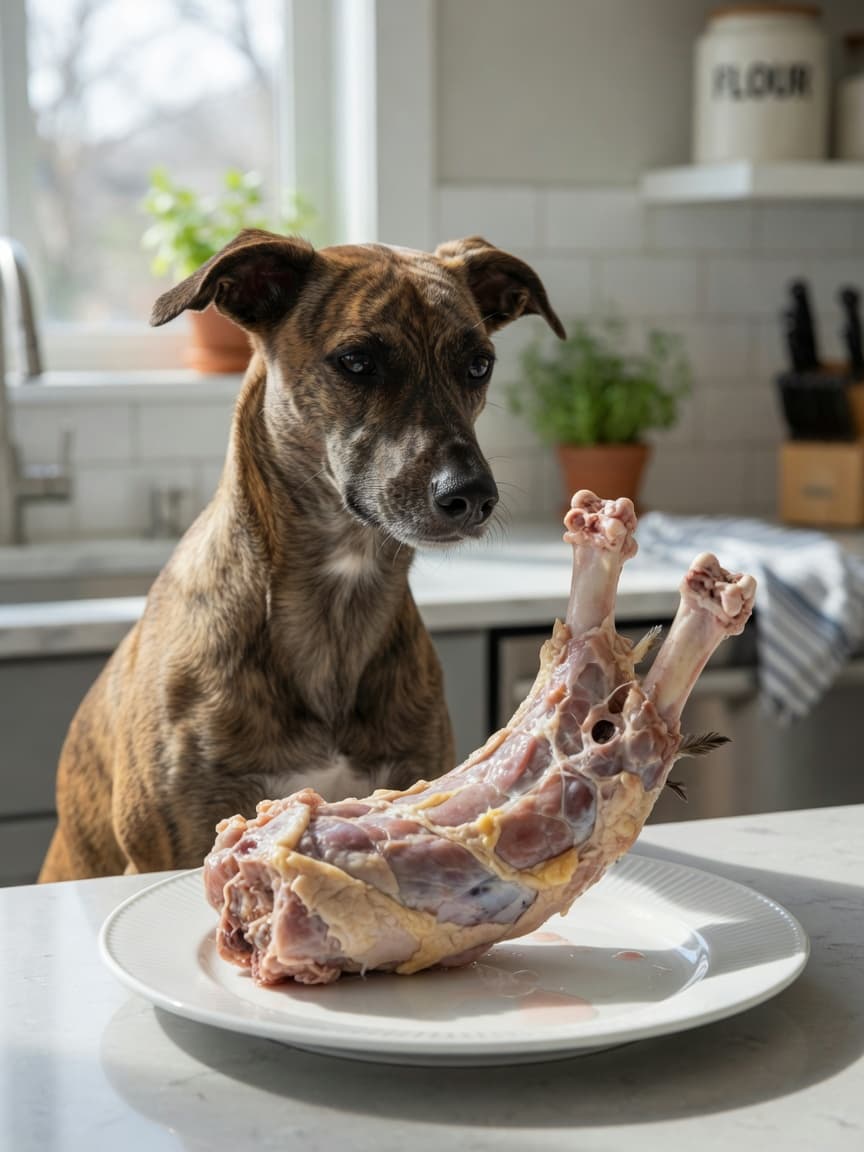
Can Dogs Eat Turkey Necks? Vet-Verified Nutrition Facts & FAQ
Turkey necks are a popular raw feeding choice and a favourite treat for many dog owners across Europe. But are they genuinely safe for your canine companion, and what nutritional benefits do they actually offer? As a certified animal nutritionist, I've investigated the science behind this common question to provide you with evidence-based guidance you can trust. Whether you're considering turkey necks as an occasional treat or a dietary staple, this guide will help you make an informed decision for your dog's health and wellbeing.
Are Turkey Necks Safe for Dogs?
Yes, turkey necks are generally safe for most healthy adult dogs when prepared and served correctly. Unlike chicken bones, which can splinter dangerously, turkey neck bones are larger and harder, making them suitable for chewing when raw or gently cooked. However, safety depends entirely on how you serve them.
- Raw turkey necks: Safe for most dogs; softer bones are edible, and the chewing action promotes dental health
- Cooked turkey necks: Can become brittle and splintered—best avoided unless given under supervision
- Smoked or seasoned turkey necks: Potentially harmful due to excessive salt, garlic, or other additives
Puppies, senior dogs with dental issues, and those with sensitive digestive systems should consult your veterinarian before introducing turkey necks.
Nutritional Benefits of Turkey Necks
Turkey necks offer several nutritional advantages when included as part of a balanced diet:
- High-quality protein: Essential for muscle development and maintenance
- Glucosamine and chondroitin: Natural joint support from cartilage and connective tissue
- Calcium and phosphorus: Important minerals for bone health
- B vitamins: Support energy metabolism and nervous system function
- Natural dental cleaning: The chewing action helps remove plaque and tartar
A typical 100-gram raw turkey neck contains approximately 15-18 grams of protein and is relatively low in fat compared to other poultry options.
Portion Size and Feeding Guidelines
Turkey necks should complement your dog's diet rather than replace balanced meals. Follow these practical guidelines:
- Calculate turkey neck portions as 10-15% of your dog's daily caloric intake
- For a medium-sized dog (25kg), one whole turkey neck, 2-3 times weekly is appropriate
- Always supervise your dog during feeding
- Allow 30 minutes of uninterrupted chewing time
- Remove any uneaten portions after one hour to prevent bacterial growth
Health Considerations and Risks
Whilst turkey necks are generally safe, several precautions apply:
- Bacterial contamination: Raw poultry may harbour salmonella or E. coli; source from reputable suppliers and handle hygienically
- Choking hazard: Small breeds face increased risk; choose appropriately sized necks
- Pancreatitis: High-fat necks may trigger flare-ups in predisposed dogs
- Obstruction: Dogs with a tendency to swallow without chewing should avoid them
- Nutritional imbalance: Turkey necks alone cannot provide complete nutrition
Frequently Asked Questions
Can puppies eat turkey necks? Young puppies under six months should wait until adult teeth are fully developed. Consult your vet regarding your individual puppy's readiness.
How often should I feed turkey necks? 2-3 times weekly is ideal for most dogs as part of a varied diet.
Should I give raw or cooked turkey necks? Raw is preferable. Cooking compromises the structural integrity of bones, increasing splintering risks.
What if my dog has a sensitive stomach? Introduce turkey necks gradually over 7-10 days, monitoring for digestive upset. Some dogs may require a slow transition or may not tolerate them well.
Key Takeaways
Turkey necks can be a nutritious, enjoyable addition to your dog's diet when served raw, in appropriate portions, and with proper supervision. They provide excellent protein, joint-supporting nutrients, and natural dental benefits. Always source from reliable suppliers, handle hygienically, and monitor your dog closely during feeding. If your dog has underlying health conditions, digestive sensitivities, or you're uncertain about suitability, consult your veterinarian before introducing turkey necks. Remember, variety and balance remain the cornerstones of optimal canine nutrition.