
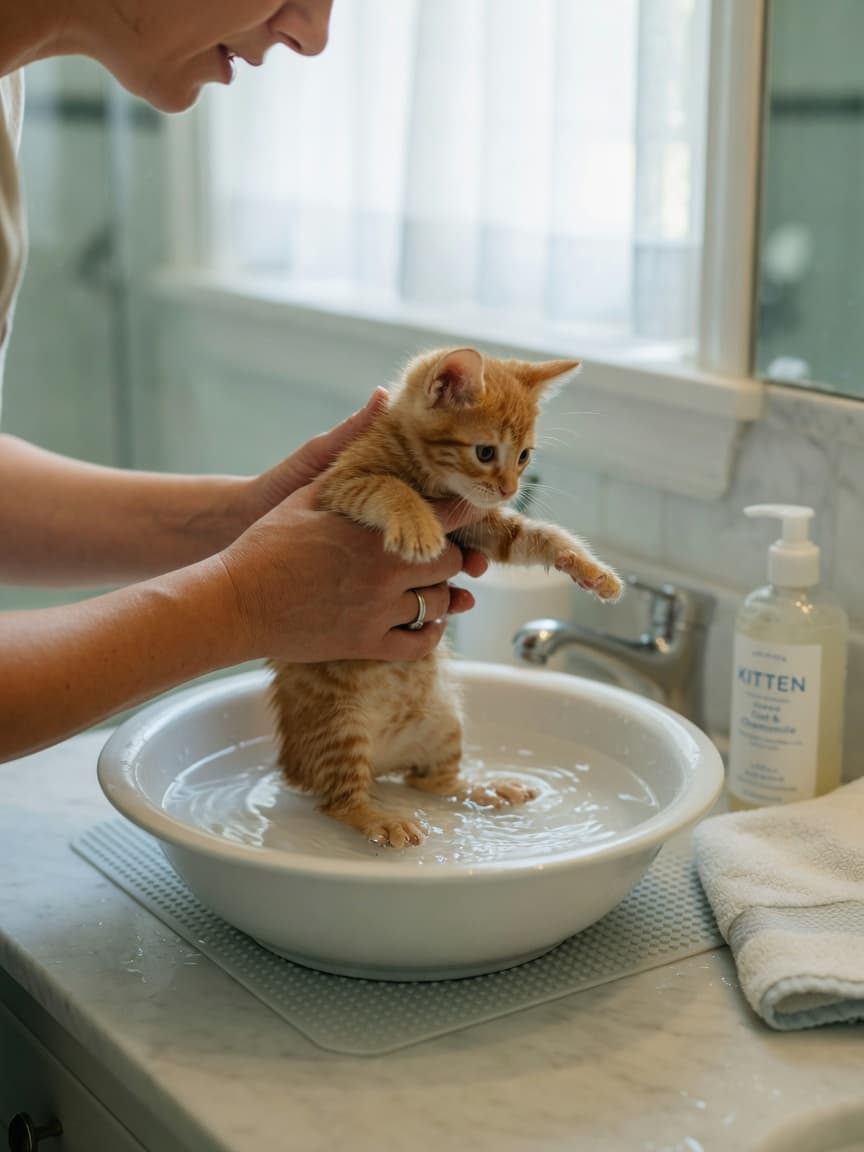
How to Bathe a Kitten: A Step-by-Step Guide
Bathing a kitten can seem daunting—most cats dislike water, and kittens are delicate little creatures that require gentle handling. However, there are times when a bath becomes necessary, whether due to soiling, parasites, or medical treatment. With the right preparation, patience, and technique, you can make the experience stress-free for both you and your kitten. This comprehensive guide will walk you through the process, ensuring your kitten stays safe, warm, and as calm as possible.
When Your Kitten Actually Needs a Bath
Before you fill the basin, it's worth understanding that most kittens keep themselves impeccably clean through grooming. You should only bathe your kitten if there's a genuine reason to do so. Common situations include:
- Visible dirt, mud, or sticky substances in their fur
- Flea or parasite treatments requiring immersion
- Skin conditions prescribed by your veterinarian
- Very young kittens separated from their mother who haven't learned self-grooming
- Long-haired breeds requiring occasional maintenance
If your kitten simply needs a tidy-up, brushing or spot-cleaning with a damp cloth may be sufficient and far less stressful.
Preparation: Setting Yourself Up for Success
Proper preparation is half the battle. Gather everything you need before bringing your kitten into the bathroom:
- Two towels—one for the bath area and one for drying
- A non-slip mat to prevent slipping
- Lukewarm water (test on your inner wrist first)
- Kitten-specific shampoo (never use human products)
- A soft flannel or cotton pad for their face
- A jug for gentle rinsing
- Treats for positive reinforcement
Choose a warm, quiet room where you can close the door—a bathroom is ideal. Fill a shallow basin or sink with only 2-3 inches of lukewarm water. The temperature should be comfortably warm to touch, approximately 37-38°C. Cold water will distress your kitten; water that's too hot risks burning their sensitive skin.
Step-by-Step Bathing Process
Step 1: Introduce Gradually
Let your kitten explore the bathroom for a few minutes. Allow them to investigate the basin without any pressure. This familiarisation reduces anxiety.
Step 2: Wet Their Body
Gently lower your kitten into the warm water, starting with their back paws. Speak in calm, reassuring tones throughout. Use your hands or a soft jug to carefully wet their body, avoiding their head and face initially.
Step 3: Apply Shampoo
Dilute the kitten shampoo slightly with warm water to make application gentler. Work it through their coat with your fingertips in circular motions, concentrating on any soiled areas. Never apply shampoo directly to their face.
Step 4: Rinse Thoroughly
Using a clean jug of lukewarm water, rinse away all shampoo residue. Leftover product can irritate their skin and cause itching. Work from their neck downwards.
Step 5: Clean Their Face
For their face and ears, dampen a soft cotton pad with plain warm water and gently wipe around their eyes and face. Never spray water directly on their head.
Step 6: Drain and Dry
Once rinsing is complete, carefully lift your kitten onto a towel. Gently squeeze excess water from their fur rather than wringing. Wrap them in a warm towel and pat dry thoroughly. Keep them in a warm environment until completely dry.
Managing Stress and Fear
Kittens may scratch, struggle, or become distressed during bathing. Keep sessions brief (5-10 minutes maximum) and maintain a calm demeanour yourself—kittens sense anxiety. Offer treats and praise throughout. If your kitten becomes extremely distressed, stop the process immediately. Never punish them for struggling, as this creates negative associations with bathing.
Post-Bath Care
After the bath, ensure your kitten remains in a warm environment for at least an hour. Provide fresh water, a light meal, and their favourite toys to help them relax. Some kittens may be extra affectionate afterwards; others may need quiet time to recover. This is entirely normal.
Key Takeaways
Bathing a kitten requires patience, preparation, and a calm approach. Remember to use kitten-specific shampoo, maintain warm water temperatures, and keep the experience as brief as possible. Most importantly, only bathe your kitten when genuinely necessary. By following these steps and remaining patient, you'll help your kitten develop a positive relationship with water, making any future necessary baths considerably easier for everyone involved.