
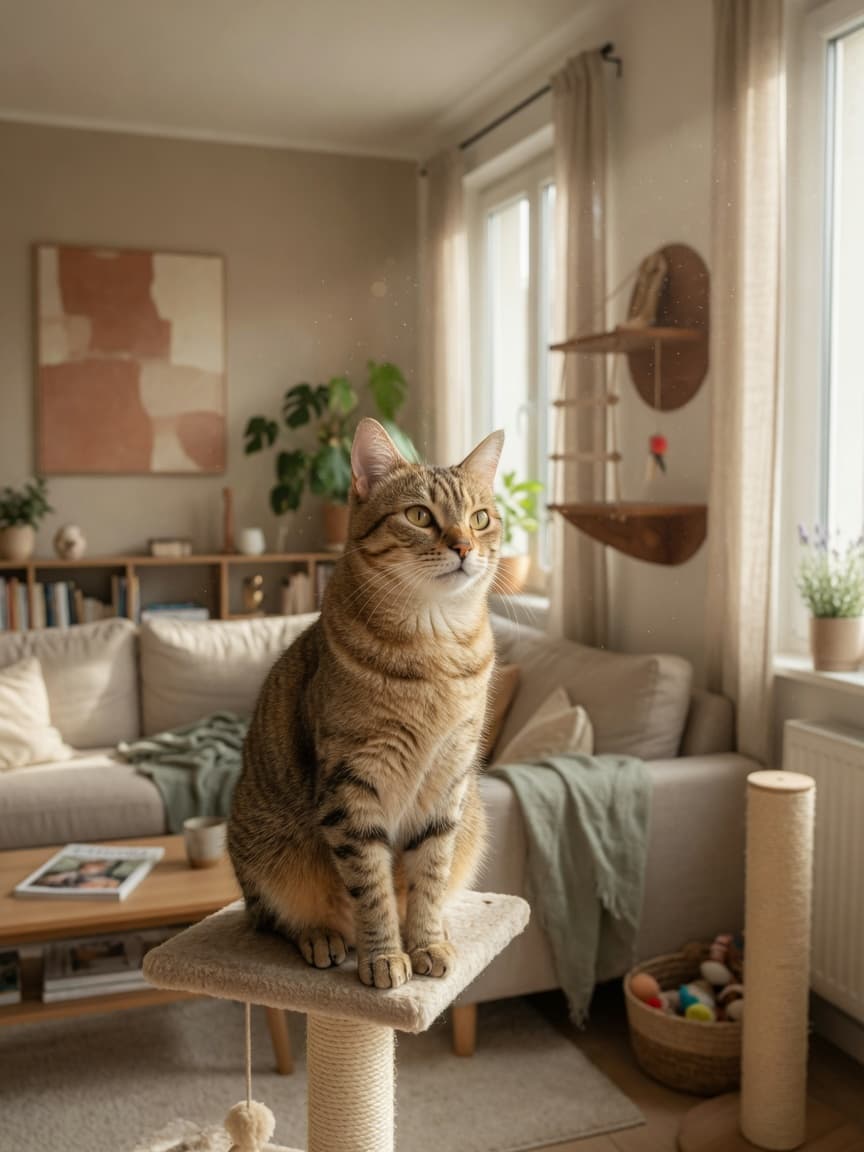
How to Keep Your Indoor Cat Healthy and Happy
Indoor cats have become increasingly popular amongst UK pet owners, and it's easy to see why. They're protected from outdoor hazards, traffic, and infectious diseases. However, living indoors presents unique challenges that require careful attention to nutrition, enrichment, and healthcare. A happy indoor cat isn't just about providing food and shelter—it's about creating an environment where your feline companion can thrive physically and emotionally. In this comprehensive guide, I'll share evidence-based strategies to ensure your indoor cat enjoys optimal health and wellbeing.
Nutrition and Weight Management
Indoor cats have significantly lower energy requirements than their outdoor counterparts, making weight management one of the most critical health concerns. Obesity in indoor cats leads to diabetes, arthritis, and reduced lifespan.
- Feed measured portions based on your cat's age, weight, and activity level—not free-feeding
- Choose high-quality, protein-rich diets that support lean muscle mass
- Provide fresh water daily in multiple locations throughout your home
- Limit treats to no more than 10% of daily caloric intake
- Consider feeding schedules that mimic natural hunting patterns (multiple small meals)
Consult your veterinary surgeon to establish an appropriate feeding plan, particularly if your cat has existing health conditions. Regular weight checks—ideally monthly at home using your own scales—help you catch weight gain early.
Environmental Enrichment and Exercise
Without the natural stimulation of outdoor exploration, indoor cats can develop behavioural problems and mental health issues. Environmental enrichment is essential for preventing boredom and stress.
- Install cat trees and climbing structures at various heights to encourage vertical exploration
- Provide window perches where cats can observe outdoor activity safely
- Rotate toys regularly to maintain novelty and interest
- Use puzzle feeders and interactive toys to stimulate natural hunting instincts
- Dedicate 15-30 minutes daily to interactive play with wand toys or laser pointers
- Consider adopting a second cat if your personality allows—companionship reduces stress
Mental stimulation is equally important as physical exercise. Cats that lack enrichment often develop destructive behaviours, anxiety, and health problems related to chronic stress.
Preventive Healthcare and Veterinary Care
Regular veterinary check-ups form the foundation of preventive care for indoor cats. Schedule annual wellness visits, or twice yearly for cats over seven years old.
- Keep vaccinations current, even for indoor cats (feline calicivirus and panleukopenia remain risks)
- Maintain year-round parasite prevention for fleas, ticks, and worms
- Schedule dental check-ups annually—dental disease is remarkably common in cats
- Monitor for signs of common indoor cat conditions: urinary tract infections, hyperthyroidism, and chronic kidney disease
- Maintain detailed health records and report any behavioural or appetite changes to your vet
Litter Box Management and Hygiene
Inappropriate elimination is one of the most common behavioural issues in indoor cats, often rooted in litter box problems.
- Provide one litter box per cat, plus one extra (so two cats need three boxes)
- Clean boxes daily and perform a complete litter change weekly
- Position boxes away from food and water bowls
- Use unscented litter when possible—cats often prefer it
- Ensure boxes are appropriately sized; cats need space to move comfortably
Stress Management and Behaviour
Indoor cats can experience stress from environmental changes, loud noises, or inadequate territory. Create a calm, predictable environment by maintaining consistent routines and providing hiding spaces.
Consider using feline pheromone diffusers (such as Feliway) during stressful periods, and ensure your cat has quiet retreat areas away from household activity.
Key Takeaways for a Healthy Indoor Cat
Keeping your indoor cat healthy requires a holistic approach combining proper nutrition, environmental enrichment, preventive healthcare, and stress management. Monitor your cat's weight regularly, invest in enrichment that stimulates natural behaviours, maintain consistent veterinary care, and watch for any changes in behaviour or health. By implementing these evidence-based strategies, you'll create an environment where your indoor cat can live a long, happy, and fulfilling life.