
What to Know About Cat Head Pressing
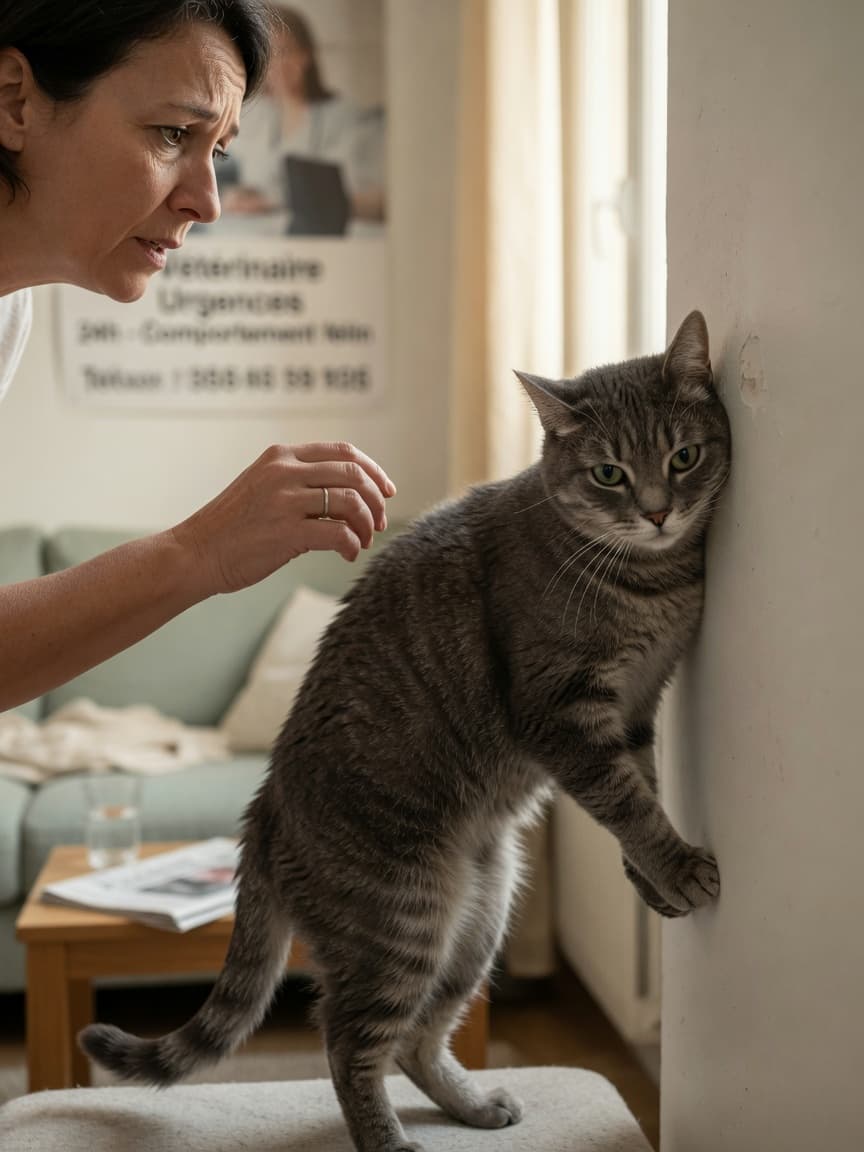
If you've noticed your cat pressing their head against walls, furniture, or your hands more frequently than usual, it might seem like an affectionate behaviour. However, persistent head pressing in cats can actually signal an underlying health concern that warrants immediate veterinary attention. This peculiar behaviour is one of the most important warning signs pet owners should recognise, as it often indicates neurological or metabolic issues requiring prompt diagnosis and treatment.
Understanding Cat Head Pressing
Head pressing differs from normal affectionate head bunting. When cats rub their head against you or objects, they're marking territory with scent glands and showing affection. Head pressing, conversely, involves the cat forcefully and persistently pushing their head against surfaces, often appearing almost dazed or unaware of their surroundings. The behaviour typically lasts longer than casual bunting and occurs repeatedly throughout the day.
This distinction is crucial for cat owners, as head pressing should never be dismissed as endearing behaviour. It's an abnormal clinical sign that demands veterinary evaluation.
Potential Causes of Head Pressing
Head pressing in cats can stem from several serious conditions:
- Hepatic Encephalopathy: Liver disease leading to toxin accumulation in the brain, causing neurological dysfunction
- Hypertension: High blood pressure affecting the nervous system, particularly common in older cats and those with kidney disease
- Brain Tumours: Intracranial masses causing pressure and neurological changes
- Feline Infectious Peritonitis (FIP): A serious viral infection affecting the central nervous system
- Stroke or TIA: Cerebrovascular events causing acute neurological symptoms
- Encephalitis: Brain inflammation from various infectious or inflammatory causes
- Metabolic Disorders: Including diabetes complications, hypoglycaemia, and electrolyte imbalances
Additional Symptoms to Watch For
Head pressing rarely occurs in isolation. Observe your cat for accompanying signs that help veterinarians narrow down the diagnosis:
- Disorientation or confusion
- Changes in sleeping patterns
- Altered appetite or water intake
- Vomiting or diarrhoea
- Lethargy or unusual aggression
- Loss of balance or coordination
- Seizures
- Changes in vocalisations
When to Seek Veterinary Care
Head pressing warrants urgent veterinary attention, particularly if it's a new behaviour. Schedule an appointment immediately if your cat displays this sign, even if they seem otherwise well. If head pressing accompanies seizures, severe lethargy, or loss of consciousness, seek emergency veterinary care right away.
During your appointment, provide your vet with a detailed history: when you first noticed the behaviour, how frequently it occurs, any recent changes in health or behaviour, and details about diet, medications, and vaccination status. Video footage of the behaviour can be invaluable for diagnosis.
Diagnostic Process and Treatment
Your veterinarian will likely recommend a thorough examination including blood work, biochemistry panels, and possibly imaging studies such as ultrasound or MRI to identify the underlying cause. Treatment depends entirely on diagnosis—managing liver disease differs significantly from treating hypertension or addressing neurological conditions.
Early diagnosis substantially improves outcomes, particularly for treatable conditions like hypertension or metabolic imbalances.
Key Takeaways
- Head pressing is abnormal and always requires veterinary evaluation
- It differs fundamentally from normal affectionate head bunting
- Multiple serious conditions can cause this behaviour
- Prompt veterinary assessment improves treatment outcomes
- Keep detailed observations of when and how often head pressing occurs
- Report any accompanying symptoms to your veterinarian immediately
Your cat's health and wellbeing depend on recognising these important warning signs. Trust your instincts—if something seems amiss with your feline friend's behaviour, contact your veterinarian today.