
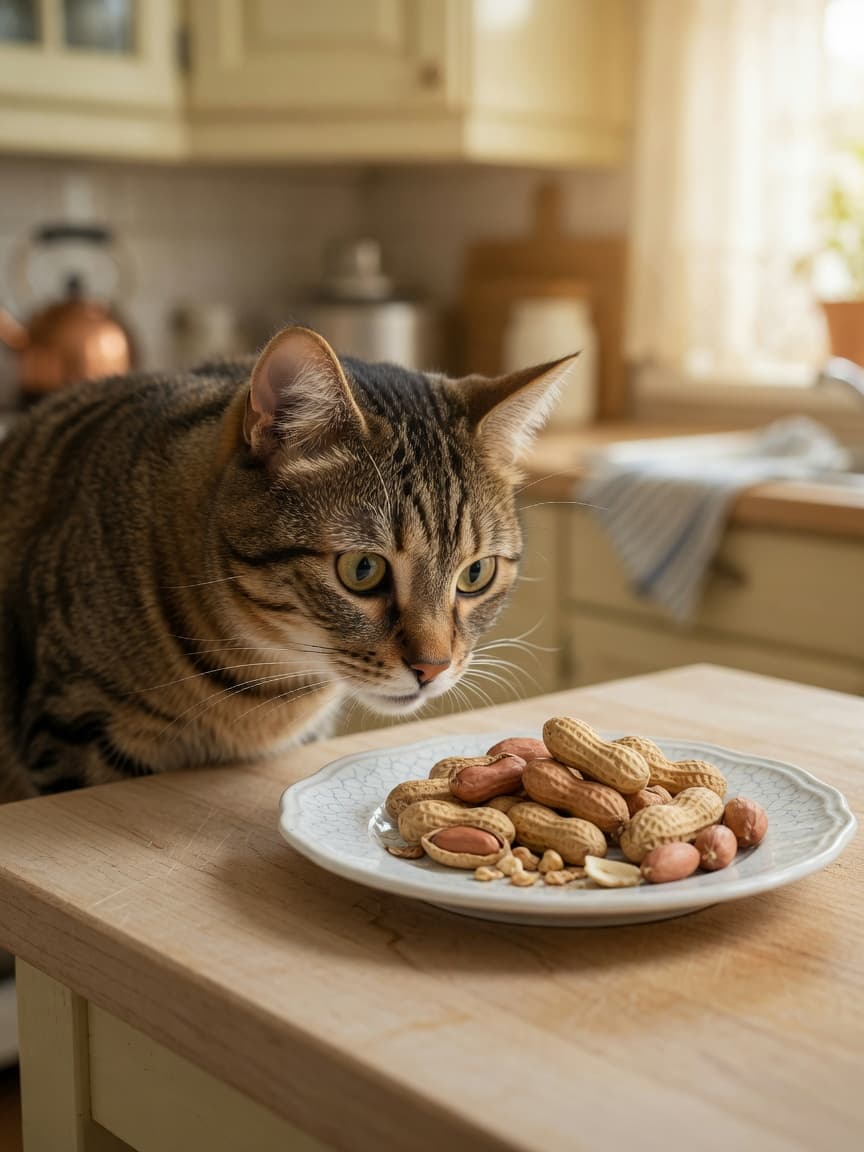
Can Cats Eat Peanuts?
The short answer is: yes, cats can eat peanuts in very small amounts, but they require caution. While peanuts aren't toxic to cats, they carry several risks that mean they're best avoided or given only occasionally and in minimal quantities. As a responsible pet owner, it's important to understand why peanuts don't fit naturally into your cat's diet and when they might pose a genuine concern.
Why Peanuts Aren't Ideal for Cats
Cats are obligate carnivores, meaning their bodies have evolved to thrive on meat and animal-based nutrients. Their digestive systems are designed to process protein from prey—not plant-based foods like peanuts. Peanuts are high in fat and relatively high in protein, but the type of protein isn't species-appropriate for cats. Additionally, peanuts provide no nutritional benefit that your cat can't obtain from their regular, balanced diet.
The primary concern with peanuts is their fat content. Cats have sensitive digestive systems, and fatty human foods can trigger gastrointestinal upset, including vomiting and diarrhoea. Some cats may also experience pancreatitis (inflammation of the pancreas) if exposed to high-fat foods repeatedly, which is a serious condition requiring veterinary treatment.
Choking and Aspiration Risks
Peanuts pose a physical hazard beyond digestion. Their size and texture make them a potential choking risk, particularly for kittens or cats that eat quickly without chewing properly. If a peanut is aspirated (inhaled into the airway instead of swallowed), it can cause respiratory distress—a medical emergency.
Whole peanuts are riskier than broken pieces, but even small fragments should be monitored carefully if your cat shows interest.
Aflatoxin Contamination
Peanuts can occasionally be contaminated with aflatoxins, naturally occurring toxins produced by certain moulds. Whilst the risk is generally low in commercially packaged peanuts sold in the UK, mouldy or improperly stored peanuts pose a real danger. Even trace amounts of aflatoxins can damage a cat's liver over time. This is why store-bought peanuts are safer than homegrown ones, but the safest option remains avoiding them altogether.
Sodium and Other Concerns
Many peanut products—including peanut butter and roasted peanuts—contain added salt, which cats should avoid. Cats have a lower tolerance for sodium than humans, and excessive salt can contribute to hypertension and other health problems. Peanuts with artificial sweeteners, particularly xylitol (though uncommon in traditional peanut products), are genuinely toxic and must be avoided entirely. Always check the label if you're considering peanut butter.
Safe Preparation and Portion Sizes
If you decide to offer peanuts despite these cautions, follow these guidelines:
Only plain, unsalted, roasted peanuts are acceptable. Never offer salted, honey-roasted, or chocolate-covered varieties. Give only a single peanut or a tiny piece (roughly the size of a pea) as an occasional treat—not more than once monthly. Always supervise closely and remove any uneaten portions.
Peanut butter should be offered only in microscopic amounts (a lick from your finger) and must be thoroughly checked for xylitol or other sweeteners. Creamy varieties are safer than chunky, which pose greater choking risks.
Which Cats Should Avoid Peanuts Entirely
Cats with a history of pancreatitis, sensitive digestion, food allergies, obesity, or liver disease should never eat peanuts. Kittens and senior cats, whose digestive systems are more fragile, are also better off avoiding them. If your cat has any pre-existing health conditions, consult your veterinary surgeon before offering any peanut product.
Warning Signs to Watch For
If your cat has eaten peanuts, monitor for vomiting, diarrhoea, lethargy, loss of appetite, or abdominal pain. Respiratory distress (gasping, wheezing, or difficulty breathing) is an emergency requiring immediate veterinary attention. Contact your vet if any of these symptoms develop.
The Bottom Line
Whilst a tiny amount of plain peanut won't poison your cat, the risks outweigh any potential benefit. Your cat's nutritional needs are best met through high-quality commercial cat food. If you want to offer treats, stick to cat-specific options or small pieces of cooked chicken. When it comes to peanuts, caution truly means erring on the side of avoidance.