
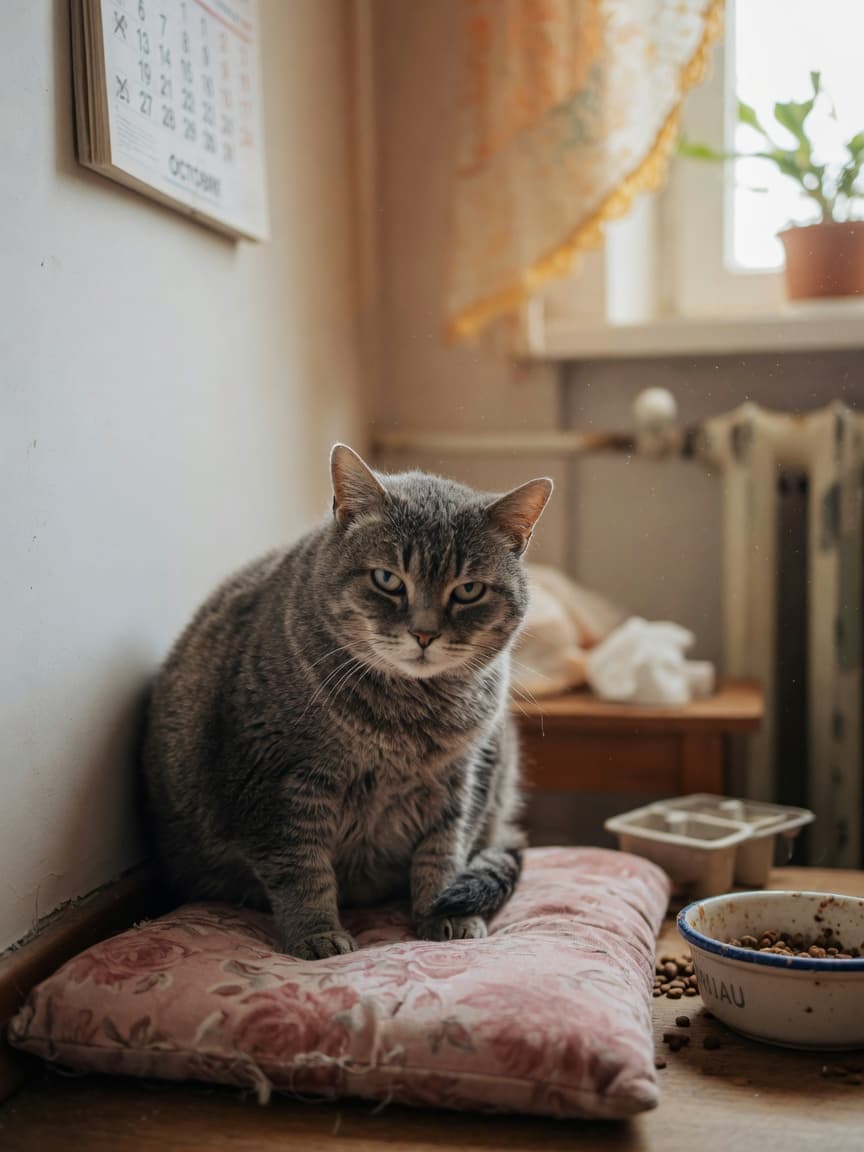
What Is Feline Cognitive Dysfunction Syndrome?
Feline cognitive dysfunction syndrome (FCDS) is a progressive neurodegenerative condition in cats that is closely analogous to Alzheimer's disease in humans. It results from age-related changes in the brain — including the accumulation of amyloid plaques and tau proteins, reduced cerebral blood flow, and oxidative damage to brain tissue — that gradually impair cognitive function.
Despite being well described in the veterinary literature, FCDS is substantially underdiagnosed. Owners frequently attribute the signs to normal ageing, while cats in clinic settings may not display their usual behaviours. A structured approach to observation at home, using a recognised framework, significantly improves the chances of identifying the condition.
How Common Is It?
FCDS is an age-associated condition. Studies estimate that approximately 28 per cent of cats between the ages of 11 and 14 show signs consistent with cognitive dysfunction. In cats aged 15 and over, this rises to more than 50 per cent. These figures make FCDS one of the most common conditions affecting geriatric cats, and yet surveys consistently show that the majority of affected cats are never diagnosed during their lifetime.
The DISHA Framework
Veterinary professionals use the DISHA framework as a structured tool for identifying signs of cognitive dysfunction. DISHA stands for Disorientation, Interaction changes, Sleep-wake changes, House soiling, and Activity changes. Owners who notice signs across multiple categories — particularly when those signs are new and progressive — should discuss the possibility of FCDS with their vet.
Disorientation
A cat with FCDS may appear confused or lost in familiar environments. This can manifest as staring blankly at walls, becoming stuck in corners, failing to find the food bowl or litter tray despite knowing where they have always been, or appearing not to recognise familiar people or other pets in the household. Episodes of apparent confusion or a glazed expression are particularly telling.
Interaction Changes
Changes in the way a cat interacts with their family are among the earliest signs owners notice. A previously affectionate cat may become withdrawn, no longer seeking attention or responding to being called. Conversely, some cats become clingier than usual, following their owner from room to room. Decreased interest in play and exploration is also common, as is reduced grooming and self-care.
Sleep-Wake Changes
Disruption to the normal sleep-wake cycle is a hallmark sign of FCDS. Affected cats often sleep more than usual during the day but become restless, vocal, or agitated at night. Night-time vocalisation — particularly loud, persistent yowling in an elderly cat who was not previously vocal — is one of the signs that most commonly prompts owners to seek veterinary advice. This pattern of day-night reversal closely mirrors that seen in human dementia.
House Soiling
A cat that has been reliably toilet-trained for years and begins toileting outside the litter tray may be experiencing cognitive dysfunction. The cat may simply forget where the tray is, or become confused about the relationship between the urge to urinate and the appropriate location to do so. It is important to rule out medical causes of house soiling — including lower urinary tract disease, CKD, and hyperthyroidism — before attributing this sign to FCDS.
Activity Changes
Changes in overall activity level are common in FCDS. This includes reduced exploration of the home environment, decreased play behaviour, and repetitive or purposeless activities such as walking in circles or vocalising without apparent cause. Loss of learned behaviours, such as forgetting how to use a cat flap the animal has operated for years, can also occur.
Distinguishing FCDS from Other Conditions
Several common conditions in older cats can produce signs that overlap with FCDS, and it is critical to rule these out before concluding that cognitive dysfunction is the cause.
Hyperthyroidism can cause hyperactivity, night-time vocalisation, and disorientation, and is readily diagnosed with a blood test. Hypertension, which commonly occurs secondary to CKD or hyperthyroidism, can cause neurological signs including apparent confusion, sudden behavioural change, and in severe cases seizures. Chronic pain — particularly from arthritis — can profoundly alter a cat's behaviour, reducing interaction and increasing night-time restlessness. A full clinical work-up including blood tests, urine analysis, blood pressure measurement, and a thorough physical examination is essential to establish whether FCDS is present in isolation or alongside other treatable conditions.
Managing Feline Cognitive Dysfunction
There is currently no cure for FCDS and no licensed medication in the UK specifically for the condition. Management focuses on slowing progression, maintaining quality of life, and supporting both the cat and the owner.
Environmental Enrichment
Providing mental stimulation has been shown to support cognitive health in ageing animals. Puzzle feeders, gentle interactive play sessions, access to safe outdoor views through a window perch, and regular positive interaction with owners all contribute to cognitive engagement. Maintaining a consistent daily routine reduces confusion and anxiety. Night-lights can help a disoriented cat navigate the home in the dark.
Nutritional Supplements
Aktivait is a veterinary supplement formulated specifically to support cognitive function in cats. It contains phosphatidylserine, omega-3 fatty acids, antioxidants including vitamins C and E, and other neuroprotective ingredients. These components target oxidative stress and support neuronal membrane function. Aktivait is not a cure, but clinical experience and owner feedback suggest it may help stabilise signs, particularly when started early. It is available through veterinary practices and some veterinary pharmacies.
Ongoing Veterinary Support
FCDS is a progressive condition, and regular veterinary monitoring is important — both to track the progression of cognitive signs and to ensure that concurrent conditions are well managed. Owners should maintain a written record of any changes they observe at home to share with the veterinary team. Honest quality of life assessment becomes increasingly important as the condition advances.