
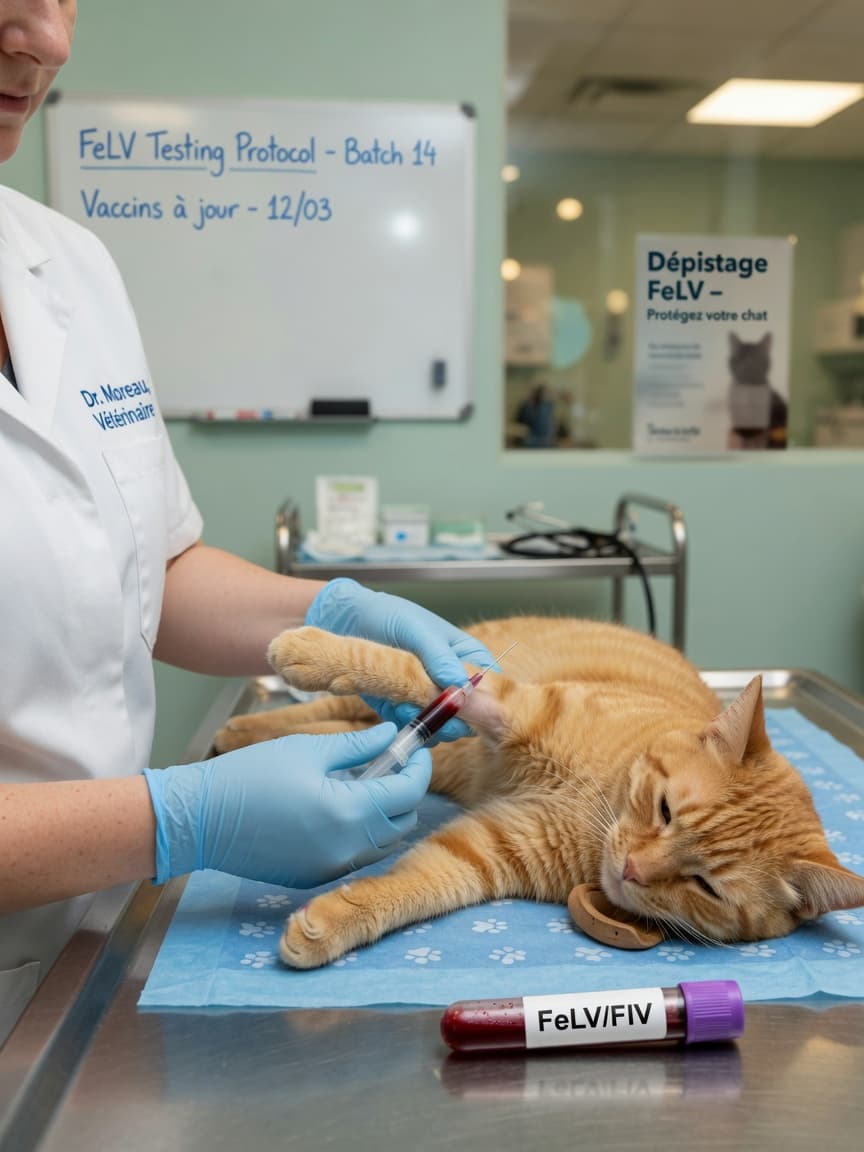
What Is Feline Leukaemia Virus?
Feline leukaemia virus (FeLV) is a retrovirus that integrates into the genetic material of infected cells, permanently altering how the immune system functions. It is one of the most significant infectious diseases affecting domestic cats in Europe and remains a leading cause of illness and death, particularly in outdoor cats and multi-cat households. Unlike many cat viruses, FeLV can cause a wide spectrum of disease — from immune suppression and anaemia to cancer — making it one of the most complex and serious diagnoses in feline medicine.
How Is FeLV Transmitted?
FeLV spreads primarily through prolonged close contact between cats. The virus is shed in high concentrations in saliva, which means the most common routes of transmission include:
- Mutual grooming: Cats that groom each other regularly are at significant risk if one is infected.
- Shared food and water bowls: Contamination from saliva during eating or drinking facilitates spread.
- Bite wounds: Although less efficient than grooming, bites do transmit the virus.
- Mother to kitten: Infected queens can transmit the virus to kittens in the womb or through infected milk.
Unlike feline immunodeficiency virus (FIV), FeLV does not require deep bite wounds to spread — the casual, affectionate contact typical between bonded cats is sufficient. This makes outdoor cats, stray cats, and cats living in groups particularly vulnerable.
EU Prevalence
Studies across Europe consistently show FeLV prevalence in the range of 1–3% of the general cat population, rising considerably in populations of unvaccinated outdoor cats, feral colonies, and shelter animals. Countries with large unmanaged stray populations, including parts of Southern and Eastern Europe, tend to report higher rates. A pan-European seroprevalence study published in recent years found that outdoor cats were approximately five times more likely to be FeLV-positive than indoor-only cats. Vaccination rates in EU countries vary, and in areas with lower uptake, the virus remains a genuine ongoing threat.
Outcomes of Infection
Not all cats exposed to FeLV become permanently infected. The outcome depends on several factors including age at exposure, immune status, and viral load. Three main outcomes are recognised:
- Regressive infection: The cat's immune system contains the virus, preventing progressive disease. The virus may remain latent. These cats may test negative on routine ELISA tests over time.
- Progressive infection: The virus replicates continuously, shedding begins, and the cat is at high risk of FeLV-related disease. This is the most serious outcome.
- Abortive infection: The cat fully clears the virus — uncommon but possible with strong immune response.
Kittens and young cats are at much higher risk of progressive infection than adults with mature immune systems.
Clinical Symptoms
FeLV can cause disease through multiple mechanisms — immune suppression, bone marrow dysfunction, and direct tumour formation. Common clinical signs include:
- Immunosuppression: Recurring or persistent infections — respiratory, oral, skin — that do not resolve normally. Secondary bacterial and fungal infections are common.
- Anaemia: Pale gums, lethargy, weakness, and rapid breathing can result from FeLV attacking bone marrow and reducing red blood cell production.
- Lymphoma: FeLV is a major cause of feline lymphoma, which can affect the lymph nodes, intestines, kidneys, and other organs.
- Weight loss and poor body condition: Progressive disease leads to wasting despite reasonable appetite initially.
- Fever and lethargy: Non-specific signs accompanying immune dysfunction.
- Reproductive failure: Abortions, stillbirths, and fading kitten syndrome in infected queens.
Diagnosis: ELISA and IFA Testing
FeLV is diagnosed through blood tests. Two main methods are used:
- ELISA (enzyme-linked immunosorbent assay): This in-clinic rapid test detects FeLV antigen in the blood. It is sensitive and widely used as an initial screening test. A positive result should always be confirmed with a second test, particularly in cats without clinical signs, as false positives can occur.
- IFA (immunofluorescence assay): This laboratory-based test detects the virus within white blood cells and is used to confirm ELISA-positive results. A positive IFA indicates progressive infection.
ESCCAP and European feline medicine guidelines recommend testing all cats before introducing them to a new household, particularly if other cats are present. Kittens from unknown backgrounds should be tested before vaccination.
Vaccination: Recommendations for EU Cat Owners
An effective FeLV vaccine is available and is classified as a non-core but highly recommended vaccine for cats at risk. European veterinary guidelines — including those from the European Advisory Board on Cat Diseases (ABCD) — recommend FeLV vaccination for:
- All cats with outdoor access.
- Cats living in multi-cat households with unknown FeLV status among housemates.
- Cats in shelters or rescue environments.
- Kittens — FeLV vaccination is routinely offered as part of the primary vaccination course in most EU countries.
The vaccine does not cure existing infection, so testing before vaccination is recommended. Indoor-only cats with no contact with unknown cats have a very low exposure risk, but vaccination remains an option for added protection should circumstances change.
Managing FeLV-Positive Cats
A diagnosis of FeLV is not an immediate death sentence. Many FeLV-positive cats, especially those with regressive infection, live for years without significant illness. Key management principles include:
- Indoor-only life: Keeping FeLV-positive cats indoors prevents spread to other cats and reduces their own exposure to infectious agents.
- Isolation from FeLV-negative cats: Positive cats should not share food bowls, grooming spaces, or sleeping areas with negative housemates.
- Regular veterinary check-ups: Six-monthly health checks allow early detection of anaemia, infections, or tumours.
- Nutrition and immune support: A high-quality, balanced diet helps maintain immune function. Zooplus offers a good range of complete wet and dry foods suited to adult cats that can be delivered to most EU countries.
- Prompt treatment of secondary infections: Because FeLV-positive cats cannot fight infections normally, early antibiotic or antifungal treatment is important.
Prognosis and Lifespan
Cats with progressive FeLV infection have an average survival of two to three years from diagnosis, though some live considerably longer with attentive care. Cats with regressive infection may never develop clinical disease. Supportive care, a low-stress environment, and an attentive owner make a meaningful difference to quality of life. The ABCD and European feline practitioners emphasise that FeLV-positive cats deserve the same level of care and affection as any other cat, and with the right management, their lives can remain comfortable and fulfilling.
Summary: Protecting Your Cat From FeLV
- Vaccinate outdoor cats and any cat with potential exposure to unknown cats.
- Test all new cats before introducing them to your household.
- Keep FeLV-positive cats indoors and separate from uninfected animals.
- Maintain regular veterinary check-ups for positive cats to catch complications early.
- Consult your vet about the latest European guidelines on FeLV management.