
Hamster Health: Small Animal, Significant Challenges
Hamsters are one of the most popular small pets in the UK and across Europe, yet their health needs are frequently underestimated. With a natural lifespan of just 18 to 36 months — shorter in some species, occasionally longer in well-cared-for individuals — every month of a hamster's life carries weight. Add to this their natural instinct to conceal illness, their unique anatomy, and their susceptibility to specific conditions, and it becomes clear that informed ownership matters enormously.
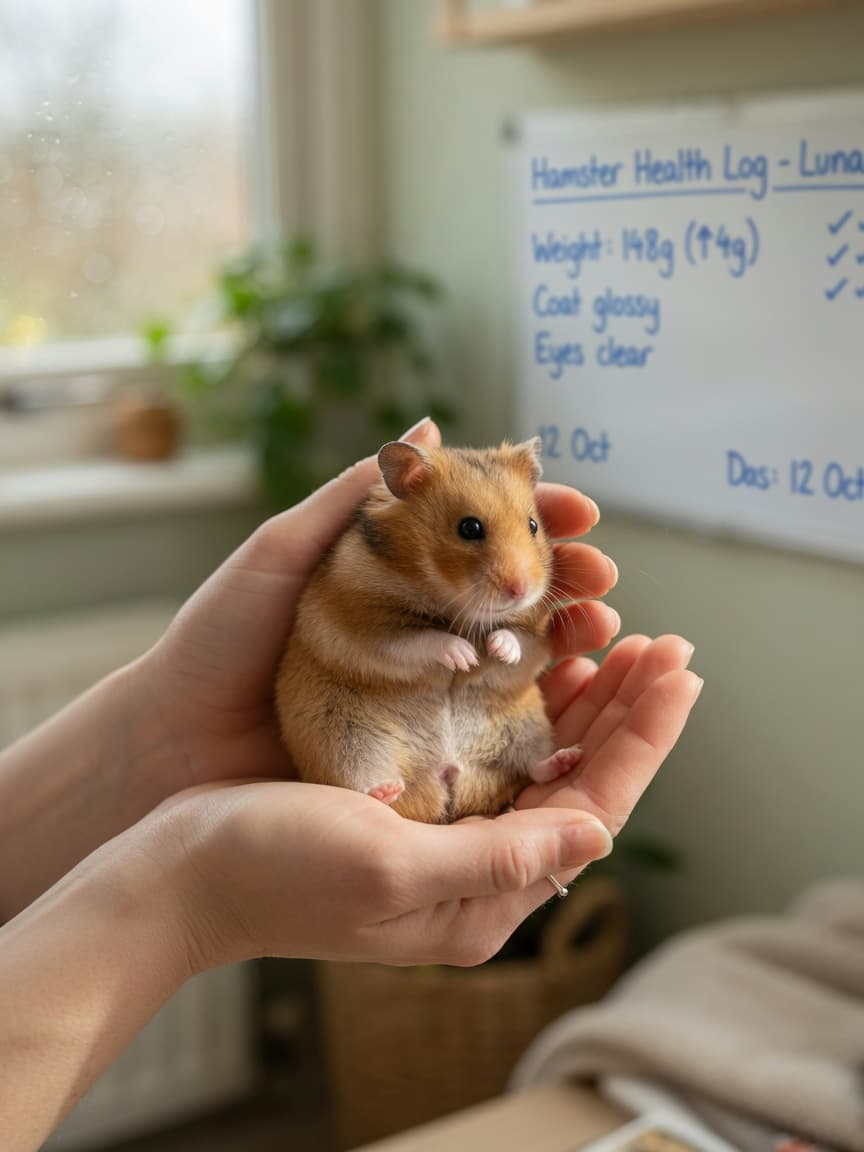
Daily handling is one of the most valuable health monitoring tools available to hamster owners. A hamster handled regularly is far more likely to have early problems detected — changes in weight, lumps, coat condition, or behaviour — than one left undisturbed in its cage. This guide covers the conditions most likely to affect pet hamsters in the UK and EU, and what to do when something seems wrong.
Wet Tail: The Most Serious Common Condition
Wet tail is the name commonly given to proliferative ileitis, a severe gastrointestinal infection primarily associated with the bacterium Lawsonia intracellularis. It is most common in young hamsters aged three to six weeks, often triggered by the stress of weaning, transportation, or a change in environment — which is why it is frequently seen in hamsters shortly after purchase. The condition causes profuse, watery diarrhoea, rapid dehydration, and systemic collapse. Without prompt veterinary treatment, wet tail can be fatal within 24 to 48 hours.
- Signs: very wet, soiled fur around the tail and hindquarters; foul smell; lethargy; hunched posture; refusal to eat or drink
- Treatment: antibiotics (often metronidazole or enrofloxacin), rehydration therapy, anti-diarrhoeals — all under veterinary supervision
- Prevention: minimise stress, handle gently during the settling-in period, maintain clean and appropriately bedded housing
It is important to note that wet fur around the tail can have multiple causes, including urinary tract infections or diarrhoea from dietary causes. However, any hamster with a wet, soiled rear end should be treated as an emergency until a vet has assessed the cause.
Cheek Pouch Problems: Impaction and Eversion
One of the hamster's most distinctive anatomical features is its large, expandable cheek pouches, which extend from the mouth all the way to the shoulders. Hamsters use these pouches to carry food and nesting material. While the pouches are normally very functional, two specific problems can arise.
Cheek pouch impaction occurs when food or bedding becomes stuck and cannot be emptied naturally. The hamster may paw repeatedly at its face, have a visibly asymmetrical lump in its cheek area, or show reduced appetite. Impaction requires gentle veterinary assistance to clear the material safely.
Cheek pouch eversion — also called prolapse — occurs when the lining of the pouch turns inside out and protrudes from the mouth, appearing as a pink, fleshy mass. This is always a veterinary emergency and must be treated within hours. A vet can often replace the pouch; delayed treatment may result in the need for surgical removal.
Dental Problems and Tooth Overgrowth
Like all rodents, hamsters have incisor teeth that grow continuously throughout their lives. In a healthy hamster fed an appropriate diet with enough opportunity to gnaw, the teeth stay naturally worn. However, misalignment (malocclusion) — whether congenital or caused by injury — can cause the incisors to grow unchecked. Overgrown teeth may prevent the hamster from eating, curve into the mouth or face, and cause pain and weight loss.
Providing appropriate gnawing opportunities — untreated wooden chews, hay, and hard food items — supports dental health. Dental checks should be part of any veterinary visit. If overgrown incisors are identified, regular clipping or filing by a vet may be required, ideally under sedation for precision and safety. Zooplus offers a range of hamster-safe wooden chews and bedding materials that support natural gnawing behaviour.
Respiratory Infections
Hamsters are susceptible to bacterial and viral upper respiratory infections, sometimes referred to colloquially as "hamster colds." Symptoms include sneezing, nasal discharge, laboured breathing, and lethargy. These infections can deteriorate rapidly in a small animal, particularly in young or elderly hamsters. Respiratory infections require prompt veterinary diagnosis and antibiotic treatment where a bacterial cause is confirmed. Keep sick hamsters warm and away from draughts, and contact your vet promptly if breathing seems laboured.
Diabetes: A Particular Risk in Dwarf Hamsters
Diabetes mellitus is significantly more common in dwarf hamster species — particularly Campbell's dwarf hamsters (Phodopus campbelli) and Russian dwarf hamsters — than in Syrian hamsters. Affected hamsters produce excessive urine, drink large amounts of water, lose weight despite appearing to eat normally, and may develop cataracts. There is a genetic predisposition in some dwarf hamster lines.
Dietary management is central to supporting diabetic hamsters: avoid sugary treats and fruit, and favour low-sugar vegetables and appropriate hamster pellets. Veterinary diagnosis and ongoing monitoring are important, as the condition can be managed but not cured.
Tumours: A Common Reality
Hamsters have a notably high incidence of tumours, and these can arise in virtually any tissue. Adrenal gland tumours are particularly common and can cause hair loss across the flanks and abdomen, skin darkening, and weight change. Mammary tumours occur in both male and female hamsters. Lymphoma affects many hamsters in later life. Unfortunately, the small size of hamsters makes surgical intervention challenging, though it is possible in specialist hands.
Any new lump, swelling, or abnormal skin change noticed during regular handling should be assessed by a vet. Some tumours are benign and slow-growing; others require prompt attention. Early detection gives the best chance of intervention while the hamster remains in good overall condition.
Anatomical Notes: What Makes Hamsters Different
Hamsters have several anatomical features that distinguish them from other commonly kept pets and that are relevant to their health management:
- No vomiting reflex: hamsters cannot vomit, which means ingested toxins or foreign material cannot be expelled. This makes toxic ingestion more dangerous and underscores the importance of a safe, monitored environment
- Scent glands: hamsters have pronounced scent glands on their flanks (more obvious in males). These appear as darker, slightly rough patches of skin. They are normal anatomical features and should not be mistaken for skin disease, though they can occasionally become irritated or infected
- Short lifespan: with a typical lifespan of 18 to 36 months, hamsters age rapidly. A two-year-old hamster is geriatric. Signs of ageing — reduced activity, weight loss, coat changes — should prompt a vet check, as older hamsters are more susceptible to tumours, organ disease, and dental problems
Warning Signs: When to Act
Because hamsters instinctively mask illness, any departure from normal behaviour is significant. Watch for:
- Wet or soiled fur around the tail — potential wet tail emergency
- Asymmetrical cheek pouch or pink tissue protruding from the mouth
- Significant weight loss (weighing your hamster weekly on a kitchen scale is a useful habit)
- Reduced activity, hiding more than usual, or failure to emerge at normal active times
- Sneezing, nasal discharge, or laboured breathing
- Hair loss, skin lesions, or any new lump
- Excessive drinking or urination
- Difficulty eating or loss of appetite
When to See a Vet
Given the short lifespan of hamsters, prompt action is essential when health concerns arise. Wet tail, cheek pouch eversion, respiratory distress, or any sudden deterioration in condition should be treated as same-day emergencies. Other concerns — lumps, weight loss, dental issues, or behavioural changes — should be investigated within 24 to 48 hours rather than left to resolve on their own.
Finding a Specialist Vet
Hamsters fall under the category of exotic companion animals in veterinary medicine, and not all general practice vets have significant experience with their specific anatomy and disease presentations. The European College of Zoological Medicine (ECZM) certifies specialist vets across Europe with advanced training in small mammals including hamsters. In the UK, asking whether a practice has an exotics-experienced vet on staff is always worthwhile. BSAVA Exotic Species Group resources can also help point owners in the right direction. A vet familiar with rodent medicine will be better equipped to assess conditions quickly and recommend appropriate treatment in an animal where hours genuinely matter.
Everyday Care and Supplies
Providing deep, dust-free bedding — at least 15 to 20 cm deep to allow burrowing — supports both physical and psychological wellbeing and reduces stress-related illness. Avoid cedar and pine shavings, which release aromatic compounds that can irritate the respiratory tract. Paper-based bedding or specialist hamster substrate from Zooplus is a safe and widely available option. A large wheel, tunnels, gnawing materials, and foraging opportunities all contribute to a healthy, stimulated hamster — and a healthier hamster is one whose owner is more likely to spot early warning signs through regular, confident interaction.