
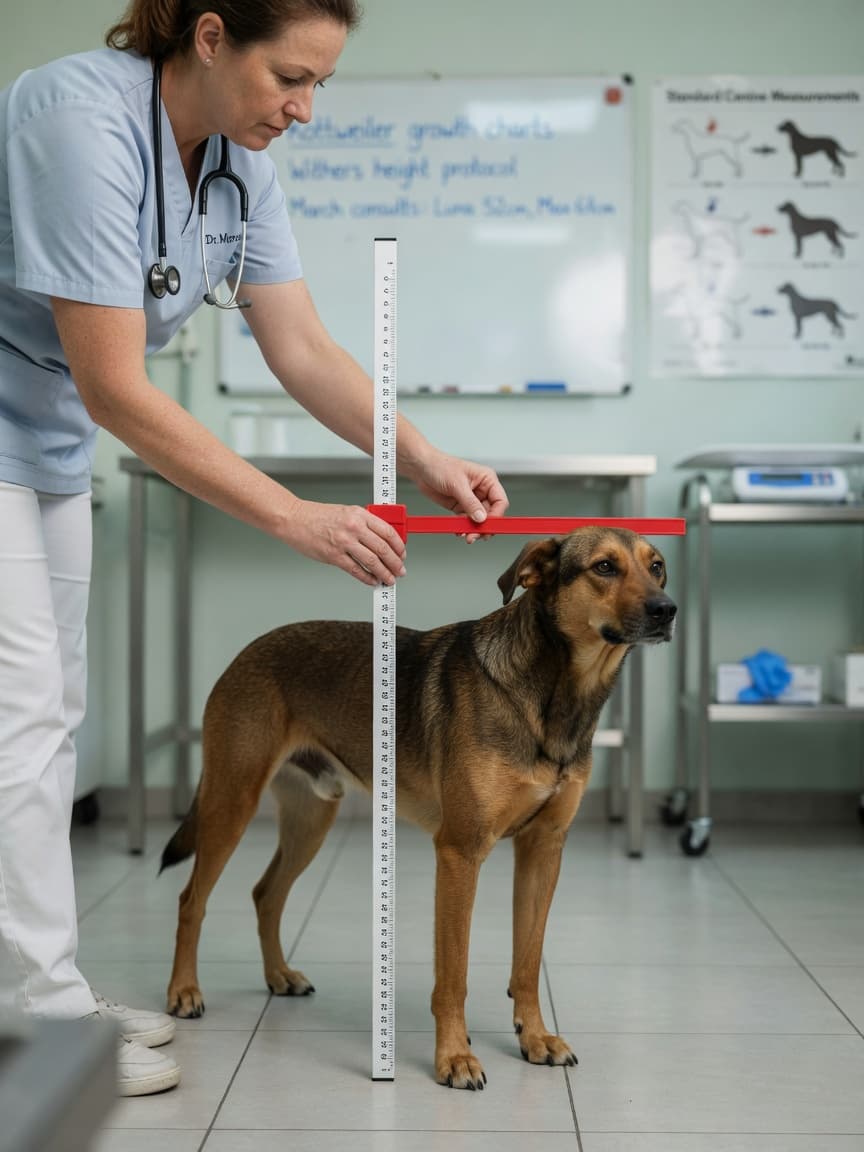
How to Measure a Dog's Height: 3 Vet-Approved Tips
Whether you're filling out breed standards for a show entry, monitoring your puppy's growth, or simply curious about your dog's dimensions, knowing how to measure height accurately is more important than you might think. Accurate measurements help your veterinarian assess whether your dog is developing healthily, ensure proper medication dosing, and determine appropriate exercise levels for your pet's size. In this guide, I'll share the three vet-approved methods I recommend to pet owners across Europe, along with practical tips to make the process stress-free for both you and your furry friend.
Why Accurate Dog Height Measurements Matter
Many pet owners underestimate the importance of knowing their dog's exact measurements. Height isn't just a vanity metric—it's essential health information. Veterinarians use height measurements to calculate appropriate medication doses, assess whether a dog is at a healthy weight relative to their frame, and monitor growth in puppies. Additionally, if you're planning to travel with your dog or enter competitions, accurate measurements are often required by breed clubs and transportation guidelines.
Tip 1: The Withers Method (Most Accurate)
The withers method is the gold standard used by veterinarians, breed clubs, and dog show judges. The withers is the highest point of your dog's shoulder, located just behind the neck where the shoulder blades meet.
- Place your dog on a flat, hard surface such as a kitchen tile or concrete floor—avoid carpets, which compress and give inaccurate readings
- Ensure your dog stands naturally with their legs straight and perpendicular to the ground
- Position yourself at your dog's side with the measuring tape or measuring stick vertical
- Place the base of the tape or stick on the floor directly under the withers
- Read the measurement where the tape meets the highest point of the withers
- Record the measurement in centimetres for consistency
This method works best when your dog is calm and standing still. Consider measuring during a quiet time of day or after a gentle walk when your dog is relaxed but not overly tired.
Tip 2: The Wall Measurement Technique
This simple household method works surprisingly well for most dog owners and requires minimal equipment:
- Stand your dog sideways against a blank wall
- Ensure all four paws are flat on the ground and the dog's posture is natural and upright
- Place a thin book or piece of card flat on top of your dog's head, resting it against the wall
- Mark the wall with a pencil where the bottom of the book meets the wall
- Measure from the floor to your pencil mark using a measuring tape
This method is excellent for regular monitoring because you can use the same wall repeatedly, creating a visual growth chart over time. Many owners find this technique less stressful for their dogs as it requires minimal handling.
Tip 3: The Hand-Height Reference Method
For a quick, informal assessment, many vets use hand measurements. Whilst less precise than the previous methods, this approach is helpful when you need a rough estimate:
- Measure your own hand from wrist to fingertip (typically 17-20 centimetres for most adults)
- Stand your dog in a natural position
- Place your hand vertically against your dog's withers
- Calculate the approximate height by multiplying hand lengths
This method works best as a secondary check and isn't suitable for official breed documentation.
Common Measurement Mistakes to Avoid
Several factors can compromise accuracy. Avoid measuring on soft surfaces like grass or carpet. Don't measure when your dog is sitting or in an unnatural stance. Never measure from nose to tail—that's length, not height. Finally, take measurements at the same time of day, as dogs can be slightly taller in the morning before activity compresses their joints.
Key Takeaways
Accurate height measurement is a straightforward skill that benefits your dog's healthcare journey. The withers method remains the most reliable approach endorsed by veterinary professionals. Whichever technique you choose, consistency matters more than perfection. Record your measurements and share them with your veterinarian during regular check-ups. With these three vet-approved tips, you'll have the accurate information needed to ensure your beloved companion receives the best possible care tailored to their size and needs.