
What Causes Intervertebral Disc Disease in Dogs?
Intervertebral disc disease (IVDD) is one of the most common neurological conditions affecting dogs, yet many pet owners don't understand what causes it or how to protect their furry companions. Whether your dog is a playful young spaniel or a senior dachshund, understanding the risk factors behind this painful spinal condition can help you make informed decisions about their health and wellbeing. In this article, we'll explore the science behind IVDD, identify the breeds most at risk, and discuss practical steps you can take to reduce your dog's chances of developing this debilitating condition.
Understanding the Anatomy Behind IVDD
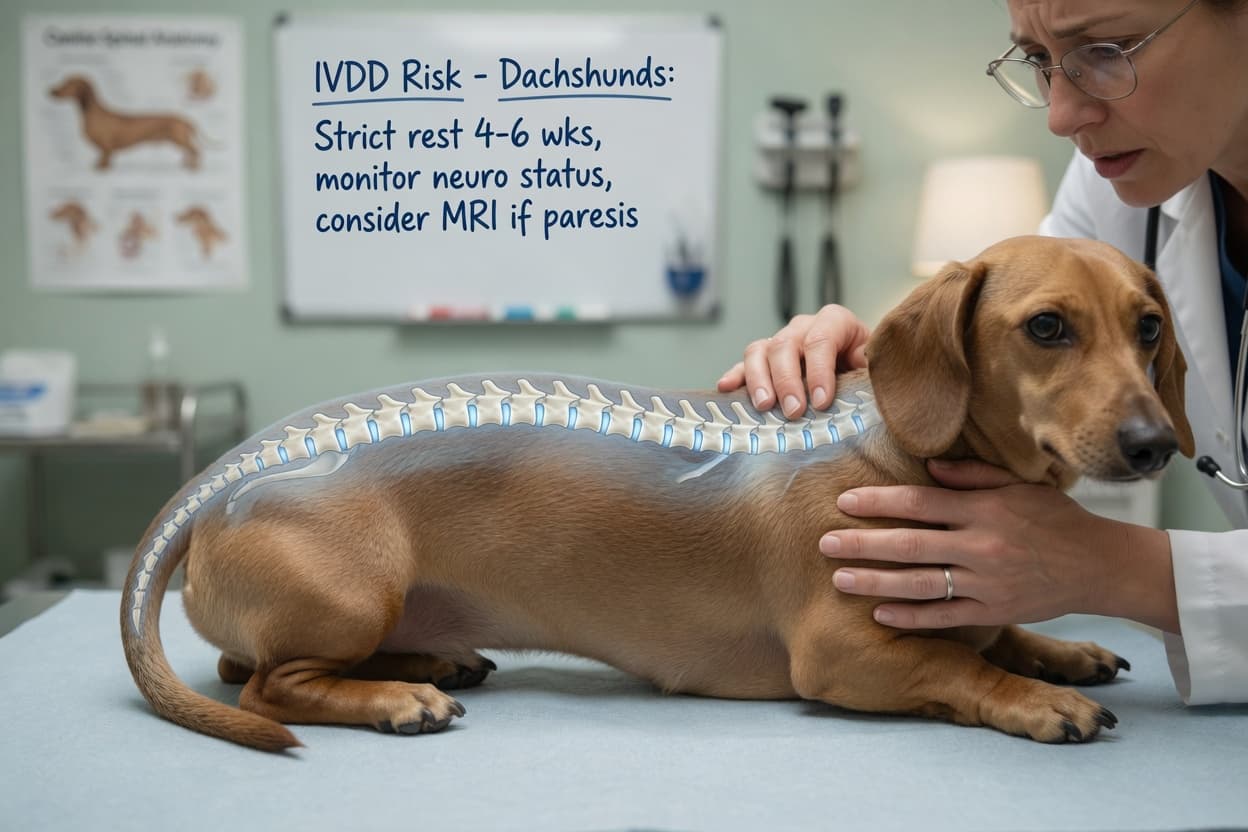
To grasp what causes intervertebral disc disease, it helps to understand your dog's spinal structure. Between each vertebra in the spine sits an intervertebral disc—a cushion-like structure composed of a tough outer layer (annulus fibrosus) and a gel-like centre (nucleus pulposus). These discs act as shock absorbers, allowing flexibility and protecting the spinal cord from trauma.
When a disc degenerates or herniates, the nucleus pulposus can rupture through the annulus and press against the spinal cord. This pressure causes inflammation, pain, and potentially neurological damage. The severity ranges from mild discomfort to complete paralysis, depending on the extent of the compression.
Primary Causes of Intervertebral Disc Disease
IVDD develops through two main mechanisms:
- Type I IVDD (Hansen Type I): Occurs when the disc nucleus degenerates and becomes calcified. This fragmented material can suddenly rupture, causing acute spinal cord compression. This type typically affects younger to middle-aged dogs and progresses rapidly.
- Type II IVDD (Hansen Type II): Develops gradually as the disc's outer layer thickens and protrudes into the spinal canal. This chronic process usually affects older dogs and causes more gradual neurological decline.
Breed Predisposition and Genetic Factors
Certain breeds have significantly higher risks of developing IVDD due to genetic predisposition and body structure. Chondrodystrophic breeds—dogs with disproportionately short legs and long backs—face particular vulnerability. These include:
- Dachshunds
- Basset Hounds
- Cocker Spaniels
- French Bulldogs
- Pekingese
- Miniature Pinschers
Studies show that approximately 25% of dachshunds will experience clinical signs of IVDD during their lifetime. Their elongated spines place excessive stress on intervertebral discs, accelerating degenerative changes.
Lifestyle and Environmental Risk Factors
Beyond genetics, several modifiable factors increase IVDD risk:
- Obesity: Excess weight places additional stress on the spine, accelerating disc degeneration. Maintaining a healthy weight is crucial for spinal health.
- High-impact activities: Repetitive jumping, climbing stairs excessively, or traumatic injuries can damage discs prematurely.
- Poor posture habits: Dogs who frequently stand on hind legs or stretch excessively may develop spinal strain.
- Inadequate muscle support: Weak core muscles provide less spinal stability, increasing disc stress.
- Nutritional deficiencies: Insufficient omega-3 fatty acids and antioxidants may compromise disc health.
Age and Disease Progression
Intervertebral discs naturally degenerate with age. Microscopic changes begin in young dogs but typically become clinically significant between ages 3 and 7 years. However, older dogs with Type II IVDD may not show symptoms until their senior years, sometimes as late as age 10 or beyond.
Key Takeaways for Prevention
While you cannot eliminate genetic risk, implementing these strategies helps protect your dog's spine:
- Maintain optimal body weight through balanced diet and regular exercise
- Avoid high-impact activities, particularly in predisposed breeds
- Provide adequate omega-3 supplementation through diet
- Encourage controlled, low-impact exercise like swimming
- Support core strength through controlled activities
- Schedule regular veterinary check-ups to identify early signs
- Handle small dogs correctly, supporting their entire spine
Understanding what causes IVDD empowers you to make proactive health choices. If your dog shows signs of spinal discomfort—reluctance to jump, stiffness, or hind limb weakness—consult your vet promptly. Early intervention often prevents progression and preserves your dog's quality of life.