
Why Do Dogs Eat Dirt? - Whole Dog Journal
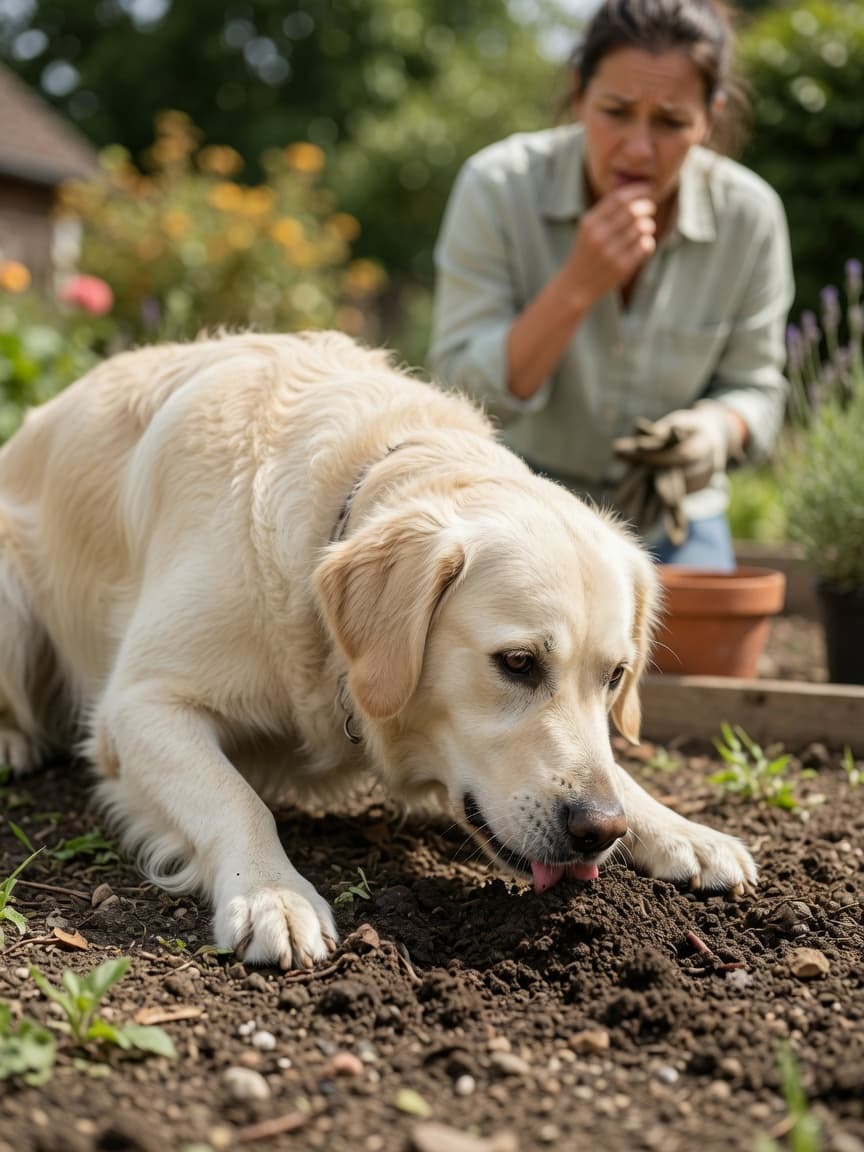
If you've ever caught your dog munching on soil during a walk, you're not alone. This common behaviour, known as pica when it becomes excessive, can worry even the most relaxed pet owner. But whilst it might seem peculiar, there are actually several legitimate reasons why your furry friend might be snacking on dirt—and understanding them is the first step towards addressing the issue.
Medical Reasons Behind Dirt Eating
One of the most important reasons dogs eat dirt relates to their health. Before assuming behavioural causes, it's wise to consider medical factors.
- Nutritional deficiencies: Dogs lacking essential minerals like iron, calcium, or zinc may instinctively seek them out in soil. This behaviour often indicates a gap in their diet.
- Digestive issues: Some dogs eat dirt to soothe upset stomachs. The soil can act as a natural antacid, similar to why humans take antacids.
- Parasites: Intestinal parasites can trigger unusual cravings and eating behaviours. If your dog eats dirt frequently, a faecal test from your vet is advisable.
- Anaemia: Dogs with low red blood cell counts sometimes develop pica. This requires veterinary diagnosis and treatment.
- Diabetes and other conditions: Increased appetite and strange eating habits can signal underlying metabolic issues.
If your dog has recently started eating dirt, scheduling a veterinary check-up should be your first action. Your vet can rule out malnutrition, parasites, and disease before exploring behavioural explanations.
Behavioural and Psychological Factors
Sometimes, dirt eating has nothing to do with physical health and everything to do with your dog's mind or environment.
- Boredom: Under-stimulated dogs often develop destructive habits, including soil consumption. Dogs require both physical exercise and mental enrichment daily.
- Anxiety: Stressed or anxious dogs may eat dirt as a self-soothing behaviour, particularly during thunderstorms or when separated from their owners.
- Attention-seeking: If eating dirt consistently gets a reaction from you, your dog may continue the behaviour for social interaction.
- Curiosity: Puppies especially explore their world through their mouths. Young dogs may eat dirt out of pure inquisitiveness.
- Texture preferences: Some dogs simply enjoy the texture and taste of soil—particularly muddy areas with organic matter.
Health Risks Associated with Dirt Eating
Whilst occasional dirt nibbling rarely causes harm, regular consumption poses genuine health concerns:
- Parasite transmission from contaminated soil
- Bacterial infections (E. coli, salmonella)
- Intestinal blockages if large amounts are ingested
- Exposure to pesticides or fertilisers
- Dental damage from eating hard, compacted soil
What You Can Do About It
Management strategies depend on identifying the underlying cause, but several practical approaches work for most dogs:
- Visit your veterinarian: Rule out medical conditions and nutritional gaps. Discuss your dog's current diet with your vet.
- Increase exercise: Ensure your dog receives adequate physical activity—typically 30 minutes to 2 hours daily, depending on breed and age.
- Provide mental stimulation: Use puzzle toys, training sessions, and interactive games to keep your dog's mind engaged.
- Supervise outdoor time: Monitor your dog closely during garden time and redirect them when they approach soil.
- Improve diet quality: Feed a complete, balanced diet appropriate for your dog's age and size. Consider whole-food supplements if recommended by your vet.
- Address anxiety: If stress-related, consult a professional dog behaviourist or trainer.
- Avoid punishment: Scolding often increases anxiety and reinforces the behaviour. Positive redirection works better.
Key Takeaways
Dirt eating is usually manageable once you understand its cause. Start with a vet visit to eliminate medical issues, then focus on environmental enrichment and dietary optimisation. Most dogs respond well to increased activity, mental stimulation, and addressing anxiety. Remember, patience and consistency are essential—behavioural changes rarely happen overnight. If your dog's dirt eating persists despite your efforts, a certified animal behaviourist can provide personalised guidance tailored to your pet's specific needs.