
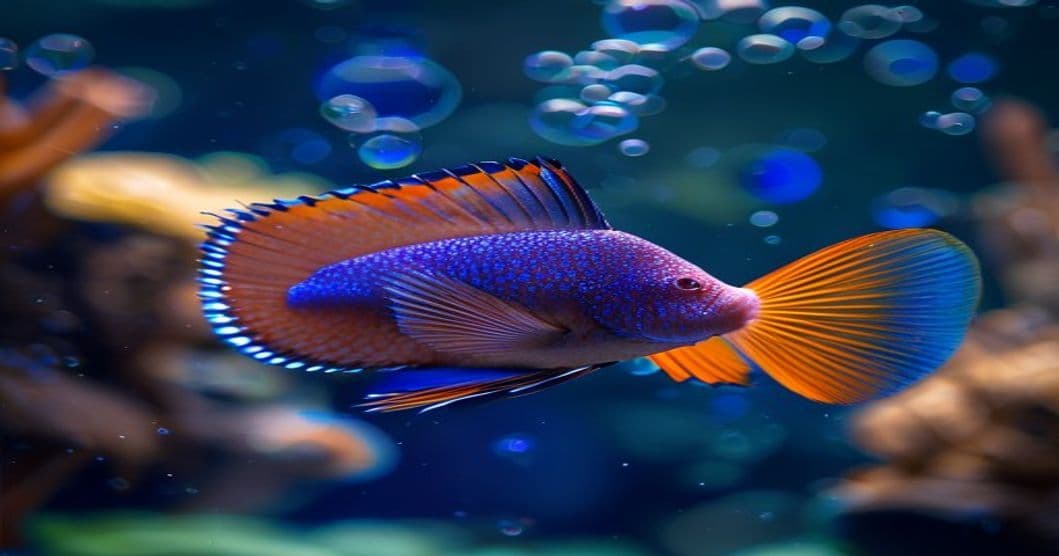
Betta Fish Care Guide: Tank Size, Water & Common Mistakes
The Truth About Betta Fish "Hardiness"
Betta splendens — the Siamese fighting fish — is one of the most popular aquarium fish in the world, and one of the most misunderstood. They're marketed as easy, low-maintenance pets that can thrive in a vase or a bowl. The reality is more nuanced. Bettas are hardy in the sense that they can survive a wide range of conditions thanks to their labyrinth organ, which lets them breathe atmospheric air. But survival is not the same as thriving. A betta in a 1-gallon bowl isn't flourishing — it's enduring.
Wild bettas live in shallow, warm, heavily vegetated waters in Thailand, Cambodia, Laos, and Vietnam. Rice paddies, slow-moving streams, and floodplains are their natural habitat. These environments are warm, slightly acidic, and rich in plant cover. Recreating these conditions in your home aquarium is the key to keeping a healthy, active, long-lived betta.
Tank Size: The Minimum That Actually Works
The minimum recommended tank size for a single male betta is 5 gallons. Many experienced keepers prefer 10 gallons, which provides more stable water chemistry and more room for the fish to patrol its territory. Anything under 5 gallons creates problems: temperature swings are more extreme, ammonia spikes faster, and the fish has no room to express natural behaviors like foraging, exploring, and resting in different locations.
Female bettas, which are far less aggressive than males, can be kept in groups of 5 or more in a "sorority tank" of at least 20 gallons with plenty of plants and hiding spots. Never house two male bettas together — they will fight to the death. Males can also be aggressive toward fish with long, flowing fins (guppies, fancy platies) that they may mistake for rival bettas.
Good tankmates for male bettas in larger tanks include: corydoras catfish, snails (nerite or mystery), small tetras like ember tetras, and certain rasboras. Avoid fin-nipping species like tiger barbs.
Water Parameters: What Bettas Actually Need
Bettas are tropical fish and need warm, stable water. Here are the ideal parameters:
- Temperature: 76–82°F (24–28°C) — a heater is not optional
- pH: 6.5–7.5 — they tolerate a range but prefer slightly acidic to neutral
- Ammonia: 0 ppm (any detectable ammonia is harmful)
- Nitrite: 0 ppm
- Nitrate: under 20 ppm with regular water changes
- Water hardness: 3–4 dGH preferred, though they adapt to moderate hardness
Use a quality aquarium heater with a thermostat and a reliable thermometer. Temperature fluctuations of more than 2–3°F in a day can stress bettas and trigger disease. Avoid placing the tank near air conditioning vents, drafty windows, or direct sunlight.
Tap water treated with a dechlorinator like Seachem Prime is fine for most bettas. Never use distilled water (it lacks minerals) and never use untreated tap water (chlorine and chloramines are lethal to fish).
Filtration: Flow Rate Matters
Bettas need filtration to keep ammonia and nitrite at zero — but they come from slow-moving water and can struggle with strong currents. High-flow filters can exhaust bettas, damage their fins, and stress them chronically. Choose a filter rated for your tank size but set to a gentle output, or use a sponge filter, which provides excellent biological filtration with very low flow. You can also baffle a hang-on-back filter with a piece of filter sponge or a plastic bottle to diffuse the output.
Signs that your filter flow is too strong: your betta struggles to swim forward, hides behind decorations constantly, or has clamped fins.
The Labyrinth Organ and Surface Access
Bettas breathe air from the surface using their labyrinth organ — an accessory breathing organ that developed as an adaptation to oxygen-poor environments. This means two things: first, they must have access to the water surface at all times (never seal a betta tank airtight); second, the air above the water should be warm. In a cold room, bettas exposed to cold air at the surface can develop respiratory infections. Keep a gap of 1–2 inches between the water surface and the tank lid, and make sure the room temperature stays close to tank temperature.
Feeding Your Betta
Bettas are carnivores. In the wild, they eat insects, insect larvae, and small invertebrates. High-protein, carnivore-specific pellets should form the base of their diet. Look for pellets that list whole fish or shrimp as the first ingredient, not wheat or corn fillers.
Feed 2–4 small pellets once or twice a day. Overfeeding is one of the most common mistakes — uneaten food rots, spikes ammonia, and can cause constipation in bettas. A betta's stomach is roughly the size of its eye, which is a useful visual guide. Fast your betta one day per week to help digestion.
Supplement with live or frozen foods: bloodworms, daphnia, brine shrimp, and mosquito larvae are all excellent. Freeze-dried versions are acceptable but should be rehydrated before feeding to prevent bloat.
Common Betta Keeping Mistakes
- Skipping the nitrogen cycle: Never add a betta to a new, uncycled tank. Ammonia spikes will cause chemical burns and death. Cycle your tank for 4–6 weeks first.
- No heater: Room temperature is rarely stable enough. A 25W adjustable heater costs under $15 and can add years to your betta's life.
- Keeping males together: Always fatal. Even seeing their reflection can cause chronic stress — use a background on the tank sides.
- Bowls and vases: Too small, no filtration, temperature unstable. Not suitable as permanent housing.
- Overfeeding: Leads to water quality crashes, constipation, and bloat.
- Sharp decorations: Bettas' fins tear easily on plastic plants with rough edges. Use silk or live plants instead. Test plastic plants with a nylon stocking — if it snags, it will tear fins.
Tank Setup: Plants and Hiding Spots
Bettas are intelligent, territorial fish that explore their environment. A bare tank with no decoration is stressful. Provide at minimum: a hiding spot (a cave, a hollow log, or dense plant coverage), floating plants (Indian almond leaves, java moss, or frogbit work well), and some visual breaks so the fish can retreat from sightlines. Fishkeeping World's betta guide has an excellent tank setup walkthrough for beginners.
Live plants offer the additional benefit of consuming nitrates and providing natural surface cover. Easy betta-compatible plants include java fern, anubias, hornwort, and java moss — none require CO2 injection or high-intensity lighting.
Key Takeaways
- Minimum tank size: 5 gallons, with a heater and gentle filtration
- Ideal water temperature: 76–82°F; pH 6.5–7.5; ammonia and nitrite must be 0 ppm
- Cycle the tank before adding any fish — this is non-negotiable
- Bettas are carnivores; feed high-protein pellets and supplement with frozen/live foods
- Never house two males together; choose tankmates carefully
- Provide plants and hiding spots for mental enrichment
References
- Jaroensutasinee M, Jaroensutasinee K. "Bubble nest habitat characteristics of wild Siamese fighting fish." Journal of Fish Biology. 2001. PMID: 11386534
- Forsatkar MN, Nematollahi MA, Brown C. "Male Siamese fighting fish use gill flaring as the first display towards territorial intruders." Journal of Ethology. 2017. PMID: 28163376
Additional resource: AVMA Fish Welfare Resources