
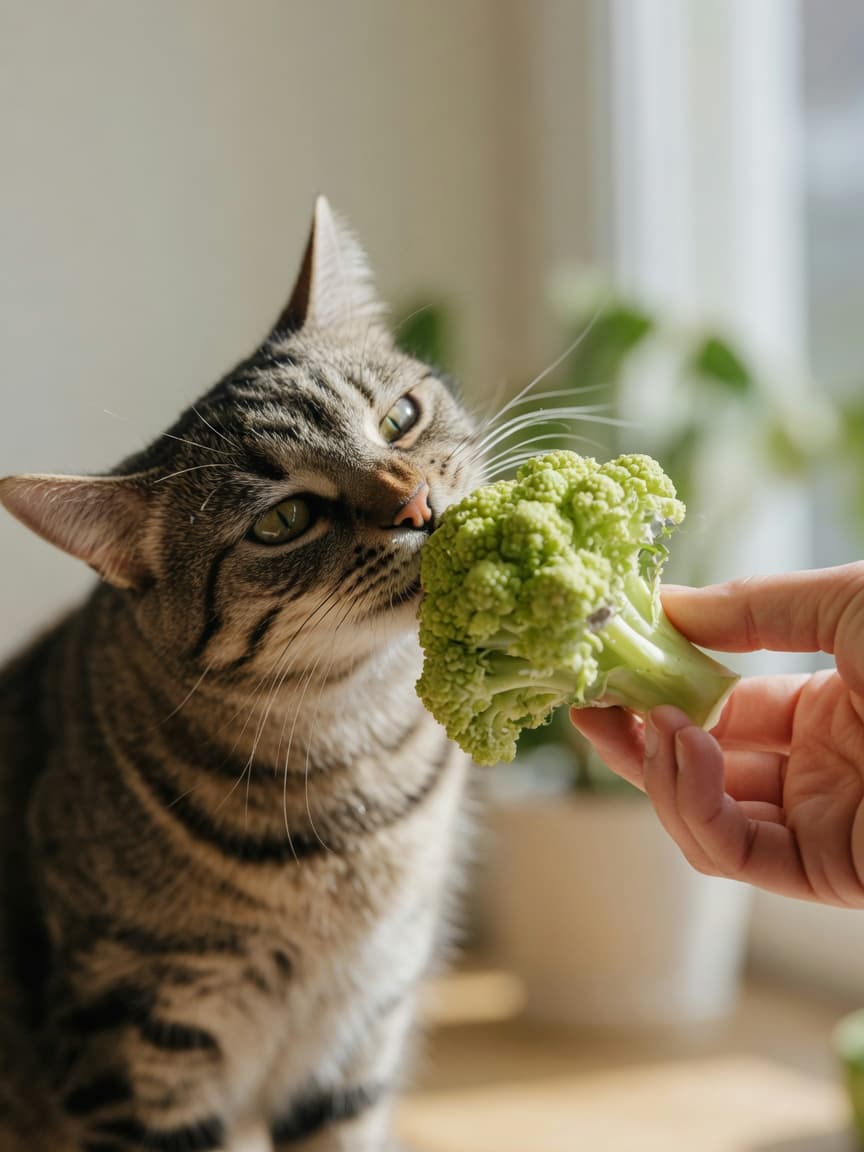
Can Cats Eat Cauliflower?
Yes, cats can eat cauliflower in moderation. It is generally safe for feline friends and can be offered as an occasional treat, though it should never replace their regular diet. Since cats are obligate carnivores, cauliflower must be understood as a supplementary food rather than a nutritional staple.
Is Cauliflower Nutritious for Cats?
Cauliflower contains several nutrients that can be beneficial in small quantities. It is low in calories, contains fibre, and provides some vitamins and minerals including vitamin C, vitamin K, and potassium. However, these nutritional benefits are far less important to cats than they are to humans, since cats require amino acids found primarily in meat.
The real advantage of offering cauliflower to your cat is not nutritional density but rather the mental enrichment and variety it can provide. Some cats enjoy exploring different textures and tastes, and a small piece of cauliflower may serve as an interesting occasional snack.
How Much Cauliflower Can You Give Your Cat?
Cauliflower should only be offered as an occasional treat, making up no more than 5–10% of your cat's daily calorie intake. For most cats, this means a small floret once or twice per week at most. Remember that treats should never compromise the nutritional balance of their primary diet, which should be high-quality commercial cat food or a veterinarian-approved diet formulated for feline nutritional needs.
If your cat is overweight, has digestive sensitivities, or is managing a medical condition, consult your vet before introducing any new foods, including cauliflower.
How to Serve Cauliflower Safely
Preparation is key to ensuring cauliflower is a safe treat. Always wash the cauliflower thoroughly under running water to remove any pesticide residue or dirt. Raw cauliflower is perfectly safe for cats, but some owners prefer to steam or lightly cook it to soften the florets and make them easier to digest. Never add seasoning, salt, garlic, onion, or oil when preparing cauliflower for your cat.
Cut the florets into small, bite-sized pieces to prevent choking hazards. Offer the cauliflower in a separate bowl or by hand, and always supervise your cat while eating. Most cats will either show interest or ignore the vegetable entirely—this is completely normal behaviour.
Potential Caveats and Considerations
While cauliflower is generally safe, there are a few things to keep in mind. Raw cauliflower can be quite fibrous, and some cats may experience mild digestive upset, including bloating or loose stools, if they consume too much. If your cat has a sensitive digestive system, introduce cauliflower very gradually and watch for any adverse reactions.
Some cats may simply refuse to eat vegetables altogether. Cats are notoriously selective eaters, and their taste preferences are often geared entirely towards meat-based foods. If your cat shows no interest in cauliflower, there is no benefit to pushing the issue.
Additionally, cruciferous vegetables like cauliflower contain compounds that, in very large quantities, could theoretically interfere with iodine absorption. However, the tiny portions your cat would eat as an occasional treat pose no realistic risk.
When to Avoid Cauliflower
Do not offer cauliflower if it has been prepared with butter, oil, salt, garlic, onion, or other seasonings. Never give your cat cauliflower if they have a known allergy or intolerance to vegetables. If your cat has kidney disease, diabetes, or digestive disorders, always consult your veterinarian before offering new foods.
The Bottom Line
Cauliflower is a safe, occasional treat for most healthy cats. It poses no toxicity risk and may provide a moment of enrichment or curiosity. However, remember that your cat's nutritional needs are met through a balanced, meat-based diet. Cauliflower should never become a staple food or meal replacement. If you have any concerns about your individual cat's diet or health, speak to your veterinarian for personalised guidance.