
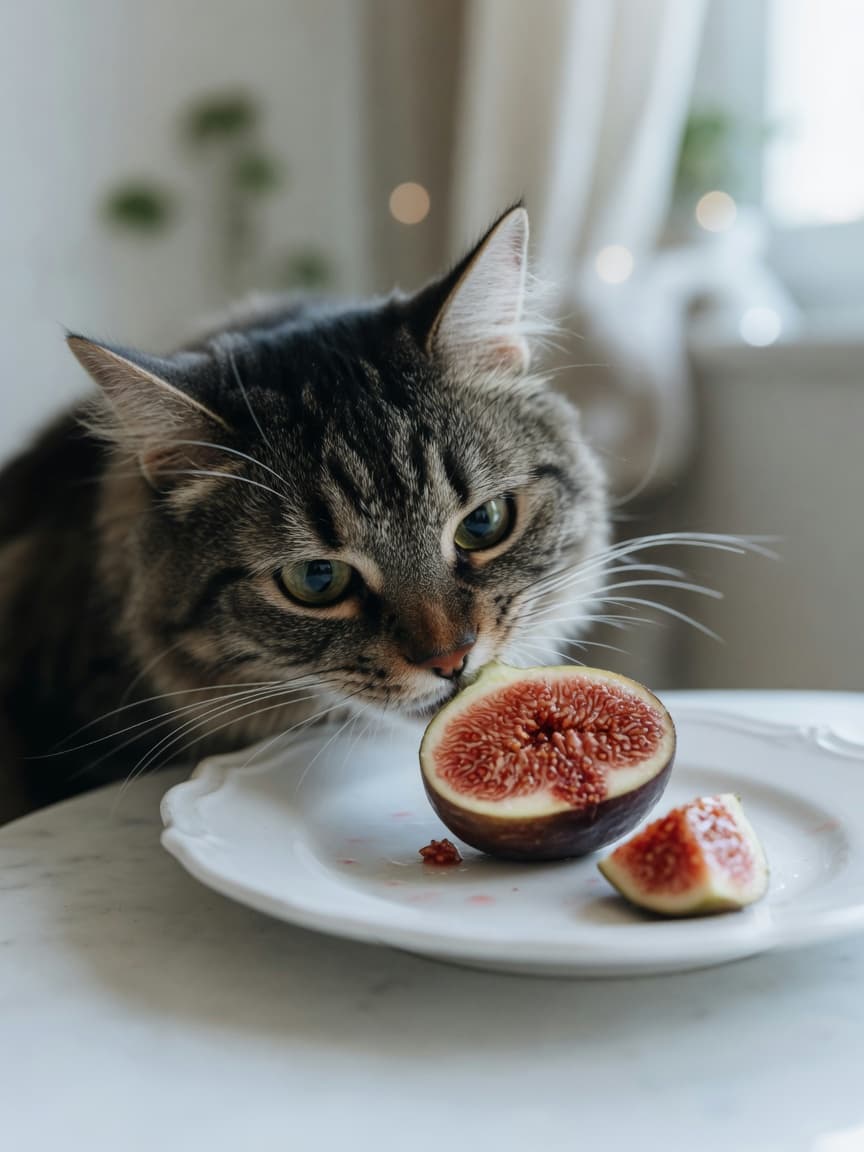
Can cats eat figs?
Yes, cats can eat figs in moderation. Figs are generally safe for cats as an occasional treat, though they are not a necessary part of a feline diet. If you're considering offering your cat a small amount of fig, it's important to understand the benefits, appropriate serving sizes, and how to prepare them safely.
Are figs nutritious for cats?
Figs do contain some nutritional value. They are a source of dietary fibre, antioxidants, and minerals including potassium and magnesium. However, it's worth remembering that cats are obligate carnivores. This means their bodies are designed to thrive on a meat-based diet, and they have limited nutritional requirements from plant foods. While figs won't harm your cat in small quantities, they won't contribute significantly to their core nutritional needs.
The fibre in figs may occasionally help with digestion, but cats generally obtain sufficient fibre from a balanced commercial or home-prepared meat-based diet. If your cat is experiencing digestive issues, it's best to consult your veterinary surgeon rather than introducing new foods.
How much fig can I give my cat?
If you wish to offer your cat a fig, limit it to a very small amount—roughly the size of a marble or small grape—and only as an occasional treat. This should not replace any portion of their regular meals. Most cats will do perfectly well without ever eating a fig, so there is absolutely no obligation to include them in your cat's diet.
Treats of any kind (including figs) should make up no more than 10% of your cat's daily calorie intake. For most cats, this means a tiny piece of fig once or twice a week at most, rather than daily.
How to serve figs safely to your cat
If you decide to offer your cat a fig, follow these simple safety steps:
Choose ripe, fresh figs. Avoid dried figs, which are more concentrated in natural sugars and can be a choking hazard due to their sticky texture. Fresh figs are softer and easier for your cat to manage.
Remove the skin and seeds. Wash the fig thoroughly and peel away the outer skin. Cut the fig into a very small piece to reduce choking risk. You may also remove the seeds if your cat seems unsure about them.
Serve plain. Never offer figs that have been cooked with sugar, honey, or other sweeteners. These additions are unnecessary and could contribute to weight gain or dental problems in cats.
Supervise your cat. Watch your cat while they eat the fig to ensure they chew it properly and don't choke. If your cat shows no interest, that's completely normal—most cats are indifferent to fruit.
Important caveats
Whilst fresh figs are safe, there are some important exceptions. Avoid fig jam, fig paste, and dried figs, which contain concentrated sugars and may include additives harmful to cats. Fig leaves and unripe figs contain compounds that can irritate your cat's mouth and digestive system, so only offer ripe, fresh fruit.
If your cat has diabetes, obesity, or other health conditions, check with your veterinary surgeon before introducing any new foods, even in tiny amounts. Some cats may also have individual sensitivities, so watch for any signs of an upset stomach after the first introduction.
What if my cat eats a larger amount?
A small accidental ingestion of ripe fig flesh is unlikely to cause harm. However, if your cat consumes a significant quantity, monitor them for signs of digestive upset such as vomiting, diarrhoea, or loss of appetite. If your cat shows these symptoms or you're concerned, contact your veterinary surgeon.
The bottom line
Figs are safe for cats in small, occasional amounts, but they are not necessary and most cats will thrive without them. If you want to offer your cat a treat, stick to small pieces of ripe, fresh fig prepared plain and without skin or seeds. Always prioritise a balanced, meat-based diet as the foundation of your cat's nutrition, and save figs for rare occasions if your cat shows interest. When in doubt, your veterinary surgeon is the best source of guidance on what treats suit your individual cat.