
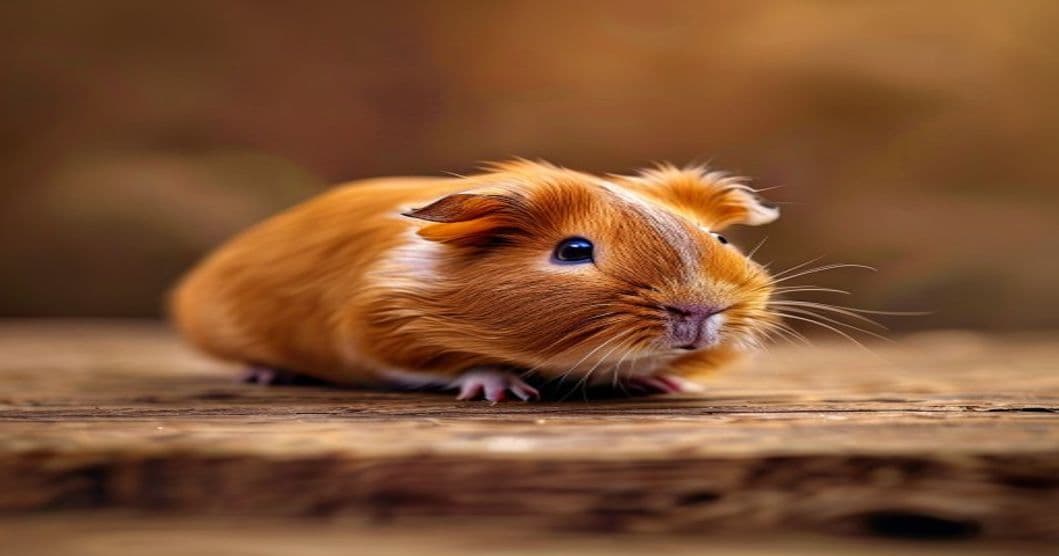
- Safe? Yes — in moderation
- Serving size: 1–2 small slices per session
- Frequency: 2–3 times per week maximum
- Remove seeds and core before serving (cyanide risk)
- Skin: fine to leave on, well-washed
- High sugar — never a daily staple
- Always offer alongside fresh hay and water
Can Guinea Pigs Eat Apples?
By Sarah Bennett, Certified Animal Nutritionist
If you've ever held a crisp apple slice near your guinea pig's cage and watched those tiny nostrils twitch with excitement, you already know the answer feels like a yes. And it is — with a few important caveats. Apples are a safe, enjoyable fruit treat for guinea pigs, but the details matter quite a lot. Understanding how to serve apples correctly can mean the difference between a healthy little treat and an accidental health hazard.
Why Vitamin C Matters So Much for Guinea Pigs
Before we talk about apples specifically, it's worth understanding something fundamental about guinea pig biology: like humans, guinea pigs cannot synthesize their own vitamin C. They lack the enzyme L-gulonolactone oxidase, which most other mammals use to produce ascorbic acid internally. This means every single milligram of vitamin C your guinea pig gets must come from diet.
Without adequate vitamin C, guinea pigs develop scurvy — a painful, progressive condition that causes swollen joints, rough coat, lethargy, and in severe cases, death. The daily requirement is between 10 and 50 mg depending on age, health status, and whether the animal is pregnant or nursing. Apples contain modest vitamin C (about 4–5 mg per 100g), which means they contribute to this requirement but should never be the primary source. Bell peppers, parsley, and leafy greens should carry the bulk of the vitamin C load.
Are Apples Safe for Guinea Pigs?
Yes, apple flesh is safe and most guinea pigs enjoy it enthusiastically. Apples provide a small amount of vitamin C, natural sugars for quick energy, and dietary fiber that supports gut motility. They also offer antioxidants including quercetin and catechins, which have been linked to anti-inflammatory effects in various animal models.
However, apples are relatively high in natural sugar compared to the vegetables that should form the core of a guinea pig's fresh food diet. Too much sugar can lead to digestive upset, loose stools, and over time, weight gain and dental problems. This is why apples are firmly in the "occasional treat" category rather than a daily offering.
The Seed and Core Warning — This Is Non-Negotiable
Apple seeds contain amygdalin, a cyanogenic glycoside that releases hydrogen cyanide when metabolized. For a small animal like a guinea pig, even a few seeds represent a meaningful toxic dose. The core should also be removed — not because it is toxic in itself, but because it is tough, difficult to chew cleanly, and significantly increases the risk of a guinea pig gnawing through to the seed pocket.
Always slice the apple, remove the core completely, pick out every visible seed, and then offer only the clean flesh. This takes about thirty seconds and eliminates the risk entirely. Never offer a whole or half apple where a guinea pig could access the core on their own.
To Peel or Not to Peel?
The skin is fine to leave on, and many guinea pigs prefer it — the extra texture adds interest and the skin contains additional fiber and polyphenols. The only requirement is thorough washing. Apple skin can carry pesticide residue, wax coatings, or agricultural chemicals. Wash the apple under running water, scrub gently, and consider choosing organic apples when possible if your guinea pig eats the skin regularly.
How Much and How Often?
A safe serving is one to two thin slices — roughly the equivalent of 10–15 grams of apple flesh. Offering this two to three times per week is appropriate. More than that, and the cumulative sugar load begins to outweigh the benefits. Some owners offer apple as a once-a-week special treat alongside other fruits in rotation (strawberries, blueberries, melon), which is also a sensible approach.
Watch your guinea pig after the first few introductions. Some individuals have more sensitive digestive systems than others. Soft stools, reduced appetite, or unusual behavior after apple consumption are signals to reduce the amount or frequency.
What to Pair with Apples for a Balanced Diet
Apples work best as part of a broader, balanced fresh food offering. A good daily vegetable plate might include a small amount of leafy greens (romaine, green leaf lettuce), a strip of red bell pepper for concentrated vitamin C, and perhaps some cucumber or zucchini for hydration. Fruits like apple can then rotate in as the sweet element two or three times per week.
The foundation of the diet, however, must always be unlimited timothy hay. Hay provides the long-strand fiber that keeps a guinea pig's continuously-growing molars worn correctly and their hindgut fermentation running smoothly. No amount of excellent fresh food makes up for insufficient hay.
Browse guinea pig nutrition products at Zooplus →
Fresh hay, vitamin C-enriched pellets, and more from trusted brands.
Red Apples vs. Green Apples
Both are safe. Green apples (such as Granny Smith) tend to be slightly more tart and lower in sugar, which some owners prefer for this reason. Red varieties like Gala or Fuji are sweeter and often more readily accepted by picky eaters. Neither type is significantly superior — pick whichever is fresh and available, and remember to wash and de-seed regardless of variety.
Signs of Too Much Sugar in Your Guinea Pig's Diet
If you are offering apple alongside other fruits regularly, watch for early signs that the sugar content is becoming an issue. These include loose or unusually soft droppings, a shift toward eating less hay (hay avoidance is a red flag in guinea pigs), gradual weight gain, or reduced activity. If you notice any of these, cut back on fruit overall and increase the proportion of leafy greens in the fresh food rotation.
Key Takeaways
- Apples are safe for guinea pigs in moderation — 1–2 slices, 2–3 times per week.
- Always remove seeds and core completely before serving; apple seeds contain cyanide-releasing compounds.
- The skin is fine to leave on after thorough washing.
- Apples are high in sugar and should be a treat, not a staple food.
- Guinea pigs cannot make their own vitamin C — bell peppers and leafy greens should be the primary source, not fruit.
- Timothy hay must always be available in unlimited quantities as the dietary foundation.
- Introduce any new food gradually and monitor for digestive changes.
References
- Navia JM, Hunt CE. "Nutrition, nutritional diseases, and nutrition research applications." In: The Biology of the Guinea Pig. Academic Press; 1976. [Referenced via PubMed-indexed review: PMID 1068558]
- Clauss M, Burger B, Liesegang A, et al. "Influence of diet on calcium metabolism, tissue calcification and urinary sludge in rabbits (Oryctolagus cuniculus)." J Anim Physiol Anim Nutr. 2012;96(5):798–807. PMID: 21848643. [Rodent dietary mineral context applied to cavy husbandry literature.]