
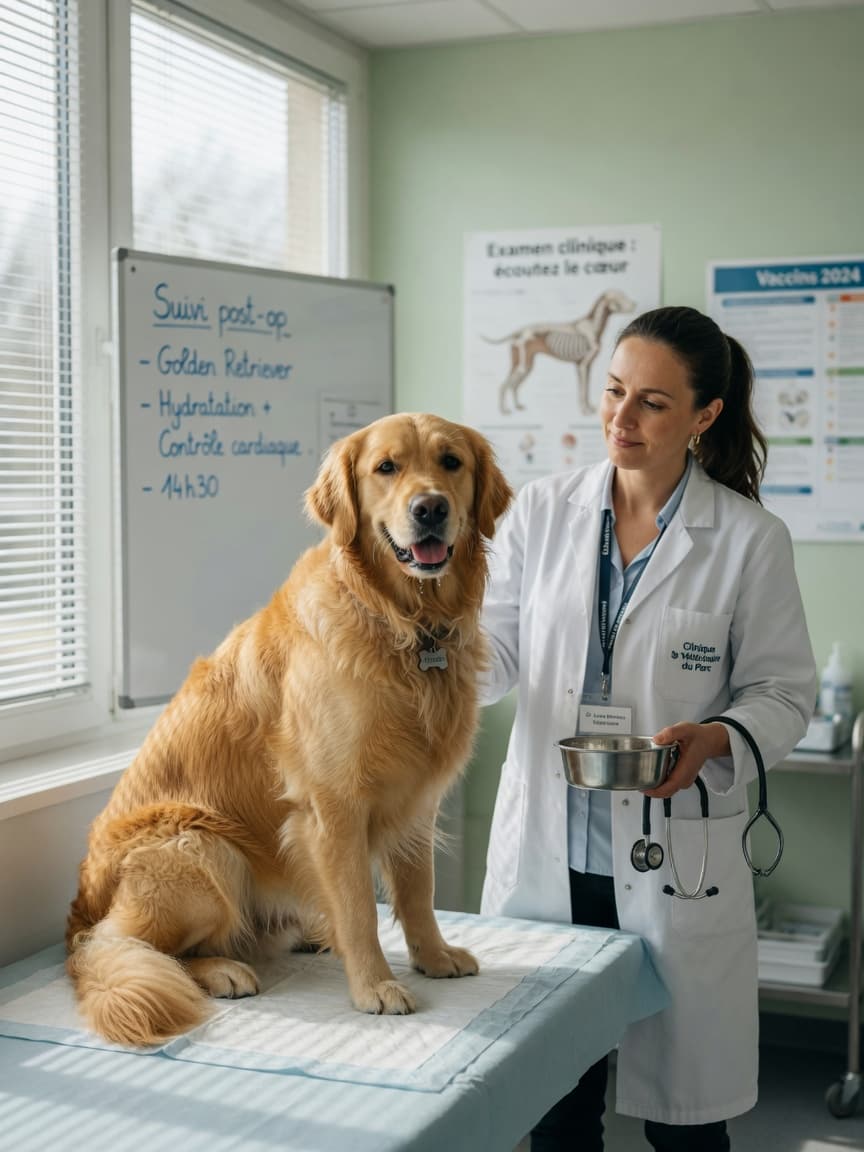
What Is Polydipsia and Polyuria in Dogs?
Polydipsia means excessive thirst — drinking significantly more water than usual. Polyuria means producing significantly more urine than usual. In clinical practice, these two signs almost always appear together, which is why vets refer to them as PU/PD. The combination is an important clinical signal: it tells you that something is disrupting the normal balance between fluid intake, kidney function, and the hormonal systems that regulate both.
Defining "excessive" can be tricky because normal water intake varies with diet (wet food versus dry kibble), activity level, ambient temperature, and body size. As a rough guide, most healthy dogs drink between 20 and 70 ml of water per kilogram of body weight per day. If your dog is repeatedly emptying the water bowl, asking to go outside to urinate more often than usual, or having accidents indoors, polydipsia and polyuria may be present.
Common Causes of Excessive Thirst in Dogs (Most to Least Frequent)
1. Heat and Exercise
The most common and benign explanation. Dogs pant to dissipate heat, losing significant amounts of water in the process. Hot weather, vigorous exercise, or time in a warm environment will cause any healthy dog to drink more. This type of increased thirst is entirely normal, resolves with rest and cooling, and is not a cause for concern provided the dog is otherwise well.
2. Diet
Dogs fed exclusively on dry kibble will drink considerably more water than dogs fed wet or raw food — because kibble contains very little moisture, while wet food can be up to 80% water. A recent switch from wet to dry food will therefore result in a noticeable increase in water intake. Salty treats or high-sodium diets can also increase thirst. This is a physiological response, not a medical problem, but it is worth being aware of when interpreting changes in drinking behaviour.
3. Diabetes Mellitus
Diabetes is one of the most common hormonal disorders causing PU/PD in dogs. When blood glucose levels are persistently elevated (because the pancreas cannot produce enough insulin, or cells cannot respond to it), glucose spills into the urine, dragging large amounts of water with it. This creates a cycle of increased urination and compensatory thirst. Affected dogs typically also show weight loss despite an increased appetite, lethargy, and — in advanced cases — cataracts. Diabetes is diagnosed with blood and urine tests and is managed with daily insulin injections and dietary management. Neutered female dogs and certain breeds, including Samoyeds, Australian Terriers, and Miniature Schnauzers, have a higher predisposition.
4. Hyperadrenocorticism (Cushing's Syndrome)
Cushing's syndrome — caused by chronically elevated cortisol levels, usually due to a pituitary gland tumour — is a classic cause of dramatic polydipsia and polyuria in dogs. Affected dogs may drink and urinate so excessively that they frequently have accidents indoors despite being previously well toilet-trained. Other hallmark signs include a pot-bellied appearance, muscle wasting, symmetrical hair loss, increased appetite, panting, and susceptibility to skin infections. Cushing's is more common in middle-aged to older dogs, and breeds including the Poodle, Dachshund, Boxer, and Bichon Frisé are predisposed. Diagnosis involves specific hormone stimulation tests and abdominal ultrasound. Treatment options include medication (trilostane or mitotane) or, where appropriate, surgery.
5. Chronic Kidney Disease (CKD)
The kidneys play a central role in concentrating urine and regulating water balance. As kidney function declines — a common occurrence in older dogs — the kidneys lose their ability to concentrate urine effectively, leading to large volumes of dilute urine and compensatory increased drinking. CKD is a progressive condition that requires careful dietary management (low phosphorus diets, controlled protein) and ongoing monitoring. Blood tests, urine specific gravity, and assessment of urine protein-to-creatinine ratio all form part of the diagnostic and monitoring picture. Early detection through routine senior health checks significantly improves long-term quality of life.
6. Pyometra
Pyometra — infection of the uterus — is a life-threatening condition that primarily affects entire (unspayed) female dogs, typically in the weeks following a season. The bacteria involved produce toxins that interfere with the kidneys' ability to concentrate urine, causing marked polydipsia and polyuria. Other signs include lethargy, vomiting, abdominal distension, and a vaginal discharge (in open pyometra). Pyometra is a surgical emergency requiring ovariohysterectomy. Any intact female dog showing excessive thirst in the weeks after a season must be seen by a vet immediately. Spaying eliminates this risk entirely.
7. Hypercalcaemia
Elevated blood calcium — caused by certain cancers, primary hyperparathyroidism, vitamin D toxicity, or other conditions — interferes with the kidney's ability to concentrate urine and causes polydipsia and polyuria. Hypercalcaemia is identified on a standard blood biochemistry panel and requires investigation of the underlying cause.
8. Addison's Disease (Hypoadrenocorticism)
Addison's disease — underactive adrenal glands — can cause increased thirst and urination, alongside lethargy, vomiting, weight loss, and episodes of collapse. It is most commonly seen in young to middle-aged female dogs and is known as the "great pretender" because its signs overlap with so many other conditions. Diagnosis requires a specific ACTH stimulation test, and management involves lifelong hormone replacement therapy.
9. Liver Disease
Hepatic dysfunction disrupts a number of metabolic processes, including those involved in concentrating urine. Dogs with liver disease may show PU/PD alongside vomiting, weight loss, jaundice, behavioural changes, and a distended abdomen. Liver disease is identified through blood tests and imaging.
10. Psychogenic Polydipsia
In some cases — particularly in anxious or bored dogs — excessive drinking has a behavioural rather than medical cause. Psychogenic polydipsia is a diagnosis of exclusion, made only after all medical causes have been ruled out. Environmental enrichment, behavioural therapy, and addressing underlying anxiety are the management approaches.
What Your Vet Will Do: Key Diagnostics
Because so many different conditions cause PU/PD, a structured diagnostic approach is important. Your vet will likely recommend:
- A full blood biochemistry panel — to assess kidney function, liver function, blood glucose, calcium, and electrolytes
- A complete blood count — to assess for anaemia, infection, or inflammation
- Urinalysis including urine specific gravity — to determine how concentrated the urine is
- Urine culture — to rule out urinary tract infection
- Abdominal ultrasound — to assess the kidneys, liver, adrenal glands, and uterus
- Specific hormone tests (ACTH stimulation, low-dose dexamethasone suppression) if Cushing's or Addison's is suspected
Red Flags: When Excessive Thirst Needs Urgent Attention
- Excessive thirst with lethargy, vomiting, or collapse
- Intact female dog with excessive thirst in the weeks following a season — potential pyometra
- Sudden-onset, very severe increase in drinking
- Excessive thirst alongside significant weight loss
- Pale, yellow, or blue-tinged gums
- Signs of abdominal pain or distension
See Your Vet If…
- Your dog's water intake has noticeably and persistently increased without a clear, benign explanation
- Your dog is urinating more frequently, producing larger volumes, or having accidents indoors
- Any of the red flag signs above are present
- Your dog is an intact female that has recently had a season
- Your dog is a senior (over seven years) — PU/PD in older dogs frequently indicates an underlying condition that benefits from early detection
Many of the conditions that cause excessive thirst in dogs are highly manageable when caught early. Routine senior health checks — including annual or biannual blood and urine testing — are one of the most effective ways to detect conditions like diabetes, CKD, and Cushing's syndrome before they cause significant harm.