
How I Got My Baby To Calm Down And Relax
If you've ever watched your young puppy or kitten bounce off the walls, you'll understand the challenge of helping them find their calm. Excessive energy and anxiety aren't just frustrating for pet parents—they can lead to destructive behaviour, sleep deprivation, and stress for the entire household. After working with countless anxious animals over my career as a certified animal nutritionist, I've discovered that helping your baby pet relax requires a multi-faceted approach combining environmental changes, physical activity, nutrition, and patience.
Understand Why Your Pet Needs Calming
Young animals are naturally energetic, but excessive restlessness often signals underlying issues. Puppies and kittens may struggle with separation anxiety, overstimulation, or simply too much pent-up energy. Before implementing solutions, it's worth identifying the root cause. Is your pet anxious when alone? Frightened by loud noises? Simply bursting with youthful energy? Understanding the trigger helps you address the real problem rather than just the symptoms.
Create a Safe, Calm Environment
Your home environment plays a crucial role in your pet's ability to relax. Consider these environmental modifications:
- Designated quiet space: Establish a comfortable corner with a bed or crate where your pet can retreat when overwhelmed
- Reduce sensory overload: Lower background noise, dim excessive lighting, and minimise household chaos during key relaxation times
- Consistent routine: Predictable schedules for meals, play, and sleep help anxious pets feel more secure
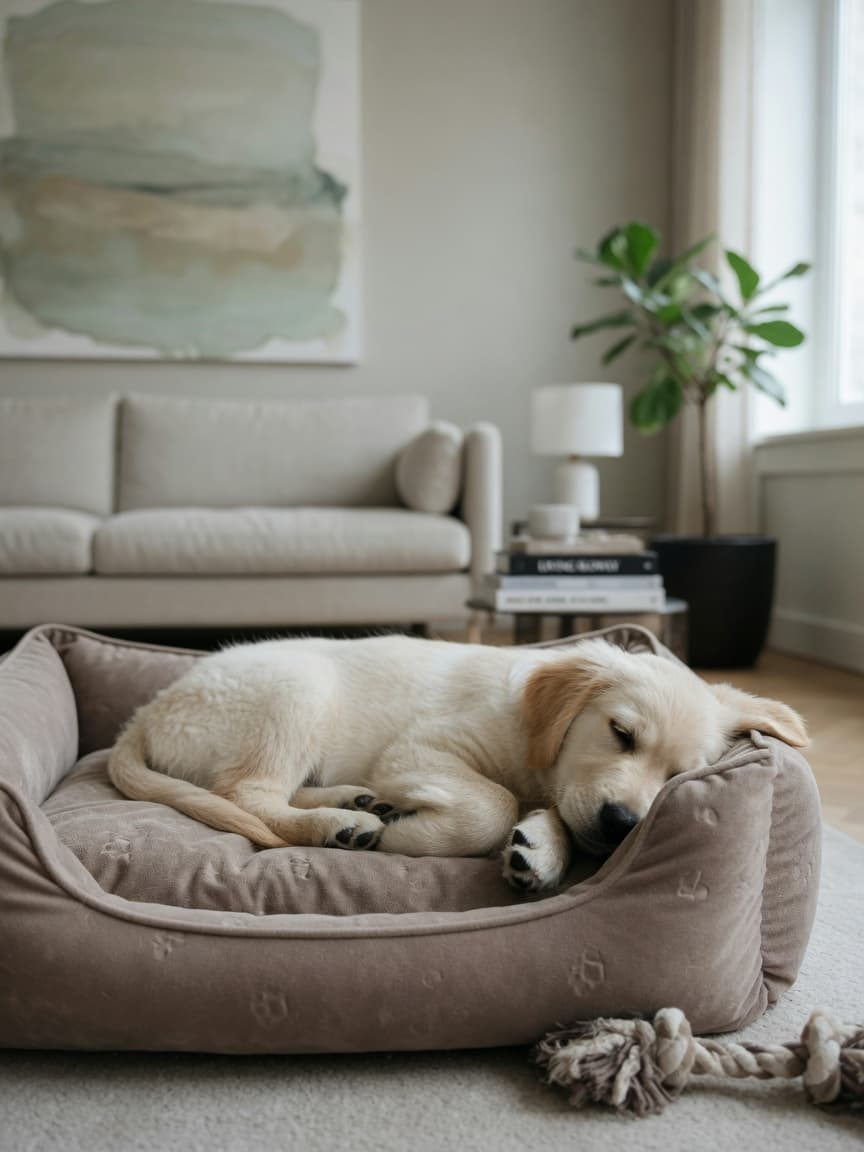
- Comfortable bedding: Soft, enclosed beds often help pets feel safer and more grounded
Exercise: The Natural Stress Reliever
A tired pet is a calm pet. Regular, age-appropriate exercise is one of the most effective ways to help young animals settle down. For puppies, this means multiple short play sessions (15-20 minutes) rather than one long session, as overexertion can overstimulate rather than tire them out. Kittens benefit from interactive play with toys that mimic hunting behaviour. Aim for 2-3 dedicated play sessions daily for young animals.
Nutrition and Supplements Matter
What you feed your pet directly affects their behaviour and stress levels. High-quality, balanced nutrition supports proper brain development and mood regulation. Some pets benefit from:
- Omega-3 fatty acids, which support nervous system health
- B vitamins, which help manage stress responses
- L-theanine, an amino acid that promotes relaxation without drowsiness
- Consistent meal schedules, which create predictability
Always consult your veterinarian before introducing supplements, especially for young animals whose nutritional needs are specific to their age and breed.
Training and Positive Reinforcement
Teaching your pet to relax isn't passive—it's an active skill you can train. Practice "settle" cues where you reward calm behaviour with treats and praise. Short, positive training sessions (5-10 minutes) help young pets learn that relaxation brings rewards. Consistency is key; every family member should reinforce the same calm behaviours.
When to Seek Professional Help
If your pet remains excessively anxious despite these interventions, consult your veterinarian. Excessive stress can indicate medical issues or require professional behavioural guidance. Your vet might recommend working with a certified animal behaviourist who can create a tailored relaxation plan.
Key Takeaways
Helping your young pet calm down requires patience, consistency, and a comprehensive approach. Combine environmental adjustments, regular exercise, quality nutrition, and positive training to create the conditions your pet needs to relax. Remember, every animal is unique—what works for one may need adjustment for another. Stay patient, remain consistent, and celebrate small progress. Your calm, content pet is worth the effort.