
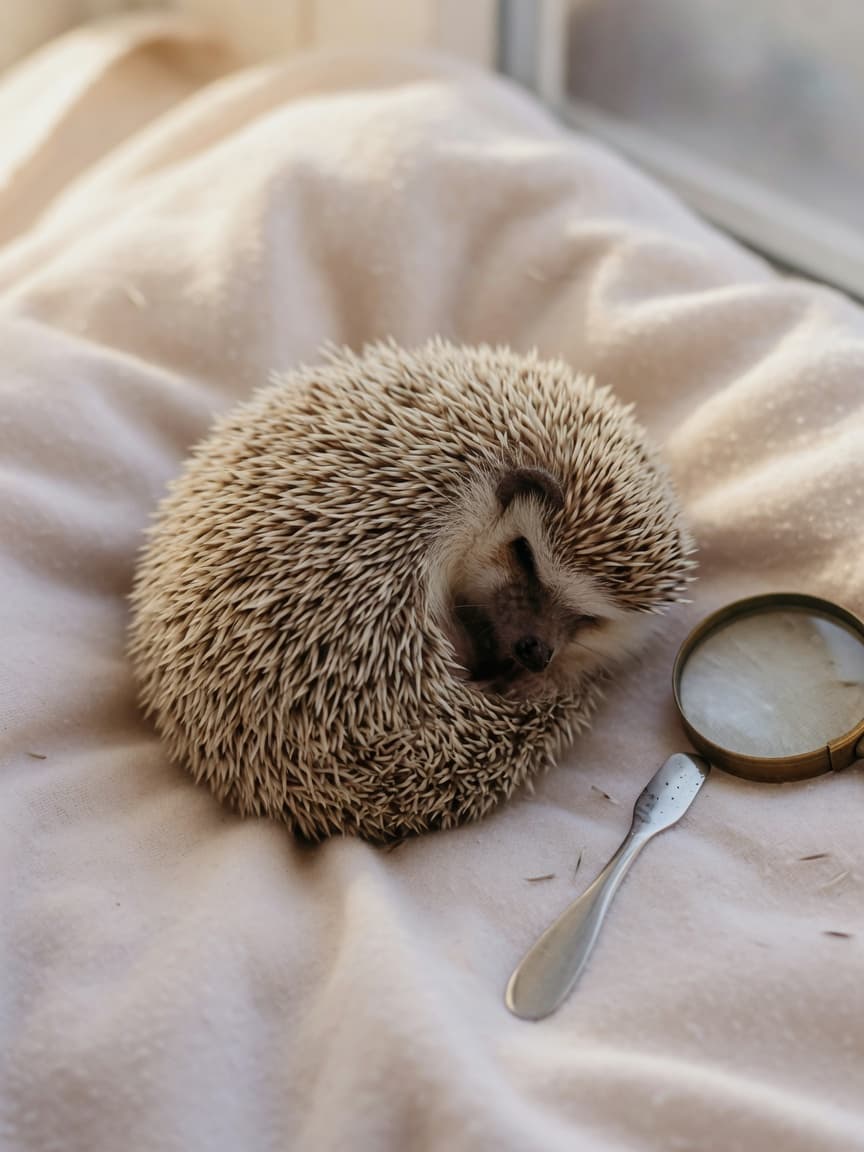
A Popular Pet With Some Serious Health Challenges
African pygmy hedgehogs have grown substantially in popularity over the past decade, and it is easy to understand why — they are compact, characterful, and endlessly fascinating. But ownership comes with responsibilities that go beyond a wheel and a bowl of food. Two conditions stand out as particularly important for every hedgehog owner to understand: wobbly hedgehog syndrome, a progressive neurological disease with no cure, and skin parasites, which are common and often missed until they cause significant discomfort.
Wobbly Hedgehog Syndrome: What It Is and What It Means
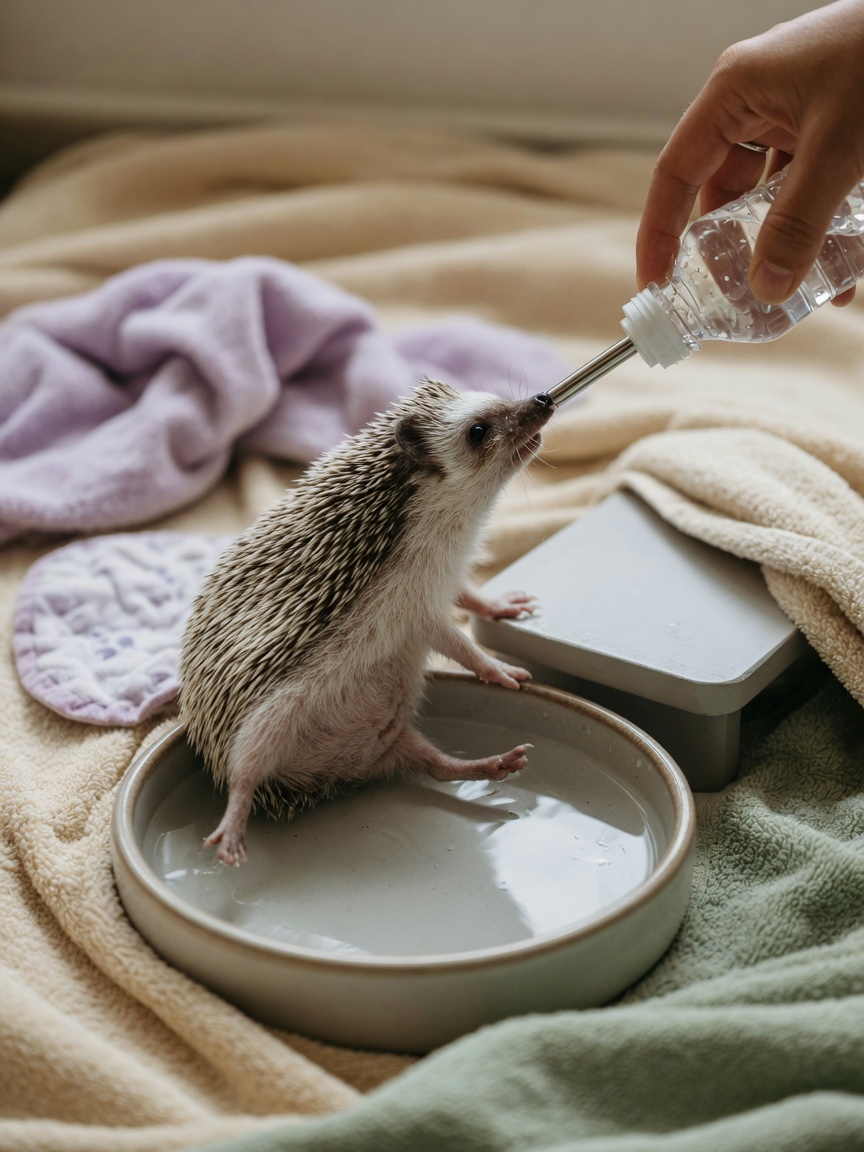
Wobbly hedgehog syndrome (WHS) is a progressive, degenerative neurological condition seen almost exclusively in African pygmy hedgehogs. It has a strong genetic component, and while the exact mechanisms are still being studied, it is widely believed to be inherited. There is currently no cure and no way to halt progression.
How the Condition Progresses
WHS typically begins with weakness or wobbling in the hind legs. Owners may first notice the hedgehog stumbling, dragging the rear quarters, or losing the ability to curl fully into a ball. Over weeks to months, the weakness progresses forward. Muscle wasting becomes visible. Seizures can occur. Eventually the animal loses the ability to walk, eat independently, and maintain body temperature.
Onset can occur as early as eighteen months, though it more commonly appears between two and three years of age. Post-mortem examination typically reveals demyelination — the breakdown of the protective sheath around nerve fibres — in the spinal cord and brain.
What Owners Can Do
There is no treatment that reverses or stops WHS. Supportive care is the focus: assisted feeding, warmth maintenance, adapted housing to prevent falls or entrapment, and careful monitoring of quality of life. A vet should be involved in the diagnosis — other conditions such as tumours, obesity-related neurological compression, or ear infections can mimic WHS and some are treatable. Do not assume WHS without veterinary assessment.
When a hedgehog reaches a point where it cannot eat, drink, or move without distress, a frank conversation with a vet about quality of life is appropriate. Hedgehogs mask pain instinctively, and subtle signs of suffering can be easy to miss.
Skin Parasites: Common, Uncomfortable, and Frequently Missed
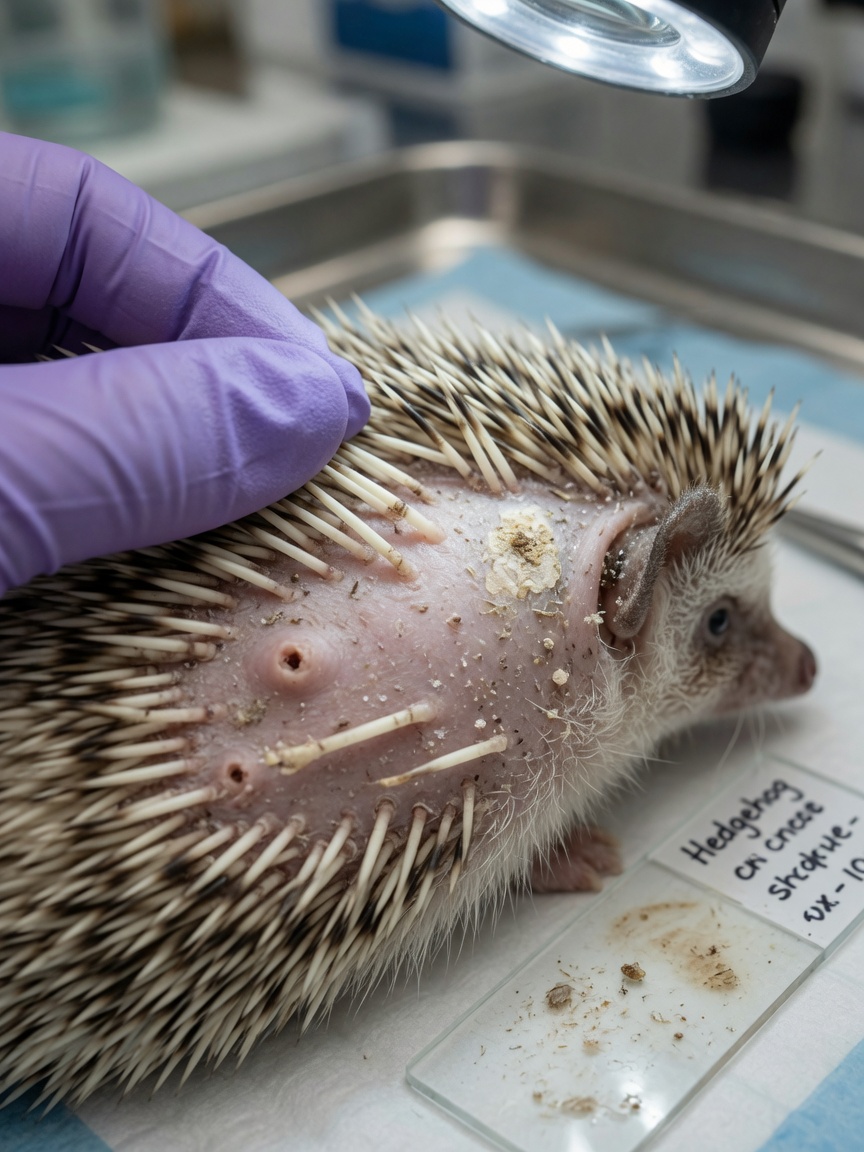
Hedgehog skin and quills provide an ideal microhabitat for two main categories of parasite: mites and fleas. Both are extremely common in captive hedgehogs, and because hedgehog skin is largely hidden beneath the quill coat, infestations can become severe before owners notice anything is wrong.
Mites
Caparinia tripilis is the mite species most frequently associated with hedgehogs. Mites live at the base of the quills and in skin folds, feeding on skin debris. Signs of infestation include quill loss (particularly around the face and flanks), dry or flaky skin, excessive scratching, and — in heavy infestations — crustiness around the face and ears. The mites themselves are microscopic and invisible to the naked eye. Diagnosis requires a skin scraping examined under a microscope at a veterinary practice.
Treatment involves antiparasitic medication prescribed by a vet — appropriate formulations for hedgehogs are used, as some products designed for other species can be toxic. The enclosure must also be thoroughly cleaned and all bedding replaced, as mites can survive off the host for a period.
Fleas
Hedgehog fleas (Archaeopsylla erinacei) are species-specific and do not typically colonise cats or dogs. However, hedgehogs can also pick up cat or dog fleas from the environment. Signs include scratching, restlessness, and visible flea dirt (black specks) in the bedding or on the skin. Again, treatment must be appropriate to species — never use dog or cat flea products on a hedgehog without explicit veterinary guidance, as toxicity risk is real.
Other Common Health Issues in African Pygmy Hedgehogs
- Obesity: a significant problem in hedgehogs that do not have sufficient opportunity to exercise; a wheel of appropriate size (minimum 28–30 cm diameter, solid surface) is important for weight management
- Tumours: hedgehogs have a high rate of neoplasia; oral, uterine, and mammary tumours are frequently reported and often detected late due to the difficulty of examining the animal
- Dental disease: food residue accumulates around the teeth and gumline; annual dental checks under anaesthesia are advisable
- Ear mites and ear infections: cause head shaking, ear scratching, and discharge
Practical Steps for Hedgehog Owners
- Find a vet with genuine exotic animal experience before you need one urgently — not all small animal practices are comfortable with hedgehogs
- Check the skin at the base of the quills monthly for dryness, flaking, or quill loss
- Do not use flea or mite products without veterinary guidance — toxicity risk is significant
- If hind leg wobbling or weakness appears, seek veterinary assessment promptly to rule out treatable causes
- Provide a solid-surface wheel for nightly exercise and monitor body condition regularly
- Annual health checks are a minimum; twice-yearly from age two onwards is preferable
African pygmy hedgehogs can be wonderful companions, but they require an owner willing to observe closely, act quickly, and engage with veterinary care regularly. Early intervention on both parasites and neurological signs makes a meaningful difference to outcomes and to quality of life.