
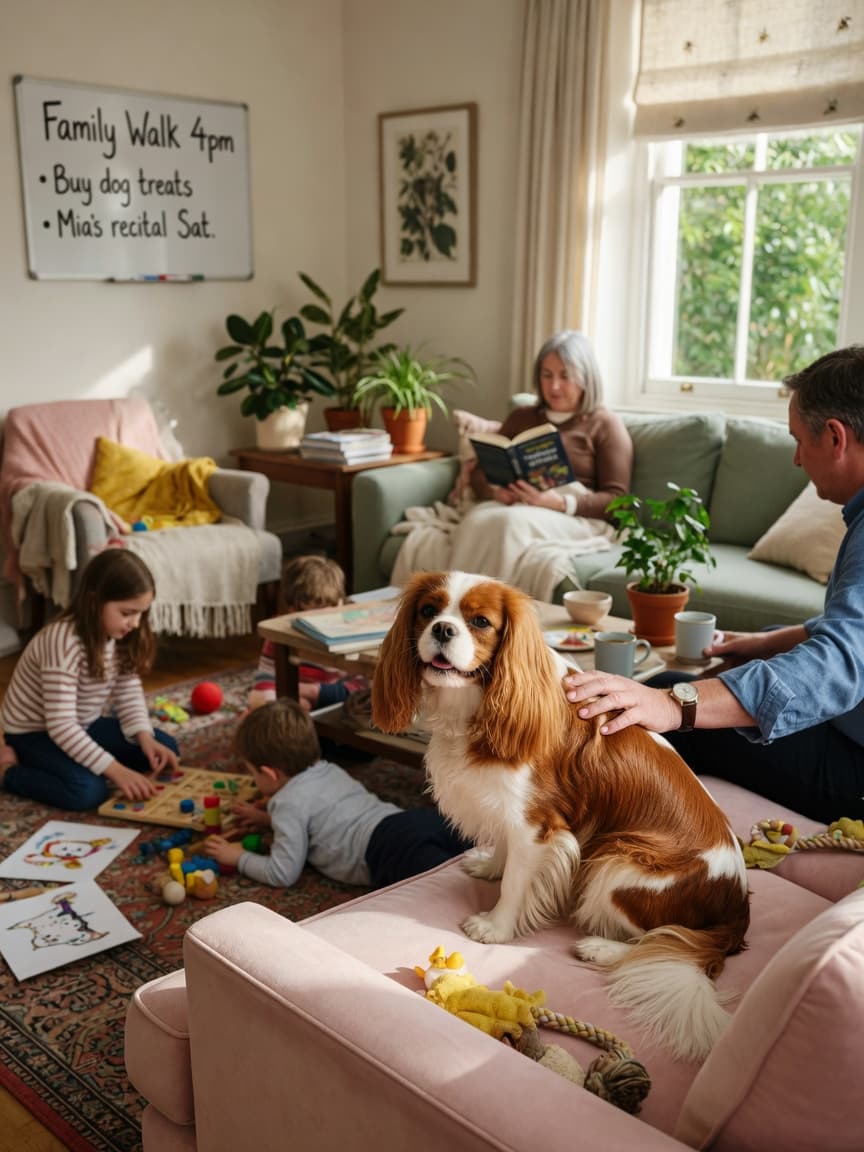
Are Cavalier King Charles Spaniels Good House Pets?
If you're considering welcoming a Cavalier King Charles Spaniel into your home, you're likely drawn to their sweet temperament and affectionate nature. These elegant dogs have charmed their way into countless households across Europe, but before making a commitment, it's essential to understand whether this breed truly suits your lifestyle. As a certified animal nutritionist, I've worked with numerous Cavalier owners, and I can tell you they're wonderful companions—but they're not right for every household. Let me help you make an informed decision.
Temperament and Personality: The Heart of the Matter
Cavalier King Charles Spaniels are among the most gentle and affectionate dog breeds available. They're naturally social animals that thrive on human companionship and are rarely aggressive, making them excellent choices for families with children.
- Highly adaptable to different living situations
- Excellent with children and other pets
- Eager to please and relatively easy to train
- Sensitive souls who don't respond well to harsh corrections
- Prone to separation anxiety if left alone for extended periods
Their eagerness to bond with family members means they genuinely dislike spending long hours alone. If your household involves everyone working full-time with limited arrangements for pet care, a Cavalier may become stressed and develop behavioural issues.
Exercise Requirements and Activity Levels
Contrary to their lap-dog reputation, Cavaliers are surprisingly active little spaniels. They were originally bred as hunting companions, so moderate daily exercise is essential for their physical and mental wellbeing.
Aim for approximately 30-60 minutes of activity daily, which might include leisurely walks, playtime in the garden, or interactive games. These dogs are adaptable enough to suit both active families and those with a more relaxed lifestyle, though they'll be happier with consistent movement. Unlike high-energy breeds like Border Collies, Cavaliers won't drive you to distraction, but they're not couch potatoes either.
Health Considerations: Important Realities

This is where potential owners need to be particularly candid with themselves. Cavalier King Charles Spaniels have several hereditary health conditions that require awareness and veterinary attention.
- Heart disease: Mitral valve disease affects many Cavaliers, particularly as they age. Regular heart scans are advisable.
- Ear infections: Their floppy ears trap moisture and require regular cleaning.
- Syringomyelia: A neurological condition affecting the spinal cord, causing discomfort.
- Hip dysplasia: Common in the breed, though reputable breeders screen for this.
Veterinary costs for this breed can be substantial. If you're adopting from a reputable breeder, ask for health certifications from both parents.
Grooming and Maintenance Needs

Cavaliers have beautiful, silky coats that require regular maintenance. Expect to spend 3-4 hours weekly on grooming, including brushing to prevent matting and tangling. They shed year-round, with particularly heavy shedding during spring and autumn.
Beyond coat care, their ears need weekly checks and gentle cleaning to prevent infections, and their nails require regular trimming.
Suitability for Different Households
Cavaliers thrive in:
- Families with school-aged children
- Multi-pet households
- Homes where someone is present most of the day
- Households willing to invest in regular veterinary care
- Owners who enjoy grooming or can afford professional services
They may struggle in:
- Homes where everyone works full-time with no pet care provision
- Flats with no outdoor space
- Households with very young toddlers requiring constant attention
- Families on limited budgets for veterinary care
The Verdict: Are They Right for You?
Cavalier King Charles Spaniels make exceptional house pets for committed owners who understand their needs. They're loving, intelligent, and remarkably adaptable—but they require attention, consistent care, and realistic expectations about health costs. If you can provide companionship, moderate daily exercise, regular grooming, and quality veterinary care, you'll find yourself with one of the most devoted companions imaginable.
Take time to meet the breed personally, speak with existing owners, and honestly assess your lifestyle before deciding. A well-matched Cavalier will reward your commitment with years of unconditional affection and joyful companionship.