
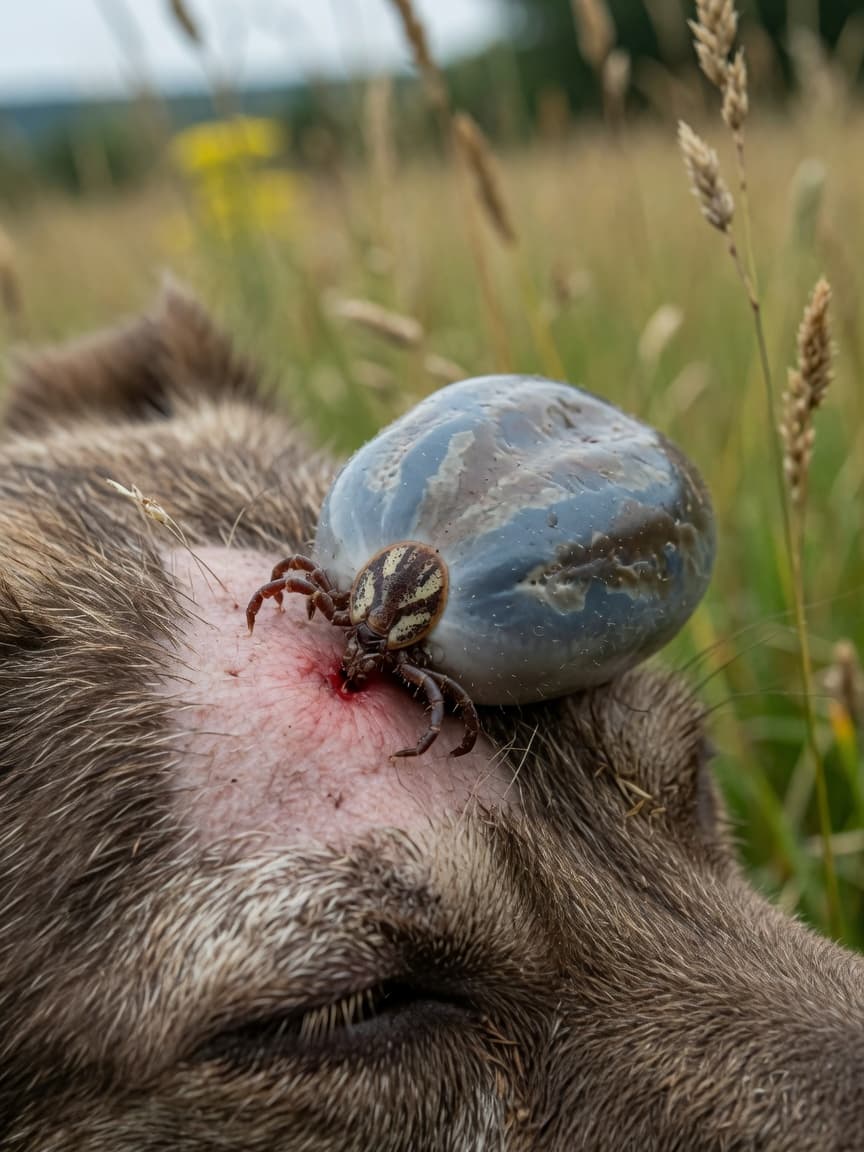
A Disease That Was Not Supposed to Be Here
Until 2016, babesiosis was considered a foreign travel risk — something dogs contracted in mainland Europe and brought home. Then a cluster of cases appeared in Harlow, Essex, in dogs that had never left the UK. The Babesia canis parasite, transmitted by the meadow tick Dermacentor reticulatus, had established itself on British soil. The UK dog population, largely unvaccinated and unaware, was facing a new and serious threat.
What Babesiosis Does to a Dog's Body
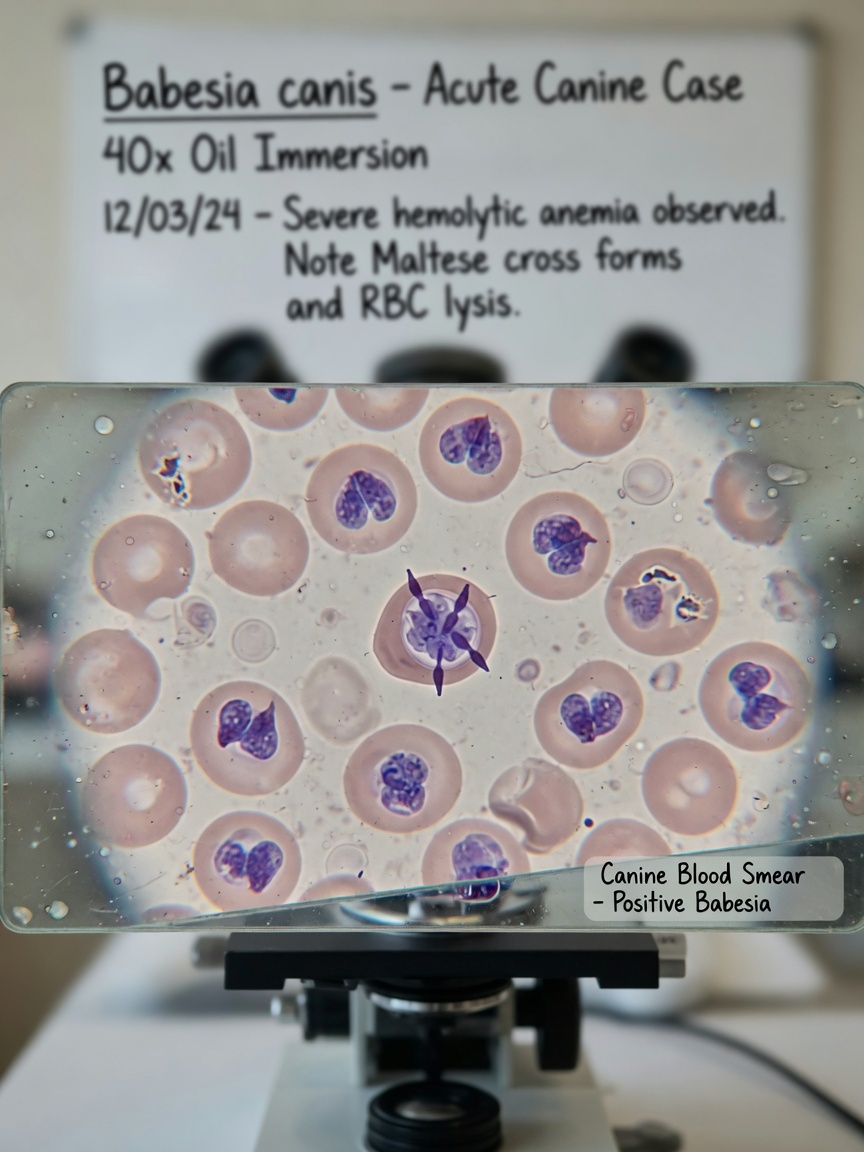
Babesia parasites are single-celled organisms that invade and destroy red blood cells. As the infection progresses, the resulting destruction of red blood cells causes haemolytic anaemia — a condition where the body cannot maintain adequate oxygen-carrying capacity. Without prompt treatment, this can be fatal.
The severity of disease varies with the species involved. Babesia canis, the species now confirmed in the UK, causes moderate to severe disease. Babesia gibsoni, more common in dogs returning from Asia, tends to be chronic and difficult to eliminate entirely.
How the Parasite Reaches Your Dog
Babesia is transmitted through tick bites. In the UK, the primary vector for B. canis is Dermacentor reticulatus, also known as the ornate or meadow tick. This species is hardier than the common sheep tick (Ixodes ricinus) and can survive in a wider range of environments. It is most active in autumn and early spring.
Transmission requires a tick to feed for a minimum of three hours — faster than Lyme disease, which means tick checks after walks carry even greater urgency when dealing with this parasite. Babesiosis can also be transmitted through blood transfusions and, rarely, from infected mother to puppies.
Recognising Symptoms
The incubation period ranges from one to three weeks after infection. Symptoms typically come on quickly and can escalate rapidly.
Early Signs
- Lethargy and weakness
- Loss of appetite
- Fever
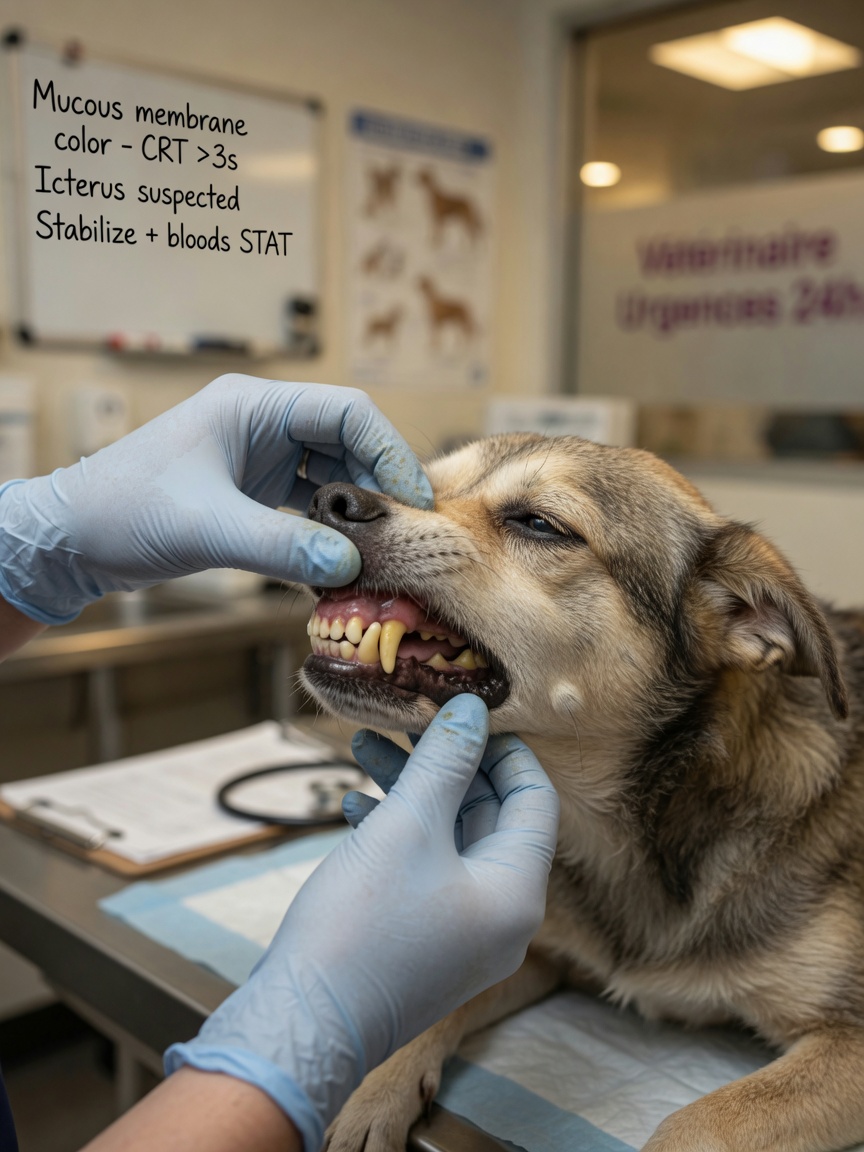
- Pale or yellowish gums (indicating anaemia or jaundice)
Severe Signs Requiring Emergency Care
- Dark brown or red-tinged urine (haemoglobin released from destroyed red blood cells)
- Rapid breathing or laboured respiration
- Collapse or inability to stand
- Swollen abdomen
If your dog shows pale gums, dark urine, or sudden collapse following a tick bite or a walk in known tick habitat, treat this as an emergency. Contact your vet immediately.
Diagnosis and Treatment
Your vet will perform a blood smear examination to look for Babesia parasites within red blood cells. This is combined with a full blood count to assess the degree of anaemia and blood biochemistry to evaluate organ function. PCR testing can confirm the species when blood smear results are equivocal.
Treatment depends on species and severity. Imidocarb dipropionate, administered by injection, is the primary treatment for Babesia canis and is highly effective when given early. Severely anaemic dogs may require blood transfusions and intensive supportive care. Dogs infected with Babesia gibsoni are significantly more difficult to clear and may require combination antibiotic and antiparasitic protocols under specialist guidance.
Most dogs treated promptly for B. canis make a full recovery. Delayed treatment substantially worsens outcomes.
UK Risk Areas and Prevention
Since the 2016 Harlow cluster, additional UK cases have been confirmed, predominantly in the South East of England. However, the Dermacentor reticulatus tick has a known range extending into Wales and parts of Scotland, meaning the geographic risk is likely wider than currently confirmed cases suggest.
Preventive Measures
- Use a veterinary-approved tick preventative effective against Dermacentor species — discuss options with your vet, as not all products cover all tick species equally
- Check your dog thoroughly after every walk, particularly in grassland, field margins, and scrubby vegetation
- Remove any ticks promptly using a proper tick removal tool
- If your dog has travelled to mainland Europe, babesiosis should be discussed with your vet on return — continental risk remains higher than UK risk
- A vaccine against Babesia canis exists in some European countries but is not currently licensed in the UK
Babesiosis is a vivid example of why tick prevention deserves serious attention year-round, not just in summer. Speak to your vet about the most appropriate preventive protocol for your dog's lifestyle, and do not underestimate the significance of even a brief tick attachment.