
Can Cats Get a Sunburn?
Many cat owners assume their feline friends are protected from the sun's harmful rays simply because they're covered in fur. However, the reality is quite different. Yes, cats can absolutely get sunburned, and it's a concern that shouldn't be overlooked, particularly during the warmer months when UV exposure is at its peak. Understanding how sunburn affects cats and knowing how to protect your pet is essential for responsible cat ownership.
How Cats Get Sunburned
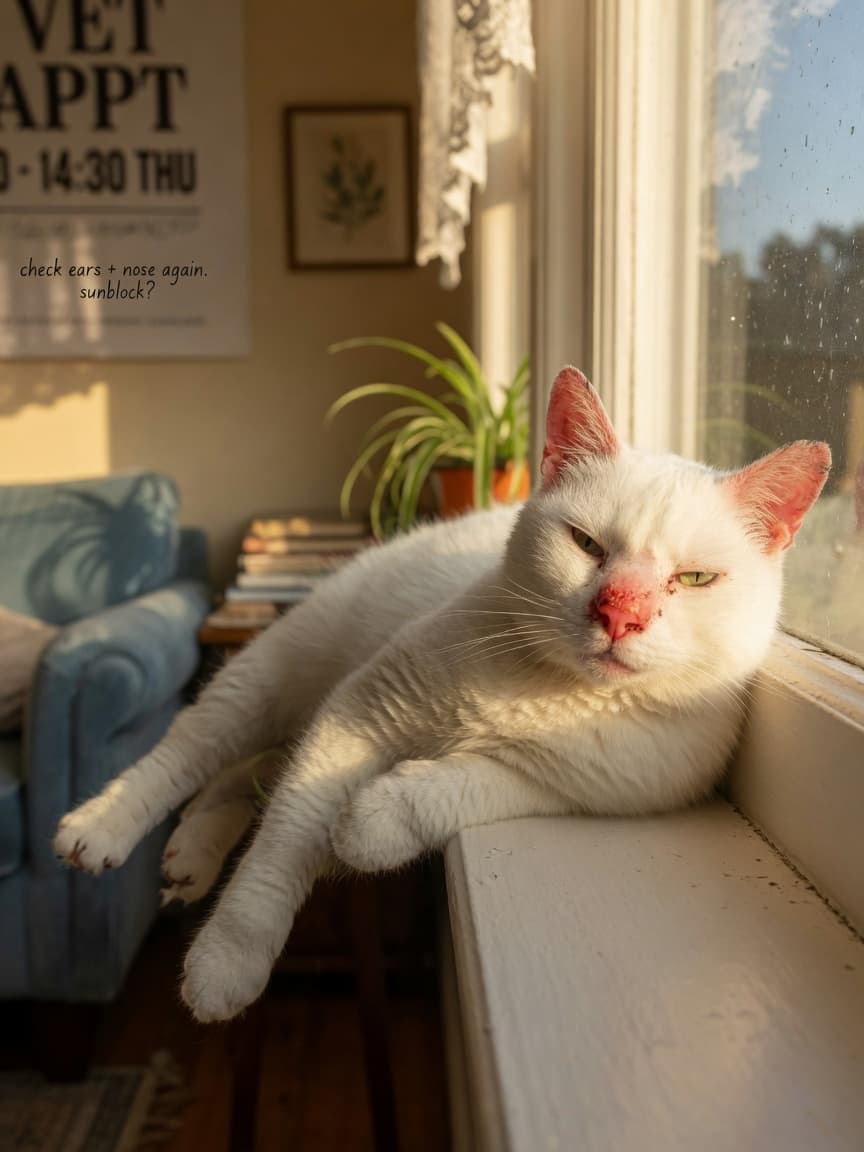
Cats have thinner skin than humans, especially on their ears, nose, paw pads, and around their eyes. These areas have less pigmentation and minimal hair coverage, making them particularly vulnerable to ultraviolet (UV) radiation. When cats spend extended periods in direct sunlight, the UV rays can damage the skin cells, causing inflammation, redness, and discomfort—classic signs of sunburn.
Outdoor cats and those with access to gardens and sunny windowsills are at greatest risk. Even indoor cats lounging on windowsills can experience sun exposure, though the glass does provide some protection by filtering out UVB rays.
Which Cats Are Most Vulnerable?
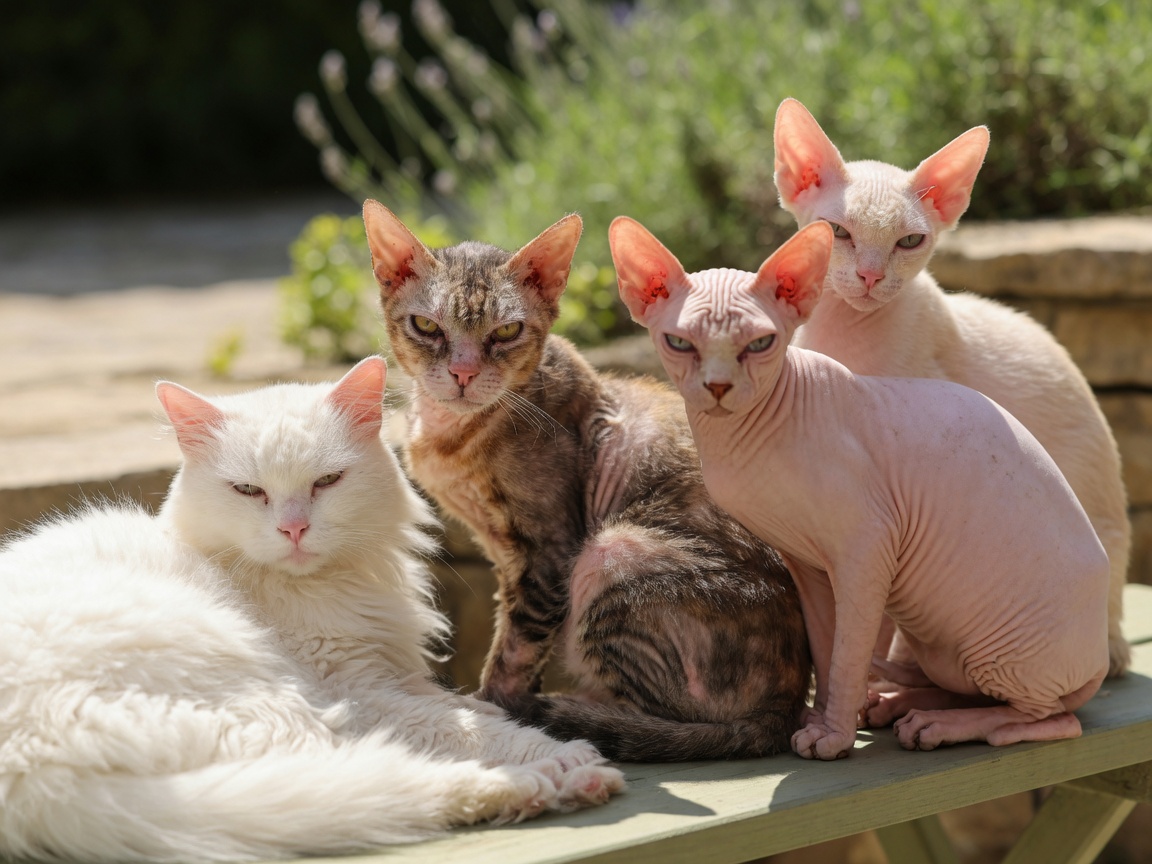
Certain cats face higher sunburn risk than others:
- White or light-coloured cats: These cats have less melanin in their skin, offering minimal natural protection against UV rays
- Cats with pink noses and ears: Pink pigmentation indicates lower melanin levels
- Senior cats: Older cats often have thinner, more delicate skin
- Cats with thin or sparse fur: Breeds like Sphynx cats or those with naturally shorter coats require extra protection
- Cats with skin conditions: Cats experiencing hair loss or dermatological issues have compromised skin barriers
Signs Your Cat Has Sunburn
Watch for these warning signs that your cat may have experienced sun damage:
- Red, inflamed ears or nose
- Peeling or flaking skin
- Excessive scratching or licking affected areas
- Blistering or crusting on the nose or ear tips
- General discomfort when touched on previously sunburned areas
- Swelling around the eyes or muzzle
If you notice these symptoms, consult your veterinarian promptly, as severe sunburn can lead to secondary infections.
Long-Term Health Risks
Beyond immediate discomfort, repeated sun exposure poses serious long-term health concerns. Chronic UV exposure significantly increases the risk of squamous cell carcinoma—a type of skin cancer common in cats. White cats and those with pink noses and ears face particularly elevated risk, with some studies suggesting they're up to ten times more likely to develop skin cancer compared to pigmented cats.
Practical Sun Protection Strategies
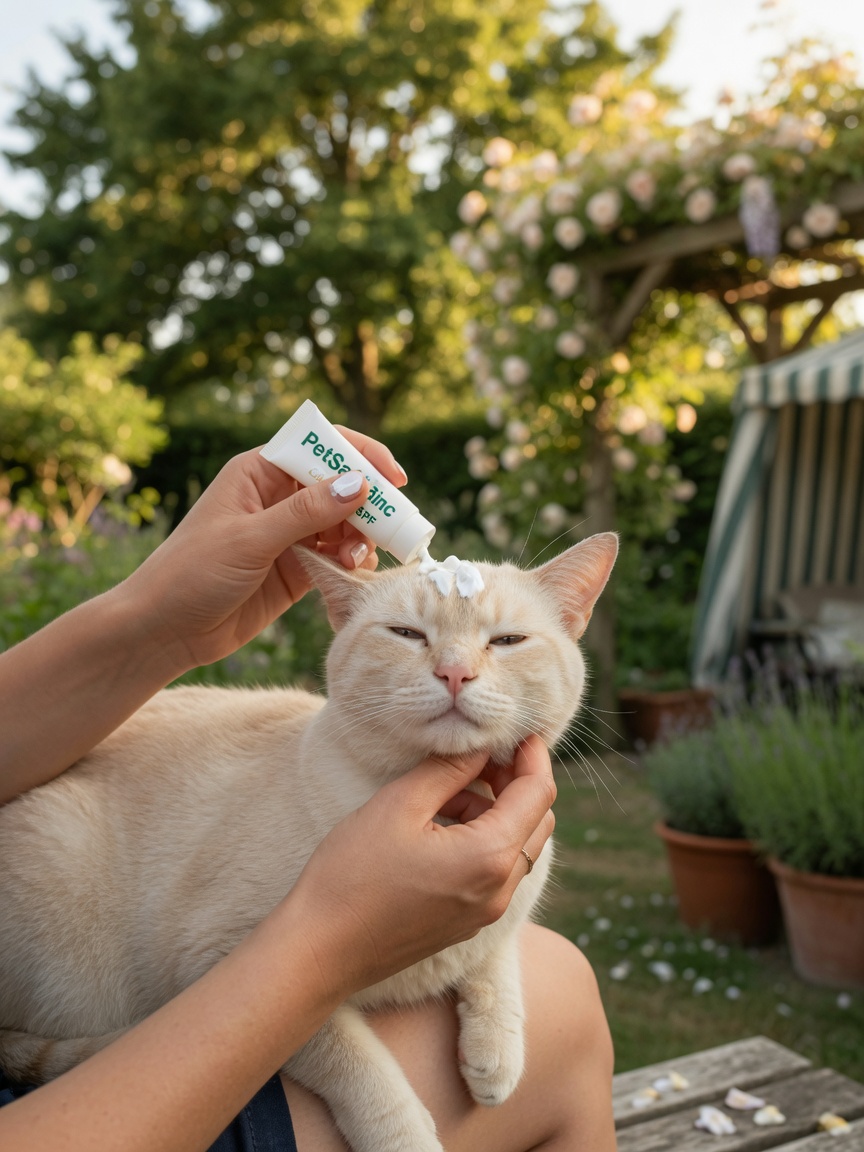
Protecting your cat from sunburn doesn't require complex measures:
- Limit midday sun exposure: Keep your cat indoors or in shaded areas between 10 am and 4 pm when UV rays are strongest
- Create shaded outdoor spaces: If your cat has garden access, ensure plenty of shaded areas with trees, awnings, or sheltered spots
- Use window coverings: Close blinds or curtains on sunny windowsills, particularly during peak hours
- Apply pet-safe sunscreen: For high-risk cats, veterinary-approved sunscreen (SPF 30+) can be applied to exposed areas like the nose and ears
- Schedule outdoor time wisely: Encourage play and exploration during early morning or late afternoon when UV intensity is lower
Key Takeaways
Sunburn in cats is preventable with awareness and simple precautions. White cats, senior cats, and those with minimal fur coverage require particular attention during sunny weather. By limiting midday sun exposure, creating shaded spaces, and applying veterinary-approved sunscreen when appropriate, you can significantly reduce your cat's sunburn risk and help prevent more serious complications like skin cancer. When in doubt, consult your veterinarian about the best sun protection strategy for your individual pet.