
Can Cats Have Acid Reflux?
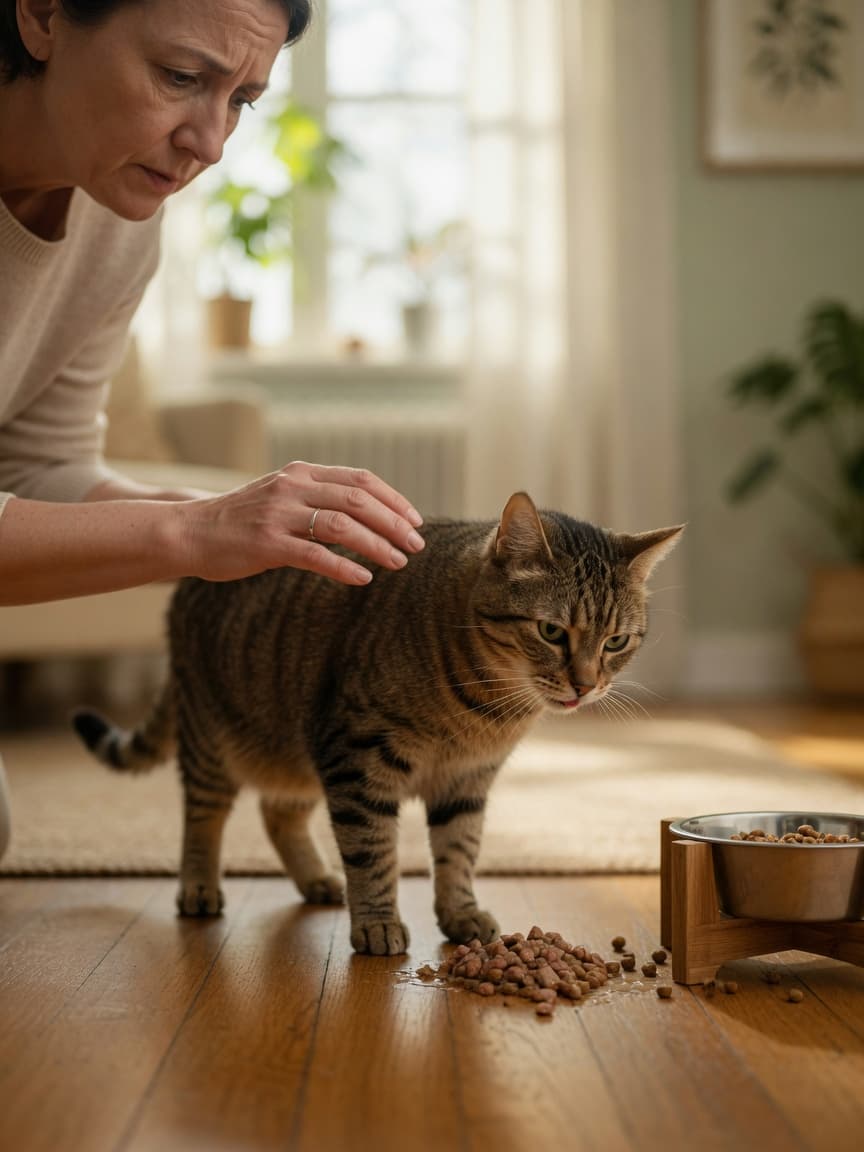
If you've noticed your cat displaying unusual eating behaviours, regurgitating food, or seeming uncomfortable after meals, you might wonder whether feline acid reflux could be the culprit. Whilst acid reflux is less commonly discussed in cats than in dogs, it's a very real condition that can significantly affect your pet's quality of life. Understanding the signs, causes, and management strategies can help you support your cat's digestive health and recognise when veterinary intervention is necessary.
Understanding Feline Acid Reflux
Acid reflux, or gastro-oesophageal reflux disease (GERD), occurs when stomach acid flows backward into the oesophagus—the tube connecting the mouth to the stomach. In cats, this condition is less prevalent than in humans or dogs, but it absolutely does occur and shouldn't be dismissed.
The oesophagus lacks the protective lining that the stomach possesses, making it vulnerable to irritation from stomach acid. When a cat experiences repeated reflux episodes, inflammation can develop, leading to discomfort and potentially more serious complications if left untreated.
Common Signs and Symptoms
Recognising acid reflux in cats can be challenging since they often hide illness. However, watch for these telltale signs:
- Regurgitation of undigested food (often appearing soon after eating)
- Excessive drooling or hypersalivation
- Loss of appetite or reluctance to eat
- Weight loss over time
- Bad breath or unusual odour from the mouth
- Excessive grooming around the mouth and neck area
- Vocalisation or discomfort during or after eating
- Difficulty swallowing
If your cat exhibits any of these symptoms persistently, a veterinary consultation is essential to rule out acid reflux and other underlying conditions.
What Causes Acid Reflux in Cats?
Several factors can predispose cats to developing acid reflux:
- Dietary issues: Feeding large meals or inappropriate foods can trigger reflux episodes
- Obesity: Excess weight increases intra-abdominal pressure, pushing stomach contents upward
- Underlying conditions: Inflammatory bowel disease, pancreatitis, or gastritis may contribute
- Medications: Certain drugs can relax the oesophageal sphincter
- Anaesthesia: Post-operative reflux is sometimes observed after surgical procedures
- Stress: Anxiety and environmental changes can affect digestion
Diagnosis and Professional Assessment
If you suspect your cat has acid reflux, your veterinarian may recommend several diagnostic approaches. These might include physical examination, dietary history review, and potentially imaging studies such as radiography or endoscopy in more complex cases. Blood work can help eliminate other potential causes of your cat's symptoms.
Your vet may also suggest a trial elimination diet to identify dietary triggers specific to your individual cat.
Management and Treatment Strategies
Once diagnosed, several management approaches can help alleviate your cat's discomfort:
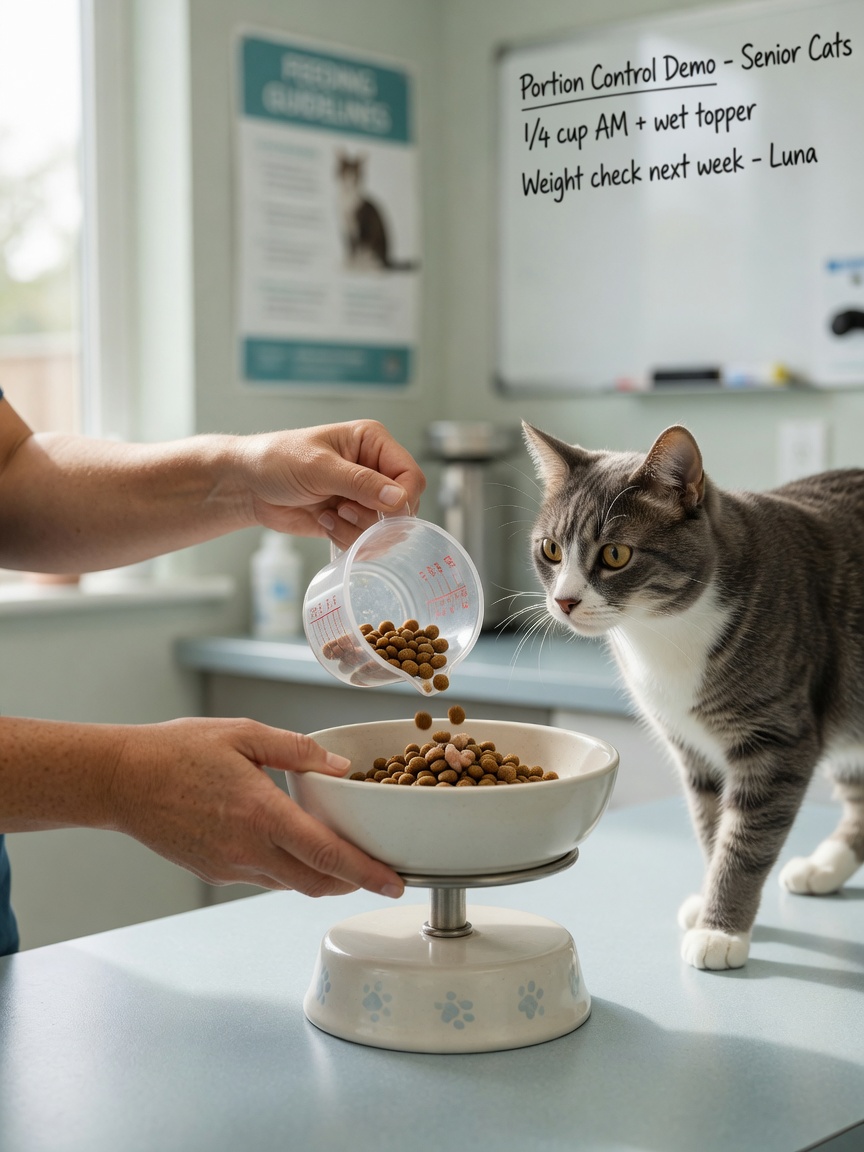
- Dietary modifications: Feed smaller, more frequent meals rather than one large portion. Consider elevated food bowls, which can reduce reflux by using gravity to your advantage
- Weight management: If your cat is overweight, gradual weight loss can significantly improve reflux symptoms
- Medication: Your veterinarian may prescribe acid-reducing medications such as H2-blockers or proton pump inhibitors
- Environmental enrichment: Reducing stress through appropriate play, quiet spaces, and consistent routines supports overall digestive health
- Avoid triggers: Identify and eliminate foods or situations that seem to provoke reflux episodes
When to Seek Veterinary Help
Whilst mild, occasional regurgitation might resolve with dietary adjustments, persistent or worsening symptoms warrant professional evaluation. Complications such as aspiration pneumonia (where stomach contents enter the lungs) require immediate attention.
Key Takeaways
Acid reflux in cats is manageable with proper diagnosis and individualised treatment. Pay close attention to your cat's eating habits and digestive behaviour, maintain a healthy weight through appropriate diet and exercise, and work collaboratively with your veterinarian to develop an effective management plan. With patience and consistent care, most cats with acid reflux can enjoy improved comfort and better overall health.