
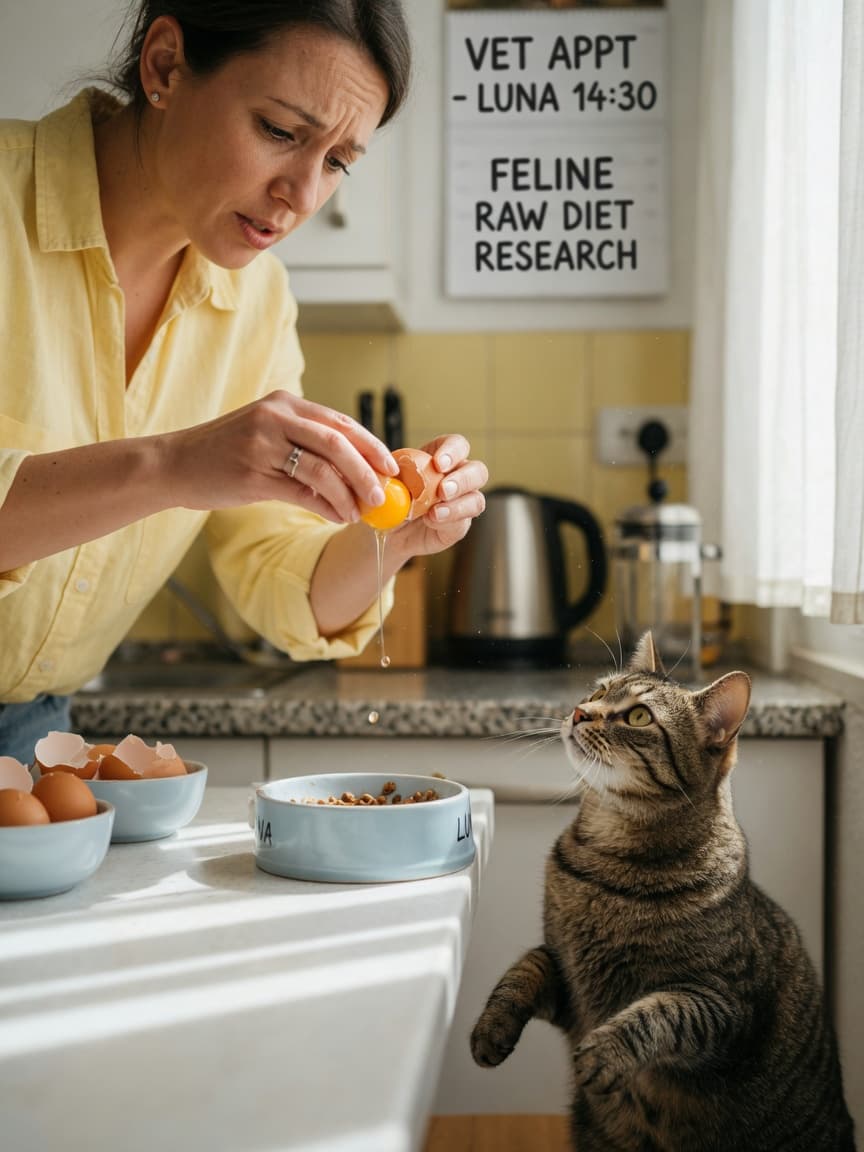
Can Cats Have Raw Eggs?
If you've ever cracked an egg into your cat's bowl, you might have wondered whether raw eggs are safe for your feline friend. The short answer is no—whilst raw eggs might seem like a natural, protein-rich treat, they pose genuine health risks that far outweigh any nutritional benefits. As a nutritionist who works closely with cat owners across Europe, I'm frequently asked about this topic, and I'm here to explain why cooked eggs are the way forward if you want to supplement your cat's diet.
The Main Health Risks of Raw Eggs
Raw eggs carry several significant dangers for cats, and understanding these risks will help you make informed decisions about your pet's diet.
- Bacterial contamination: Raw eggs can harbour Salmonella and E. coli bacteria, which cause serious gastrointestinal infections in cats. Symptoms include vomiting, diarrhoea, lethargy, and loss of appetite.
- Avidin interference: Raw egg whites contain a protein called avidin, which binds to biotin (vitamin B7) and prevents its absorption. This can lead to skin problems, poor coat quality, and metabolic issues over time.
- Risk to your household: Cats carrying Salmonella can shed the bacteria through their faeces, potentially contaminating your home and putting vulnerable family members at risk.
Why Cooked Eggs Are Better
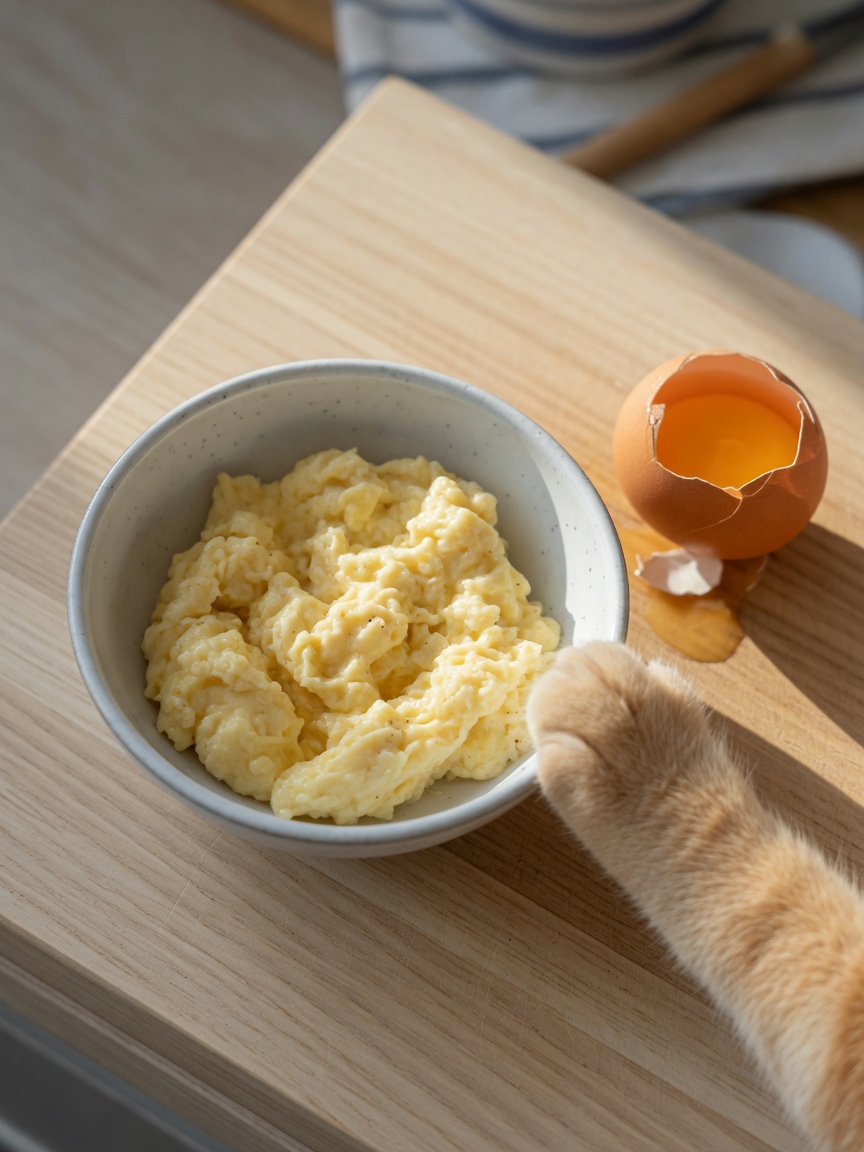
Cooking eggs completely changes their safety profile. Heat denatures avidin, making biotin readily available to your cat's body. Cooking also eliminates most bacterial pathogens, making eggs a genuinely nutritious addition to your cat's diet.
Cooked eggs are an excellent source of high-quality protein, selenium, and choline—all vital nutrients for feline health. If you'd like to offer your cat an egg-based treat, simply boil or scramble a whole egg (including the yolk) without adding butter, oil, salt, or seasoning.
Portion Control and Frequency
Even with cooked eggs, moderation is essential. Cats are obligate carnivores with specific dietary requirements, and eggs should only be an occasional supplement.
- Offer cooked egg no more than once or twice weekly
- Provide only a small portion—roughly one teaspoon to one tablespoon, depending on your cat's size
- Ensure eggs never constitute more than 10% of your cat's daily caloric intake
- Monitor for any digestive upset after introducing eggs
Signs Your Cat May Have Consumed Raw Egg
If you suspect your cat has eaten a raw egg, watch for these warning signs over the following 24 to 48 hours:
- Vomiting or retching
- Diarrhoea or loose stools
- Abdominal pain or tenderness
- Decreased appetite
- Fever or lethargy
Contact your veterinarian immediately if you notice any of these symptoms, particularly if they persist beyond a few hours.
Meeting Your Cat's Nutritional Needs
Rather than relying on eggs or other supplements, ensure your cat receives a complete, balanced commercial diet formulated to meet their specific life stage and health status. High-quality cat foods contain precisely calibrated nutrients that eggs alone cannot provide.
If you're interested in adding whole foods to your cat's diet, speak with your veterinarian or a feline nutritionist first. They can recommend safe options and appropriate portions tailored to your individual cat.
Key Takeaways
Raw eggs pose unacceptable health risks to cats due to bacterial contamination and avidin interference. Cooked eggs can be offered as an occasional, modest treat, but they should never replace a proper feline diet. Always prioritise your cat's safety by cooking eggs thoroughly, limiting portions, and consulting your veterinarian before introducing any new foods. Your cat's long-term health is worth the extra care.