
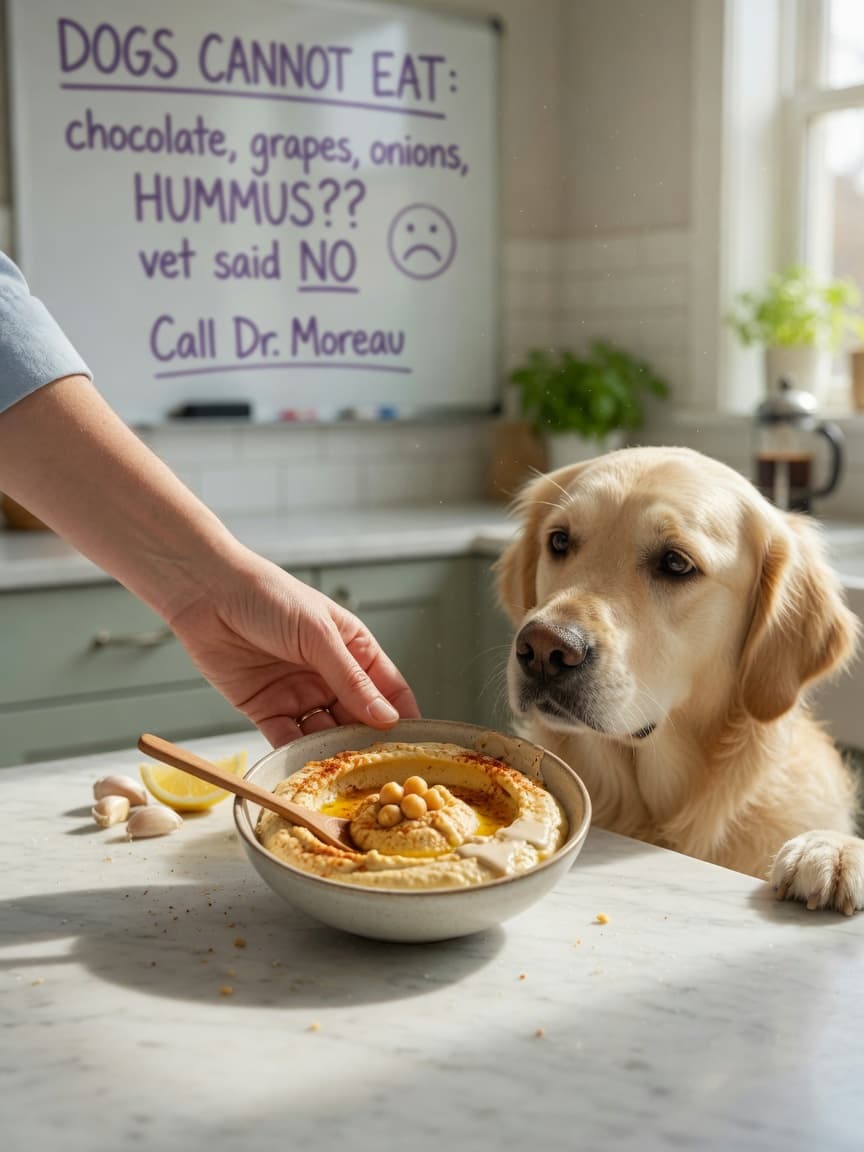
Can Dogs Eat Hummus? Garlic and Lemon Risk
Key Takeaways
- Hummus always contains garlic, which is toxic to dogs and can cause haemolytic anaemia even in small, repeated doses.
- Lemon juice (citric acid) in hummus is a GI irritant and can cause vomiting, diarrhoea, and gastric discomfort.
- Plain, cooked chickpeas without seasoning are perfectly safe for dogs and nutritionally beneficial.
- Store-bought hummus may also contain tahini (high fat), excessive salt, and other seasonings — none appropriate for dogs.
- If your dog ate a small amount of hummus, contact your vet — garlic toxicity has a delayed onset of 3–5 days.
Why Hummus Is Not Safe for Dogs
Hummus is a Middle Eastern dip made primarily from blended chickpeas, tahini (sesame paste), olive oil, lemon juice, and — crucially — garlic. It is nutritious and protein-rich for humans, but the combination of ingredients makes it genuinely hazardous for dogs. This is not a case of "too much of a good thing" — it is a case where a core ingredient (garlic) is directly toxic to dogs at doses that are often present in even a tablespoon of hummus.
The irony is that if you disassemble hummus into its components, the main one — chickpeas — is actually safe and beneficial for dogs. It is the seasoning that transforms a benign legume dish into something you should never share with your pet.
Garlic Toxicity in Dogs: The Primary Danger
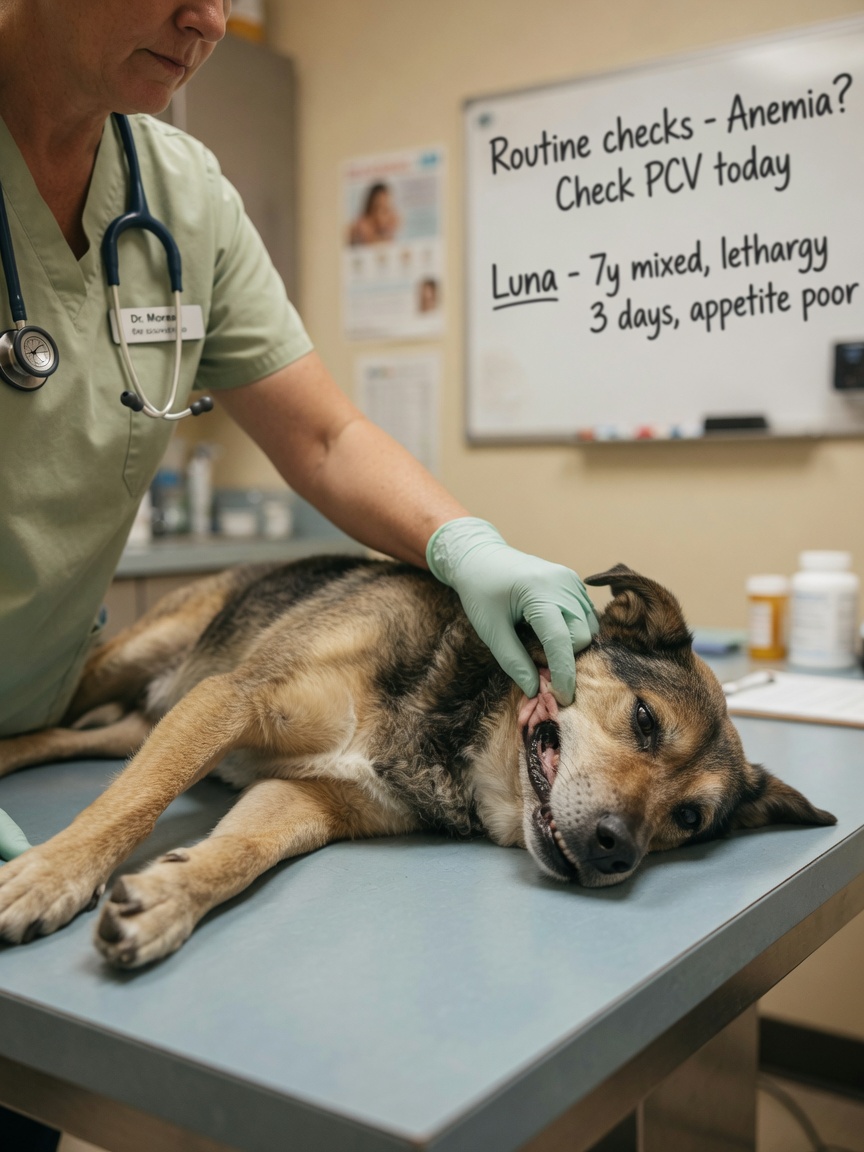
Garlic belongs to the Allium genus alongside onions, leeks, shallots, and chives. All Allium species contain organosulfur compounds — specifically N-propyl disulfide in garlic — that cause oxidative damage to canine erythrocytes (red blood cells). In dogs, this damage leads to the formation of Heinz bodies: abnormal protein clusters inside the red blood cell that make it fragile and susceptible to destruction. The result is haemolytic anaemia, a serious condition in which red blood cells are destroyed faster than bone marrow can replace them.
What makes garlic particularly Dangerous">Dangerous">dangerous-dog-toys" title="10 Dog Toys That Are Actually Dangerous">Dangerous (And What to Use Instead)">dangerous is its potency relative to bodyweight. Garlic is estimated to be approximately five times more toxic than onion for dogs. Research suggests that ingesting as little as 15–30 g of garlic per kilogram of body weight can cause clinical toxicity — but lower chronic doses consumed repeatedly can accumulate to cause subclinical damage over time. A teaspoon of hummus may contain only a small fraction of a garlic clove, but regular exposure adds up.
Clinical signs of garlic toxicity in dogs include:
- Lethargy and weakness
- Pale, yellowish, or bluish gums (indicative of anaemia)
- Rapid heart rate and rapid breathing
- Reduced appetite
- Vomiting and diarrhoea
- Dark, reddish, or brownish urine (haemoglobinuria)
- Exercise intolerance and collapse in severe cases
Importantly, these symptoms typically do not appear until 3–5 days after ingestion, making it easy for owners to fail to connect the cause and effect. If you suspect your dog has consumed garlic, do not wait for symptoms — contact your vet immediately.
Lemon Juice and Citric Acid: The Secondary Problem
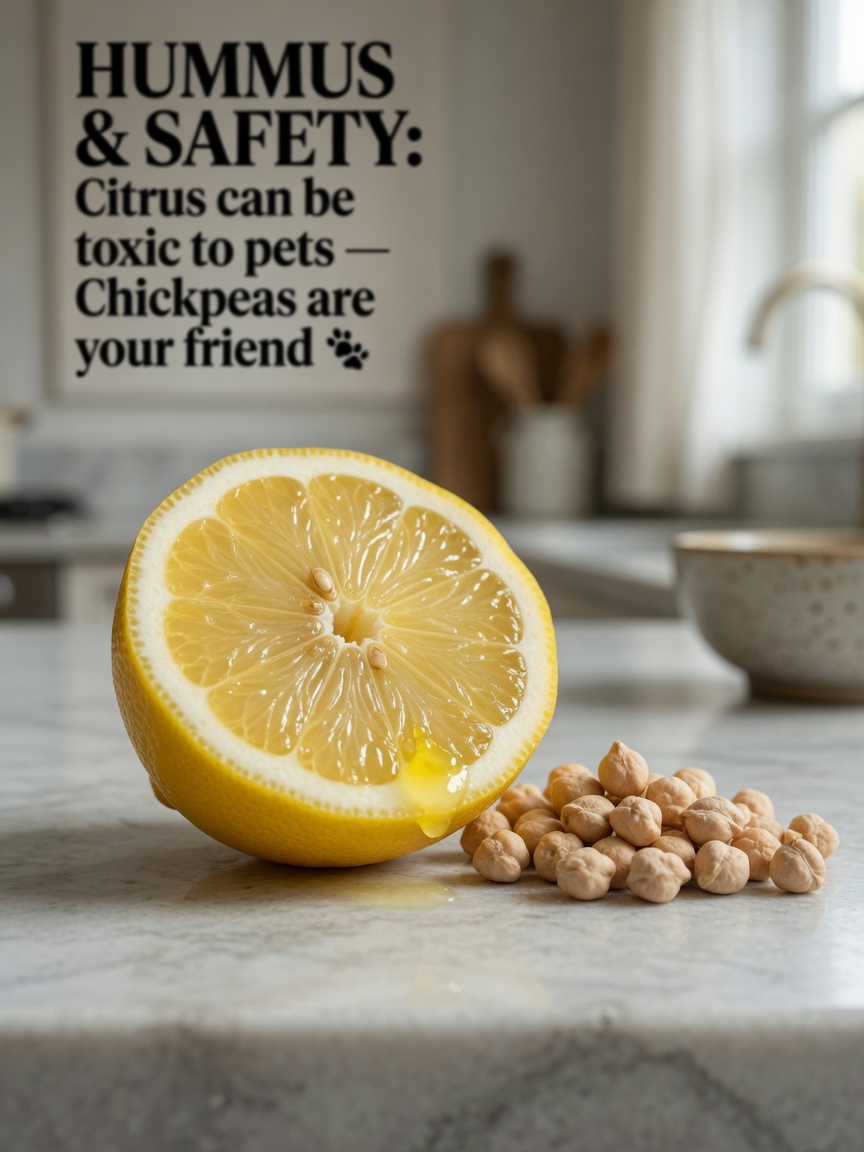
Traditional hummus recipes include a generous squeeze of lemon juice for brightness and flavour. Lemon juice is highly acidic (pH approximately 2.0–2.5) and contains significant concentrations of citric acid, limonene, and Essential Oils & Dogs: Which Are Safe & Which Are Toxic">Essential Oils Toxic to Cats: The Complete List">essential oils. None of these are appropriate for regular canine consumption.
Citric acid in dogs acts as a direct gastrointestinal irritant, particularly in animals with any degree of gastric sensitivity. Even small amounts of lemon juice can cause:
- Drooling and nausea
- Vomiting
- Diarrhoea
- Abdominal cramping and discomfort
In large quantities, citrus products can also affect the central nervous system in dogs, potentially causing muscle tremors or weakness. The amounts in hummus are unlikely to cause neurological effects, but the GI irritation is real and uncomfortable for your dog.
Other Hummus Ingredients That Concern Vets
Salt: commercial hummus is typically well-salted. Excess dietary sodium in dogs causes the fluid imbalance and kidney strain issues outlined in detail in our pickle article — another reason to avoid processed dips.
Tahini: sesame paste is not toxic to dogs but is very high in fat. A sudden high-fat meal can trigger pancreatitis in susceptible dogs — a painful and potentially serious inflammatory condition of the pancreas. Dogs with a history of pancreatitis should avoid high-fat foods entirely.
Spiced hummus varieties: roasted red pepper, jalapeño, caramelised onion — many commercial hummus flavours introduce additional problematic ingredients. Onion is acutely toxic to dogs for the same reasons as garlic. Spicy peppers can cause severe GI irritation.
Plain Chickpeas: The Safe Alternative
The good news is that the foundation of hummus — the chickpea itself — is entirely safe for dogs when prepared correctly. Plain, cooked chickpeas (with no added salt, garlic, or seasoning) provide:
- Plant-based protein supporting muscle maintenance
- Dietary fibre supporting gut health and glycaemic regulation
- Iron, folate, potassium, and magnesium
- Complex carbohydrates providing sustained energy
Simply boil dried chickpeas until soft, drain, cool, and offer a small handful as an occasional treat. Canned chickpeas can be used if thoroughly rinsed to remove salt. Do not season them — serve them plain. Your dog gets all the nutritional benefit of chickpeas without any of the risk from hummus's flavourings.
Want to enrich your dog's diet with plant-based nutrition safely? HolistaPet offers plant-powered dog supplements formulated without toxic seasonings — just clean, functional ingredients.
What If My Dog Already Ate Hummus?
If your dog consumed a very small amount of hummus (a lick or two from your plate), monitor for gastrointestinal upset over the next 24 hours. More significant exposure — particularly in small dogs — warrants a call to your vet even if the dog appears well. Describe exactly what type of hummus was eaten and estimate the quantity. Your vet may recommend inducing vomiting if ingestion was very recent, or may advise monitoring at home with specific signs to watch for. Given garlic's delayed toxicity timeline, "looking fine" immediately after ingestion is not reassurance that no harm was done.
Scientific References
- Cope RB. Allium species poisoning in dogs and cats. Veterinary Medicine. 2005;100(8):562–566. PMID: 16231710
- Tang X, Marchand R, Soucy NV, Lund BO. Dose-response relationship of garlic extract in canine red blood cell oxidative stress: an in vitro study. Journal of Veterinary Pharmacology and Therapeutics. 2008;31(5):468–472. PMID: 18803575